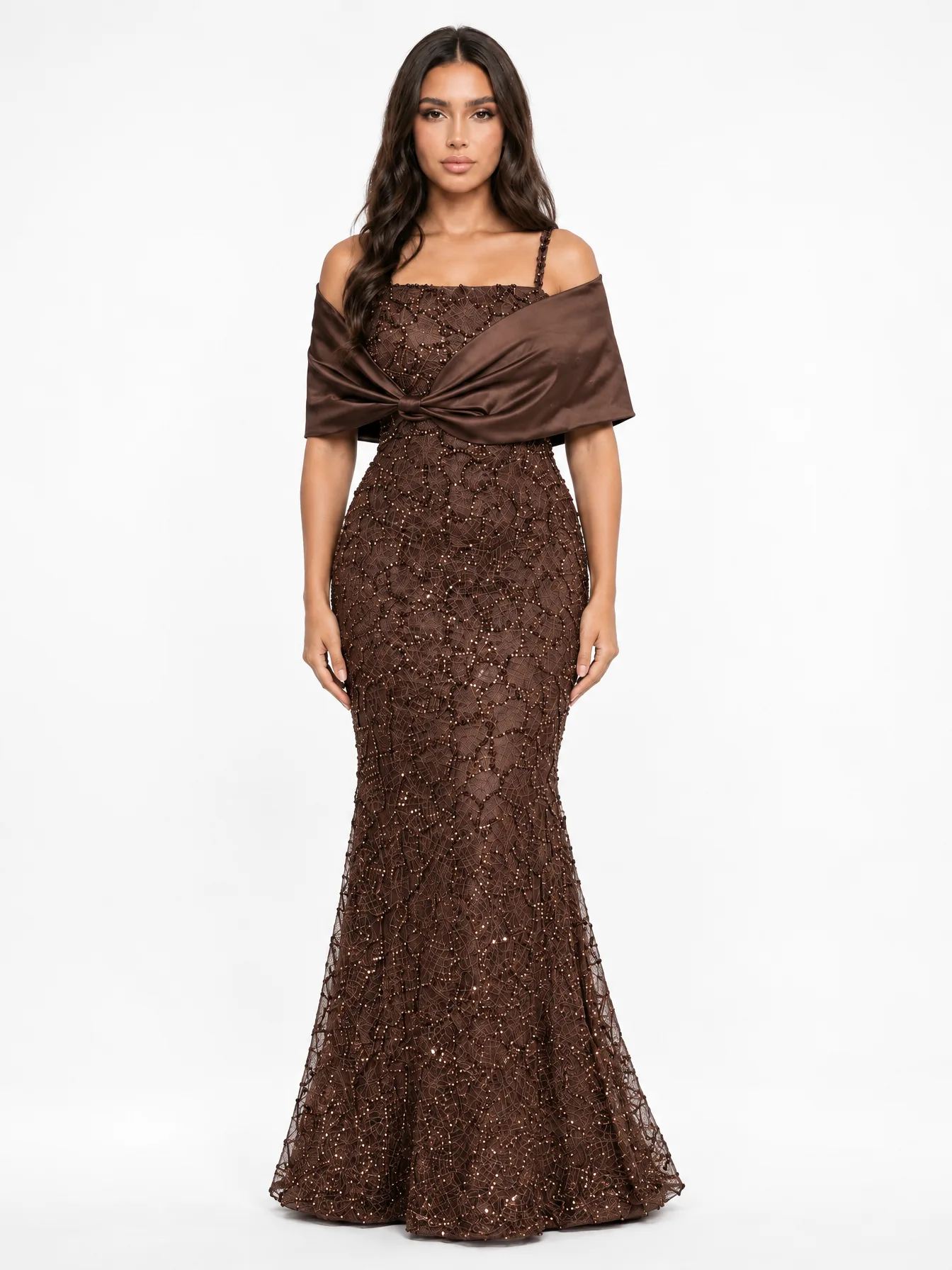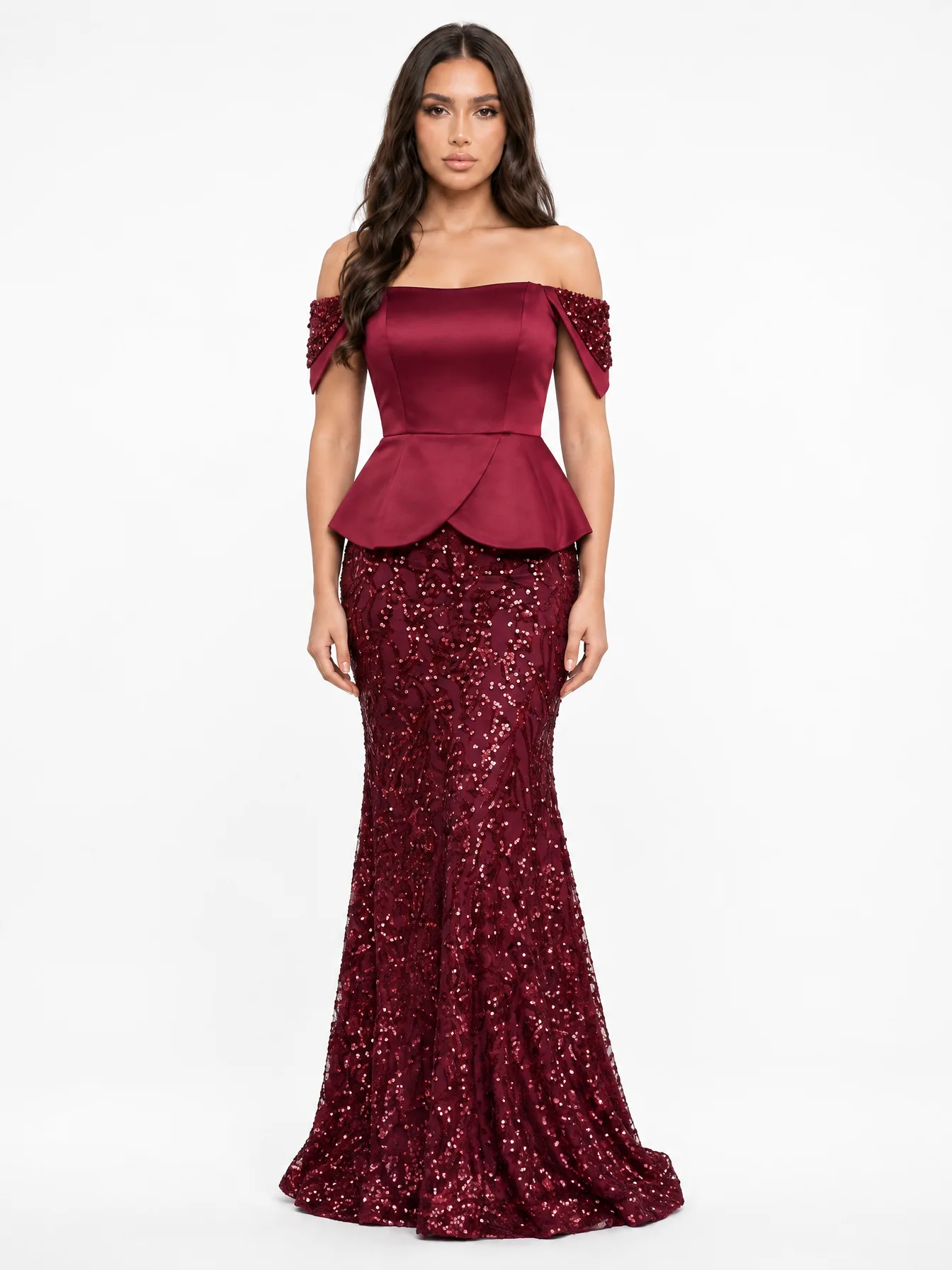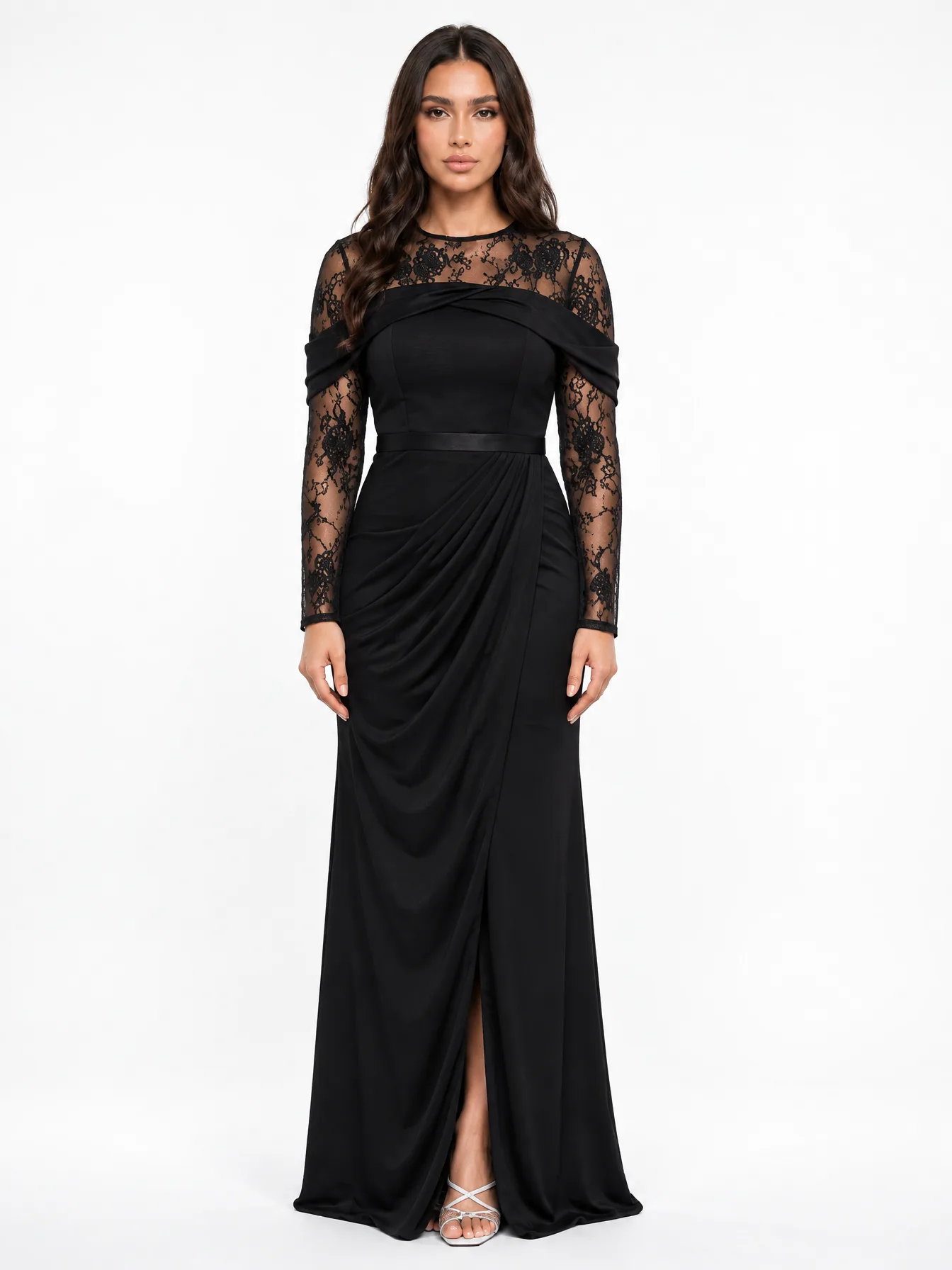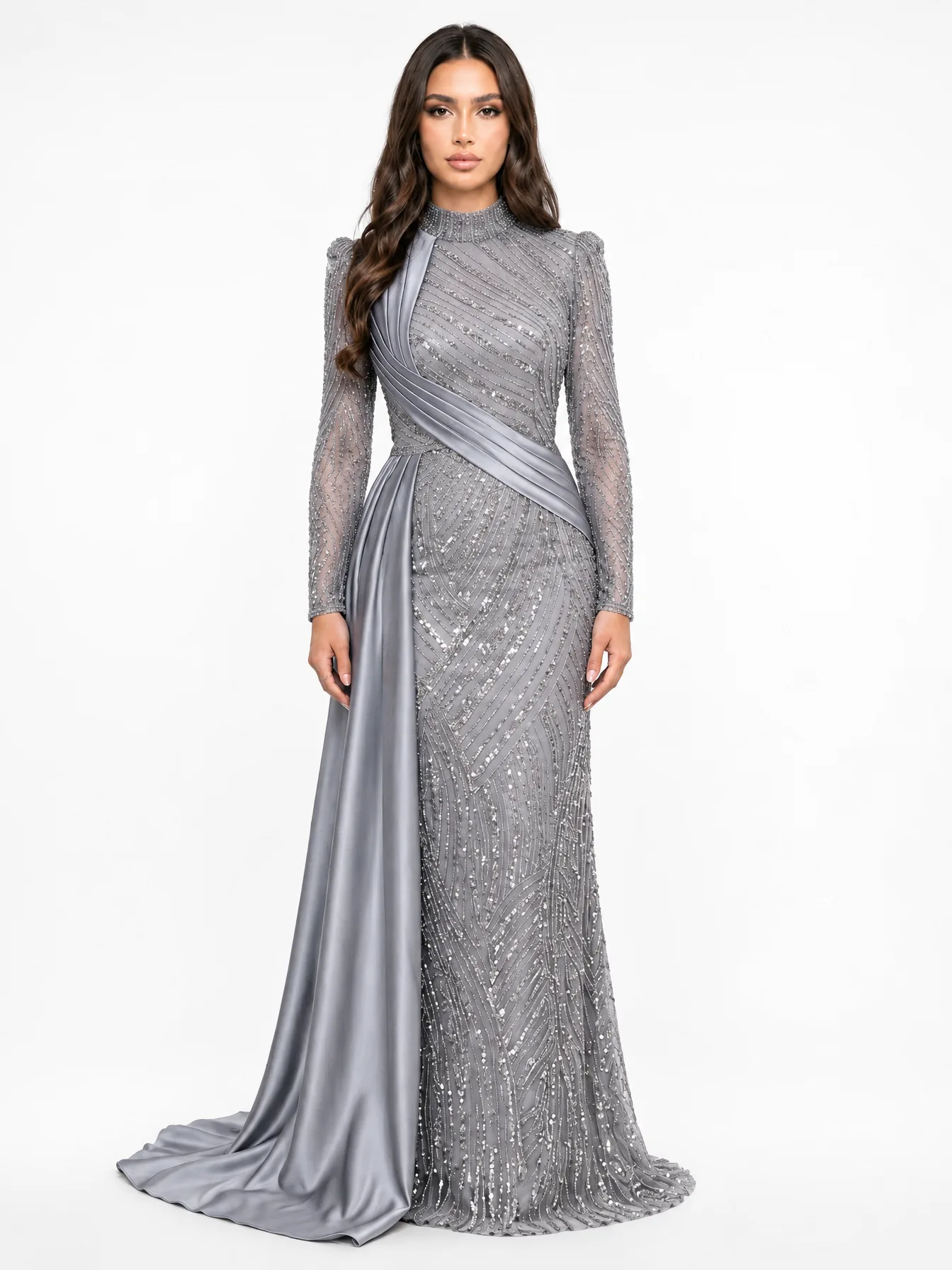
Bridesmaids can wear different dresses, and the idea is no longer unusual: as far back as 2015, The Knot found that nearly half of bridesmaids were not wearing the exact same dress as the rest of the group. The trick is to change only one or two things and keep the rest identical. This guide explains which element to fix, how to brief your bridesmaids, and how to make a mixed group look deliberate rather than accidental.
How common are mismatched bridesmaids?
Matching is still the single most popular choice, but it is no longer the majority everywhere. The Knot's 2015 Bridal Fashion Study, quoted in a 2017 report, found that 51% of bridesmaids wore exactly the same dress, 33% wore the same colour in different styles, 11% wore entirely different dresses and 5% wore the same style in different colours. Ten years later, the Australian wedding platform Easy Weddings' 2025 industry report found 41% of couples choosing a uniform look and 35% a cohesive colour scheme, and described mismatched gowns as a growing trend.
There is no Gulf survey, but the reasons are the same, and often stronger. A bridal party in Dubai or Riyadh can include women with very different preferences on sleeves, necklines and hijab, and one dress rarely suits all of them. Our guide to dressing bridesmaids with different modesty preferences covers that side in detail.
What should stay the same?
Wedding planners give the same rule in different words: change one or two things and keep everything else consistent. The Canadian planning site Event Source calls it a good rule of thumb, and the retailer Lulus advises that as long as every dress shares at least one feature, such as neckline, silhouette, hemline, colour or fabric, the group will not look disjointed.
The elements you can fix, roughly in order of how much harmony each one buys:
- Colour: the strongest tie. One shade, or a tight range of two or three.
- Length: all floor-length for an evening wedding. Lulus points out that midi and knee lengths fall at different heights on different women, while floor-length hems line up.
- Fabric and sheen: all matte crepe, all chiffon, all satin or all sequin. Mixing a shiny satin with a flat crepe in the same colour makes them look like two colours in photographs.
- Formality: A Practical Wedding warns against pairing very different levels of dress, such as a jumpsuit beside a ball gown.
- Silhouette or neckline: the easiest thing to free, because it is where comfort and body shape matter most.
If some bridesmaids wear a hijab, treat the scarf as part of the dress. Either match each scarf to its dress, so the colour runs unbroken from head to hem, or give everyone the same neutral scarf in one fabric, which ties together dresses that differ in cut.
Which mismatched style suits your group?
There are four common approaches, from most controlled to most free.
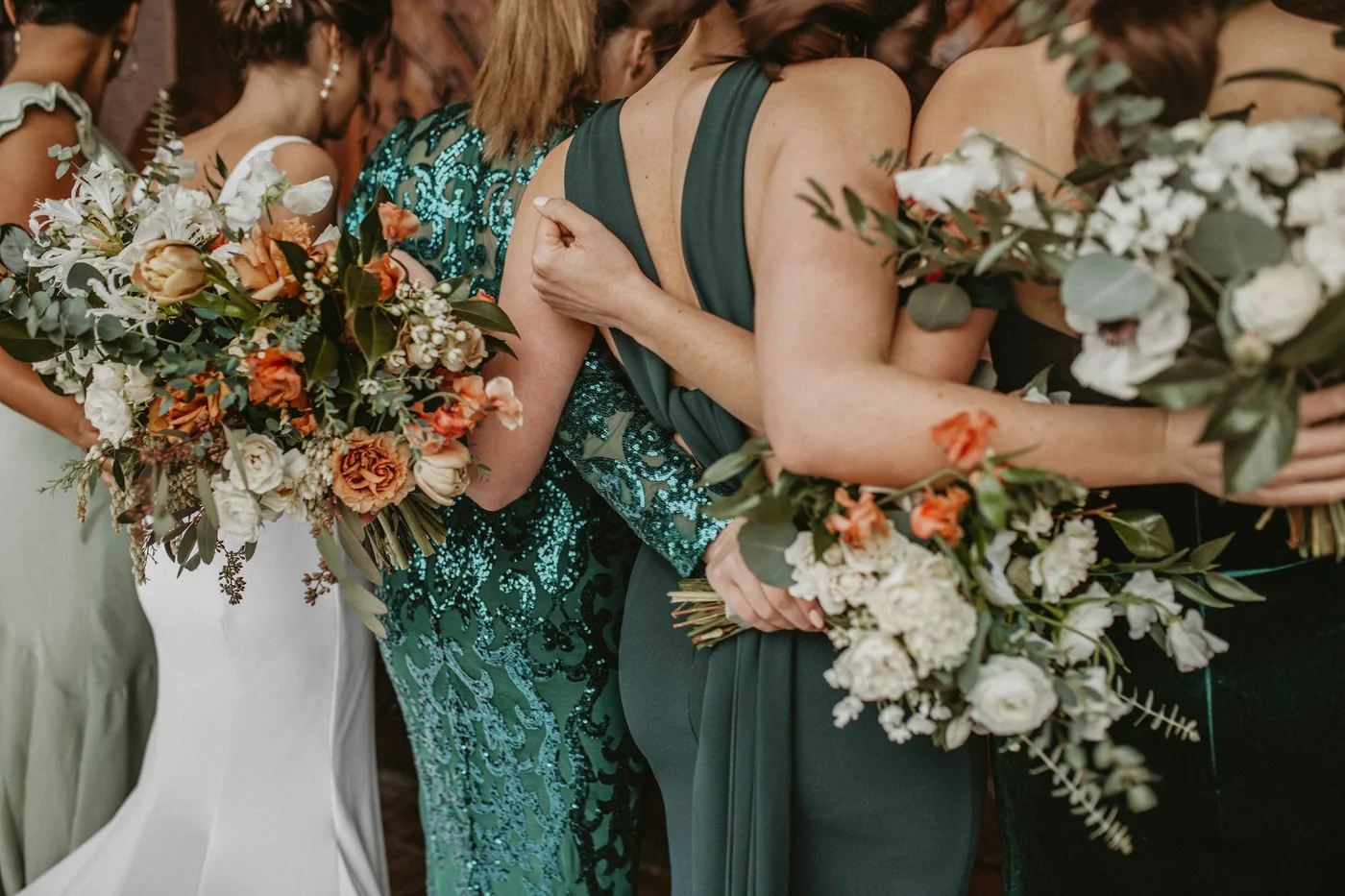
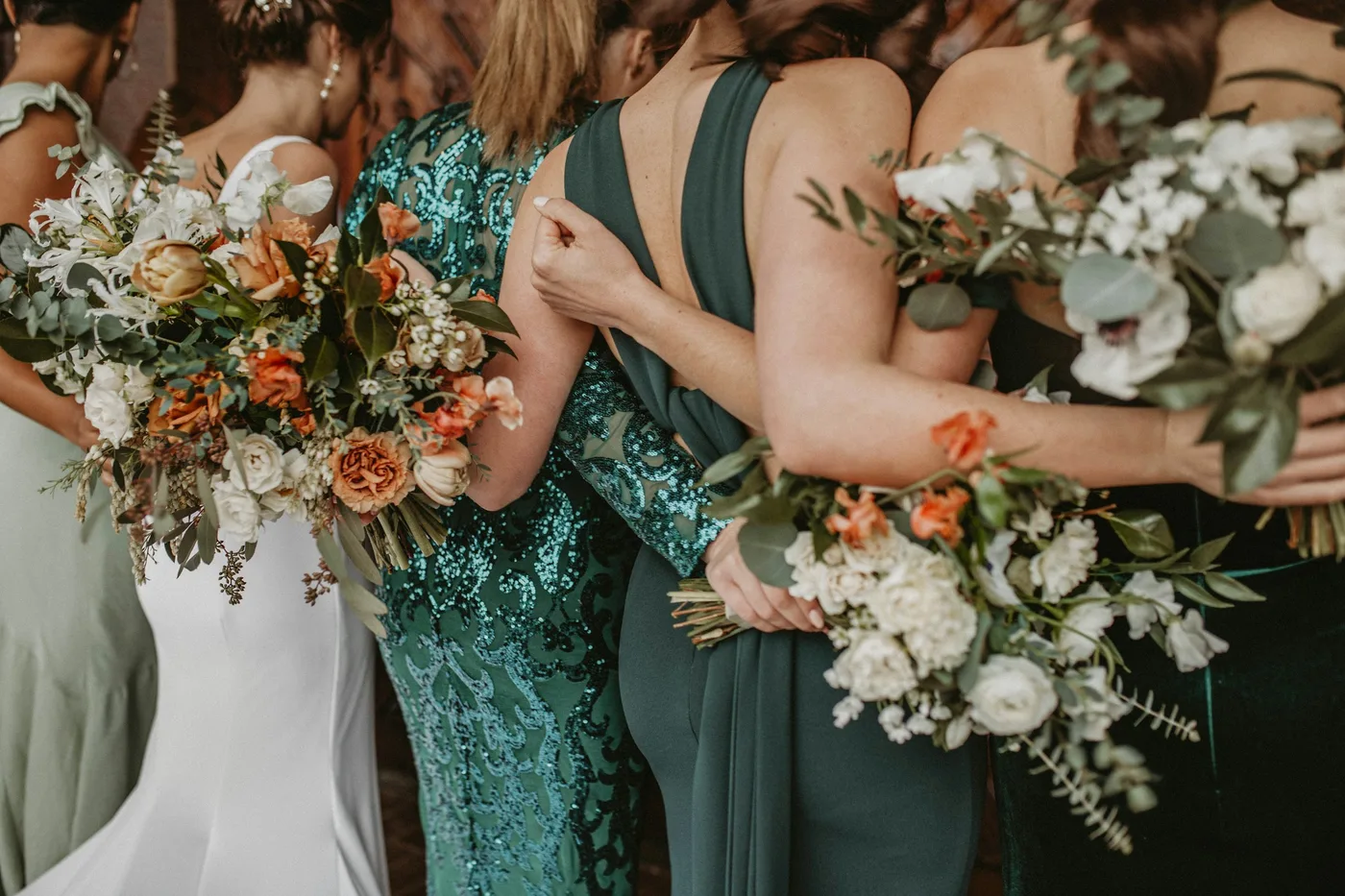
- Same colour, different cuts. The most popular compromise. Each bridesmaid chooses her own neckline, sleeve and silhouette in one shade. It suits groups with different body shapes and modesty preferences.
- Same dress, different shades (ombré). One design in light, medium and dark tones of a colour, a technique David's Bridal has long suggested. Striking in a line, and easy to order in one go.
- Same colour family, different shades and cuts. For example, everything from blush to mocha. A Practical Wedding suggests giving each bridesmaid a shade from a multi-tone paint chip so no two clash or duplicate.
- Different colours, one unifying rule. Jewel tones, or all pastels, tied together by length and fabric. This needs the clearest brief, or it looks like guests rather than a bridal party.
For most Gulf evening weddings, the first two are the safest: they hold together under ballroom lighting and in group photographs.
How do you brief your bridesmaids?
Vague instructions are where mismatched groups go wrong. Shelley Brown of The Knot put it plainly in the 2017 report: rather than saying "buy a blue dress", specify the length, fabric and shade, because offering no guidelines makes the process more stressful for bridesmaids, not less.
A good brief fits in one message:
- The colour, with a photo of a physical swatch, not a screenshot. Screens shift colour.
- The length: floor-length, or a specific hem.
- The fabric family and sheen: for example, "matte chiffon or crepe, no satin".
- What is free: sleeves, neckline and silhouette, within the group's agreed coverage.
- What is off-limits: white, ivory, prints, or anything the bride or families would mind.
- A deadline for each bridesmaid to share her choice before buying.
A Practical Wedding suggests saving everyone's choices in one shared list or board, so the bride can see at a glance whether the group is on track and catch a clash before anything is paid for.
How do you make a mixed group look good in photos?
A few details matter more than the dresses themselves.
- Order the line-up. In an ombré party, go light to dark, or dark at the ends and light beside the bride. With different cuts, alternate fitted and fuller skirts so no two similar shapes stand together.
- Repeat one accessory. Cocomelody's guide suggests identical bouquets, sashes or hair pieces to tie different dresses together.
- Match the metal. All gold or all silver jewellery is an easy, invisible link.
- Keep hair and make-up in one register. Soft and natural, or polished and glamorous, but not both.
- Check under the venue's light. Ballroom lighting is warm and can turn two close shades into obviously different colours. If you can, photograph the dresses together in similar light before the day.
Where Lianora fits
Lianora supplies evening and bridesmaid dresses from established Turkish ateliers, with several designs offered in more than one colour, which makes a same-colour, different-cut party easier to put together. Delivery across the UAE and the GCC takes 10–15 days from the confirmed order, with customs duties and taxes paid by Lianora. Browse the bridesmaid dresses, and if your bridesmaids are choosing different designs in one colour, ask through the frequently asked questions how closely the shades match before you order.
Questions
Do mismatched bridesmaid dresses look tacky?
Not when one or two elements change and the rest stay consistent. Keep the length, fabric and formality the same, and the group reads as a planned look.
Should the maid of honour wear a different dress?
It is a popular way to single her out: the same colour in a more embellished design, or a slightly deeper shade. It also works as the anchor of an ombré line-up.
Can mismatched bridesmaids wear different colours?
Yes, but give a firm rule such as one colour family or all jewel tones, and assign each bridesmaid her shade so none duplicate or clash.
Sources
- Valley News (AP): More brides leaving matchy-matchy bridal parties behind (December 2017), citing The Knot 2015 Bridal Fashion Study
- Easy Weddings: Bridesmaid dress colour schemes (2025 Wedding Industry Report)
- A Practical Wedding: How to do mismatched bridesmaid dresses
- Lulus: How to style mismatched bridesmaid dresses
- Event Source: Mismatched bridesmaid dresses
- Cocomelody: Mismatched bridesmaid dresses — 5 ways to pull it off