In the Gulf you are usually dressing for two climates in one evening: warm, often humid air outside and a cold, air-conditioned hall inside. For outdoor and garden events, choose light, loosely woven fabrics such as chiffon, georgette or soft crepe, ideally with a breathable lining. For ballrooms, heavier satin, velvet and sequins are comfortable, provided you plan for the walk from the car. Here is how each fabric behaves, and what to wear where.
Why is dressing for a Gulf evening so tricky?
Because the temperature swings are large in both directions. As summer began in June 2024, the UAE's National Centre of Meteorology (NCM) expected average highs above 44°C in most coastal and inland areas, Gulf News reported, with humid nights that can bring morning fog. Even in winter, which most people think of as the comfortable season, Khaleej Times, citing the NCM, puts typical daytime temperatures at 24–27°C, nights at 14–16°C and relative humidity at roughly 55–64%.
Indoors is a different world. Dubai's utility, DEWA, has long recommended setting air conditioning to 24°C, but you will not control the thermostat in a hotel ballroom, and a seat under a vent can feel far colder. So the right fabric depends on where you will spend most of the night, and the safest choice is one that copes with both.
Which fabrics breathe best in heat and humidity?
Two things decide how cool a dress feels: the fibre and the weave. On fibre, a University of Kentucky Cooperative Extension guide to dressing for heat explains that absorbent fibres such as cotton and linen pull moisture from the skin and help you cool, while most manufactured fibres absorb little and can leave you feeling clammy. Rayon, which includes viscose, is the exception: it is manufactured but very absorbent. The same guide favours light, loosely woven fabrics that let air move.
That is why the name of a fabric is not enough. Chiffon, for example, describes a light, sheer weave, and it can be made from silk, cotton or synthetics such as polyester and nylon. A loose polyester chiffon still lets air through, but a silk or viscose version will feel kinder against damp skin. Read the composition label, not just the fabric name.
How do the common evening dress fabrics compare?
A quick guide to how each fabric feels on a Gulf evening:
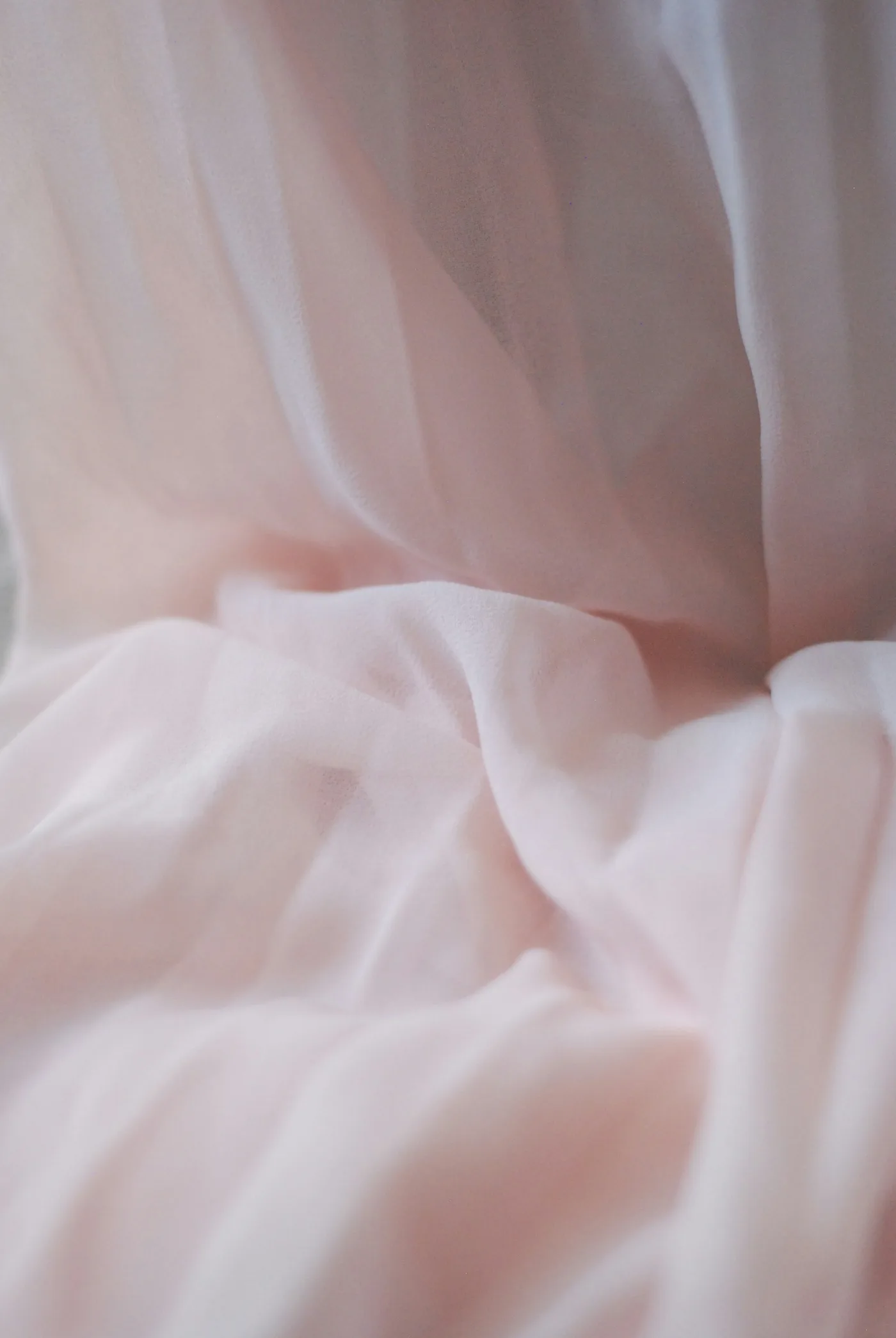
- Chiffon and georgette: light, sheer and airy, the best choice for heat. They move in a breeze and layer for opacity without much weight, but snag easily on jewellery.
- Crepe: matte with a slight grain, it drapes well and resists creasing. A light crepe works year-round; a heavy one is warmer.
- Satin: smooth and lustrous. It holds structure beautifully, but a dense satin traps heat and shows creases and damp marks, so it suits air-conditioned rooms best.
- Tulle: a fine net. On its own it breathes, but ball-gown skirts use many layers over a lining, which adds warmth and weight.
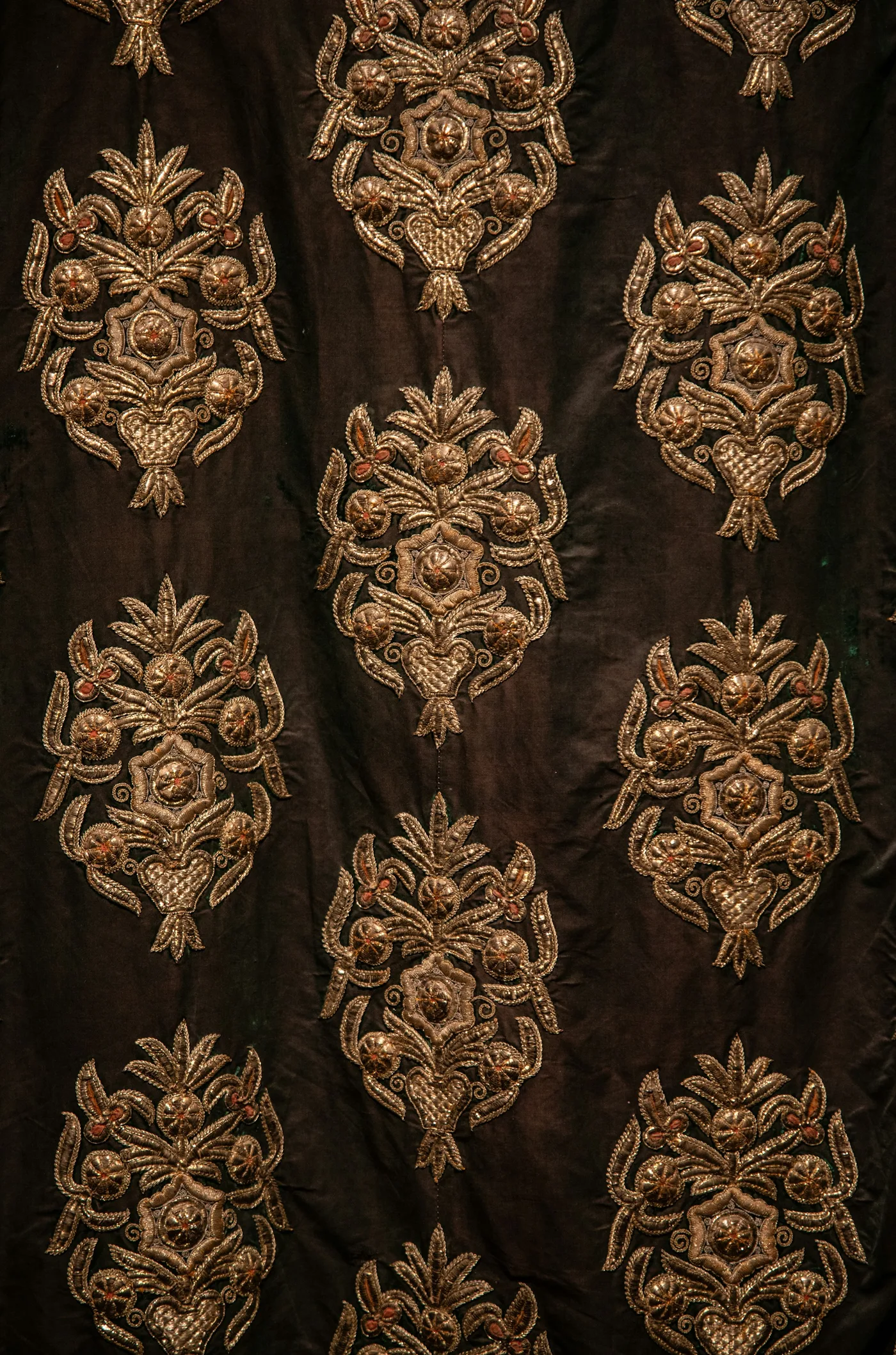
- Velvet: a dense pile that is genuinely warm. Keep it for indoor winter events.
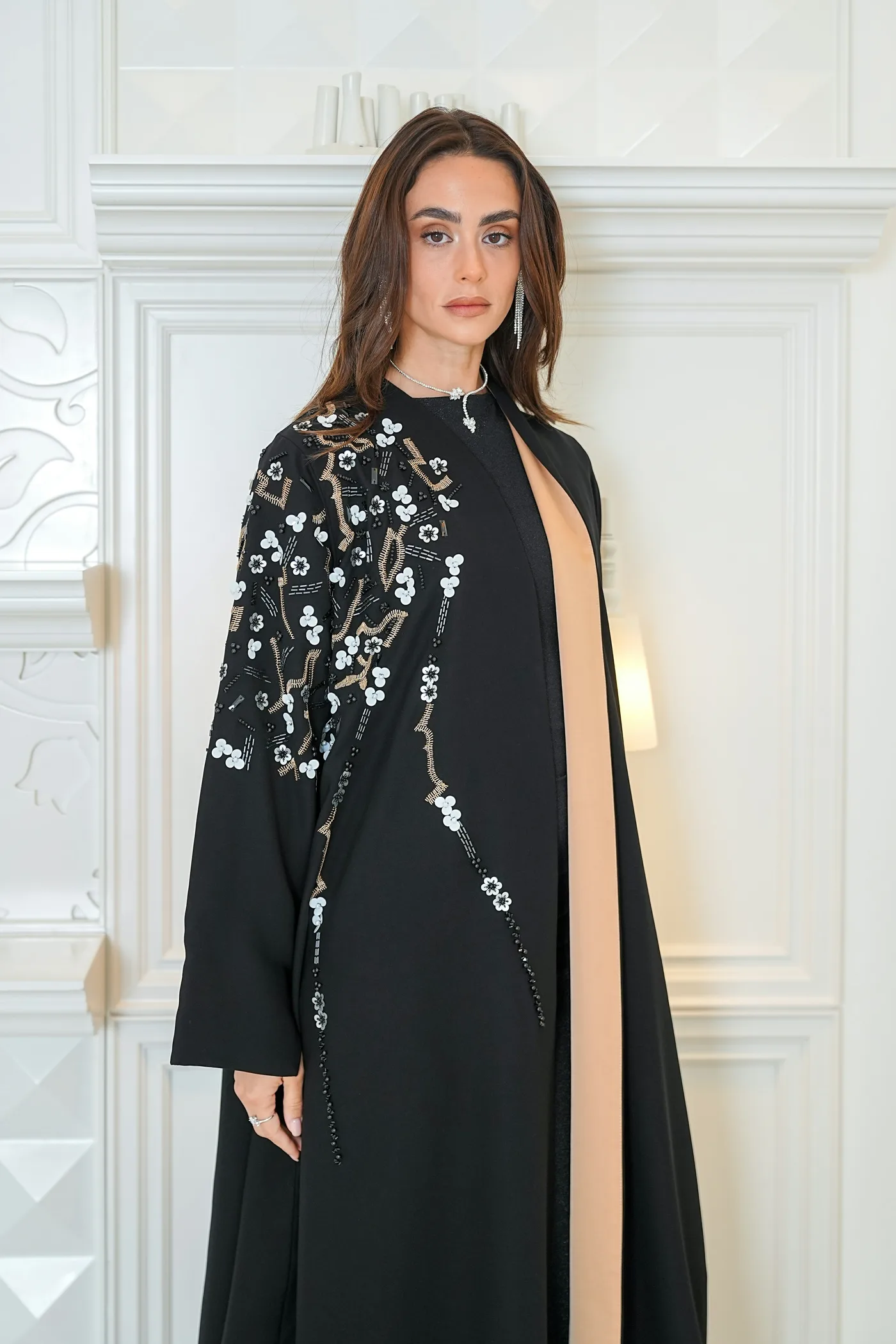
- Sequins and heavy beading: dramatic and crease-resistant, but stitched onto a base fabric that does not breathe much. Comfortable in a cool hall, hard work outdoors in summer.
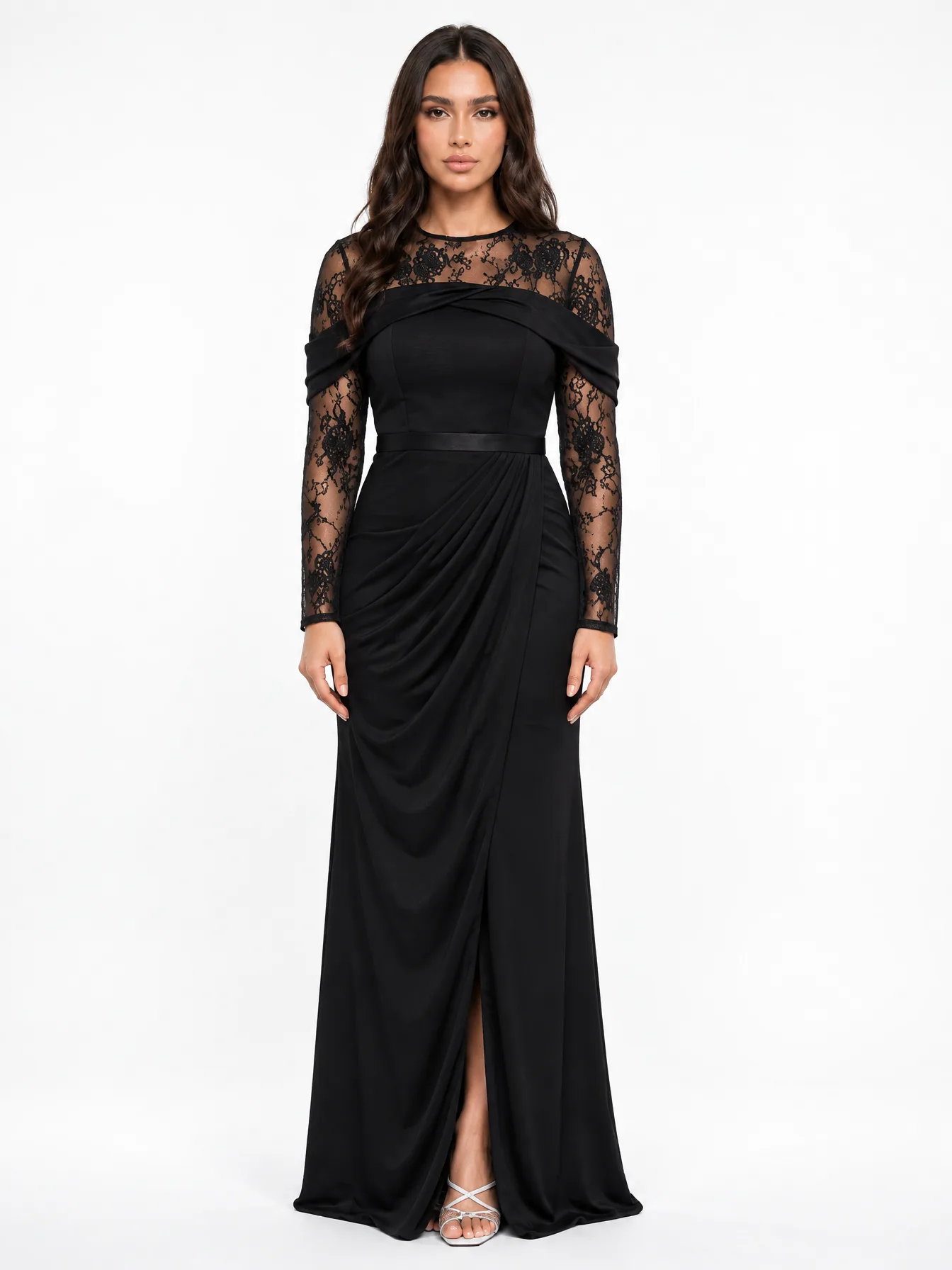
- Lace: as cool as its lining. Open lace over a light lining is airy; lace bonded to a heavy base is not.
Why does the lining matter so much?
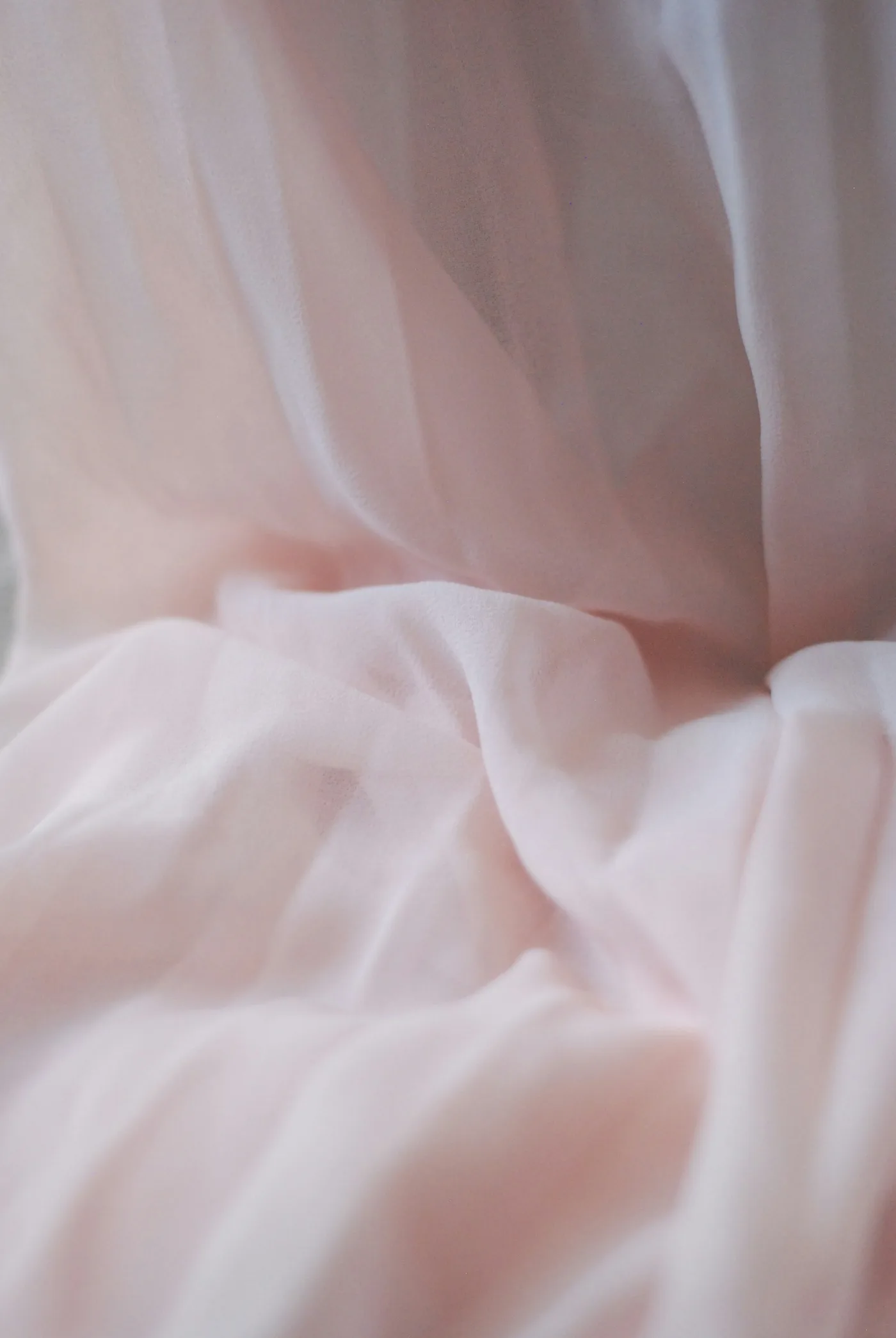
Because the lining, not the outer fabric, is what touches your skin. A silk chiffon gown with a heavy polyester lining can feel warmer than you expect, while a polyester outer with a viscose lining can feel surprisingly comfortable. When a description lists the composition, check the lining separately; if it does not, ask before you order, for example through the frequently asked questions.
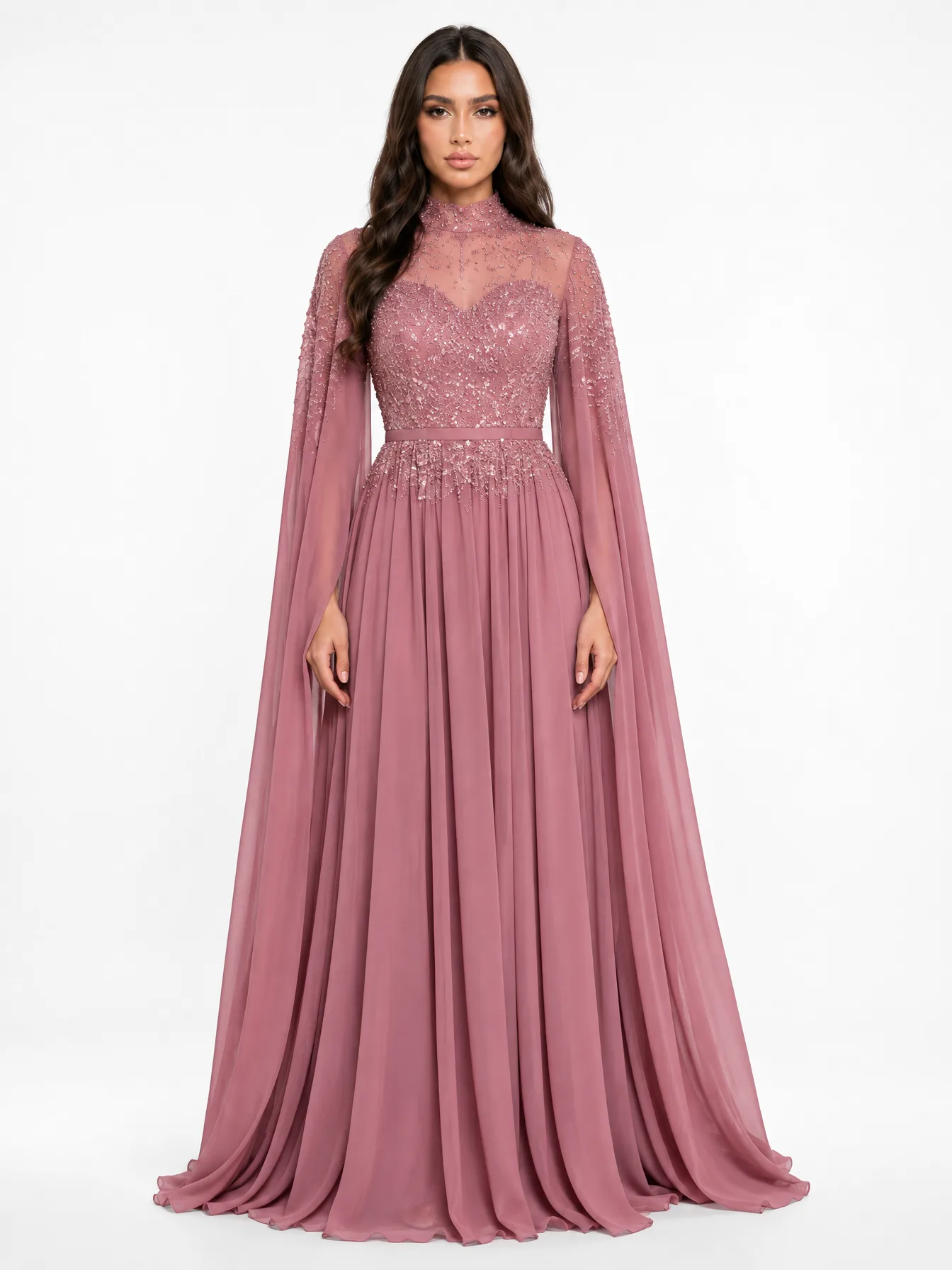
Lining also does practical work. Sheer sleeves and yokes are usually left unlined so air can pass, which is why cape and illusion sleeves are a comfortable way to cover the arms in warm weather. Heavily beaded pieces need a sturdy lining to carry the weight, so expect them to be warmer.
What should you wear to an outdoor, garden or beach wedding?
Think light, loose and practical. Even the NHS's hot-weather advice comes down to light clothes and shade, and the same logic applies to an evening gown.
- Fabric: chiffon or georgette in layers, or a soft crepe, with a breathable lining. The beaded chiffon cape gown is an example of a full chiffon skirt with sheer cape sleeves that cover without trapping heat.
- Colour: lighter colours reflect the sun's heat while dark ones absorb it, according to the Kentucky extension guide, which matters at a daytime or sunset ceremony.
- Hem: a long train will drag through sand and grass. Choose a hem that clears the ground, or one you can bustle.
- Shoes: block heels or wedges on lawns and sand; stilettos sink.
- After dark: winter nights can drop to the mid-teens, so take a wrap or pashmina in a fabric that matches the dress.
At a beach venue, humidity rises near the water, so avoid satin that shows damp marks and fabrics that cling when they are humid.
What should you wear to a ballroom wedding?
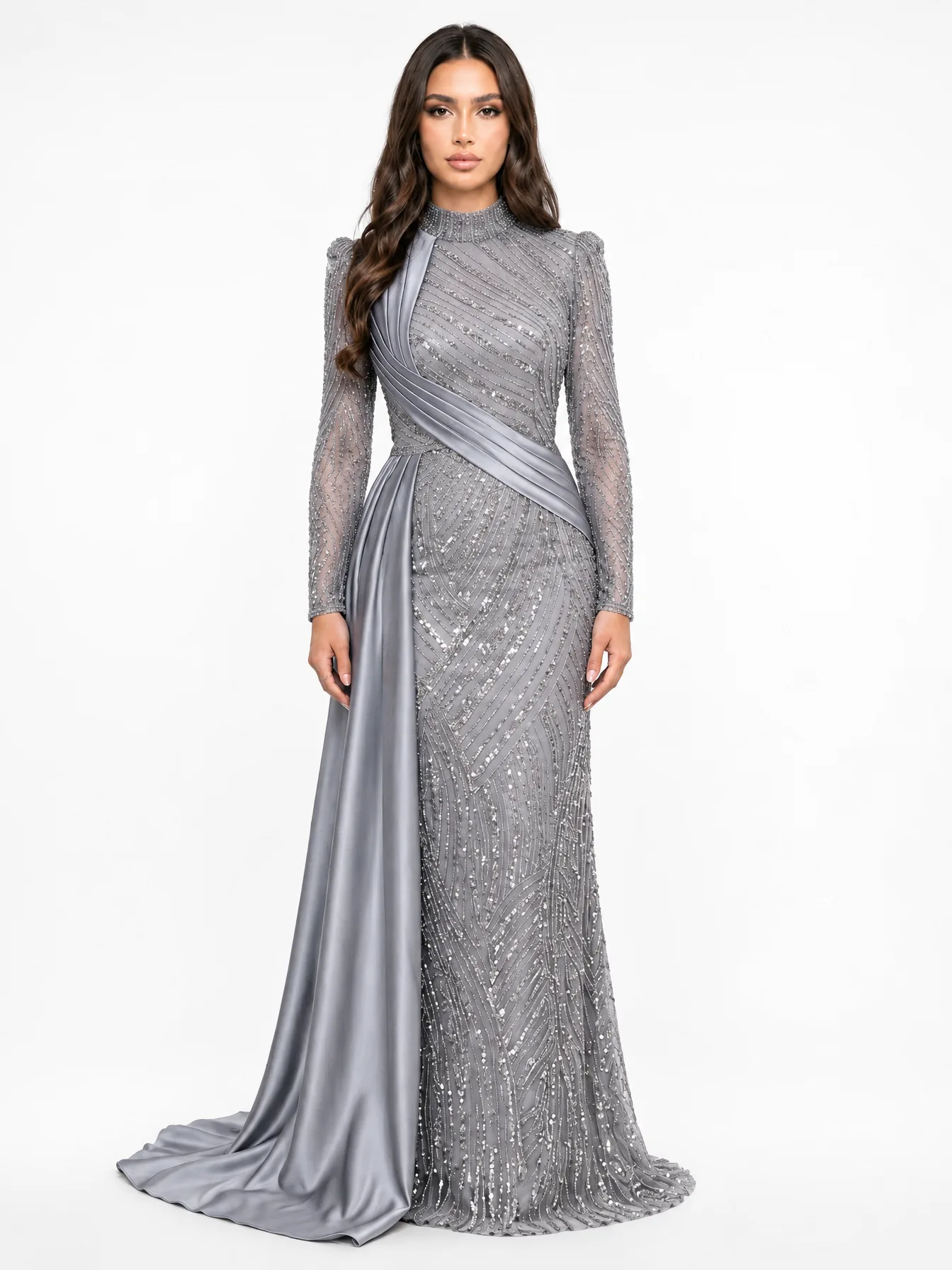
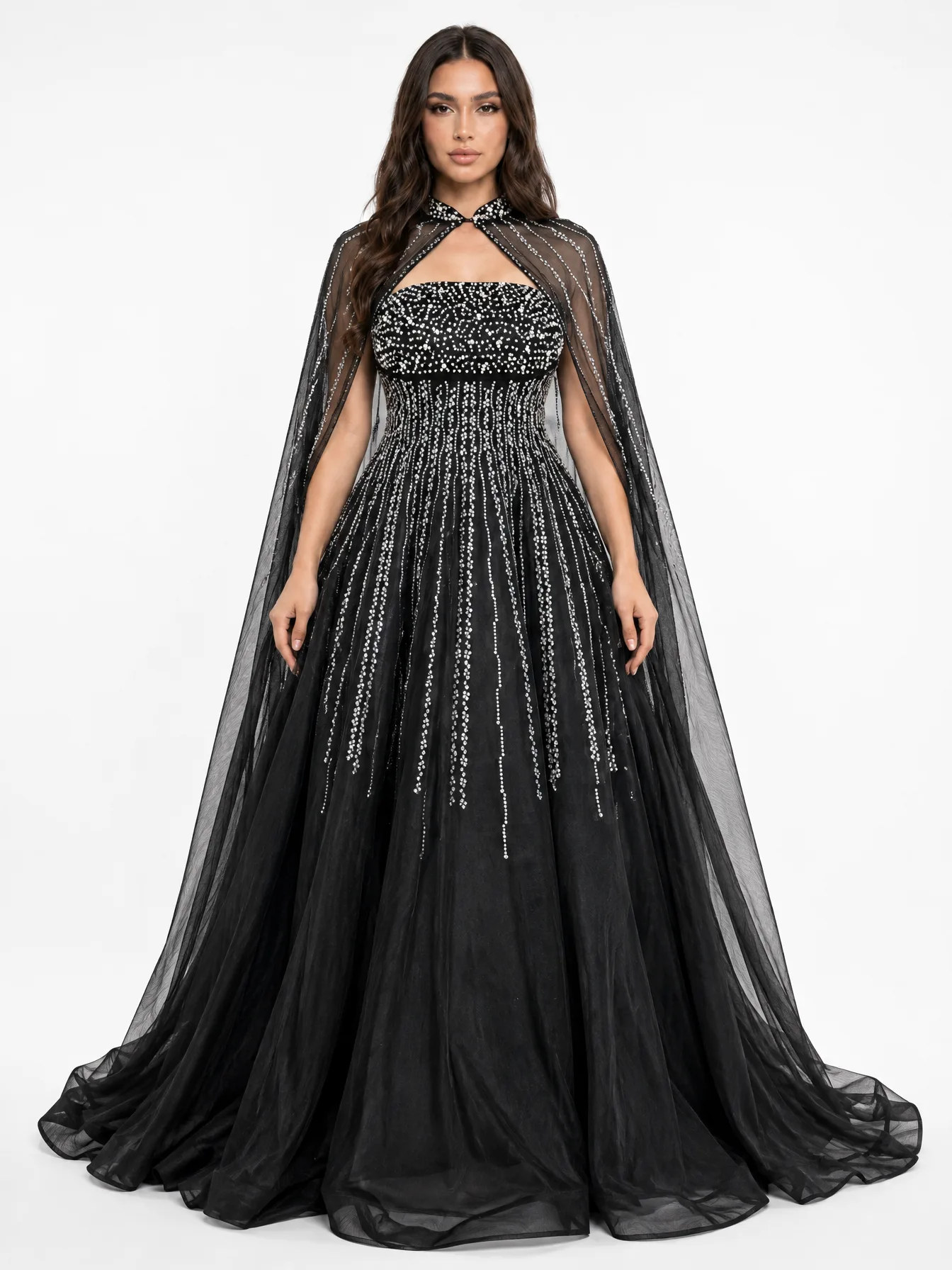
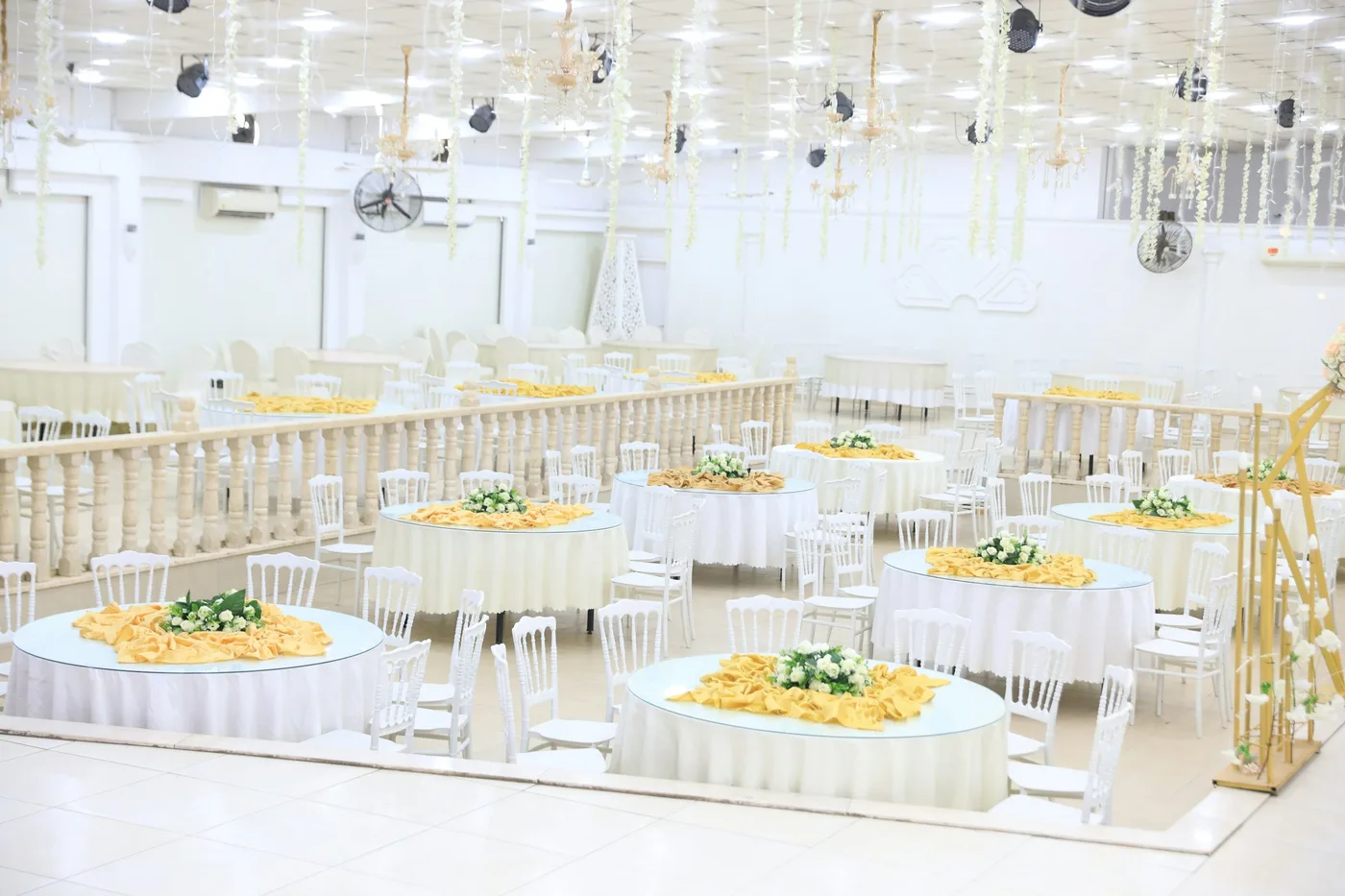
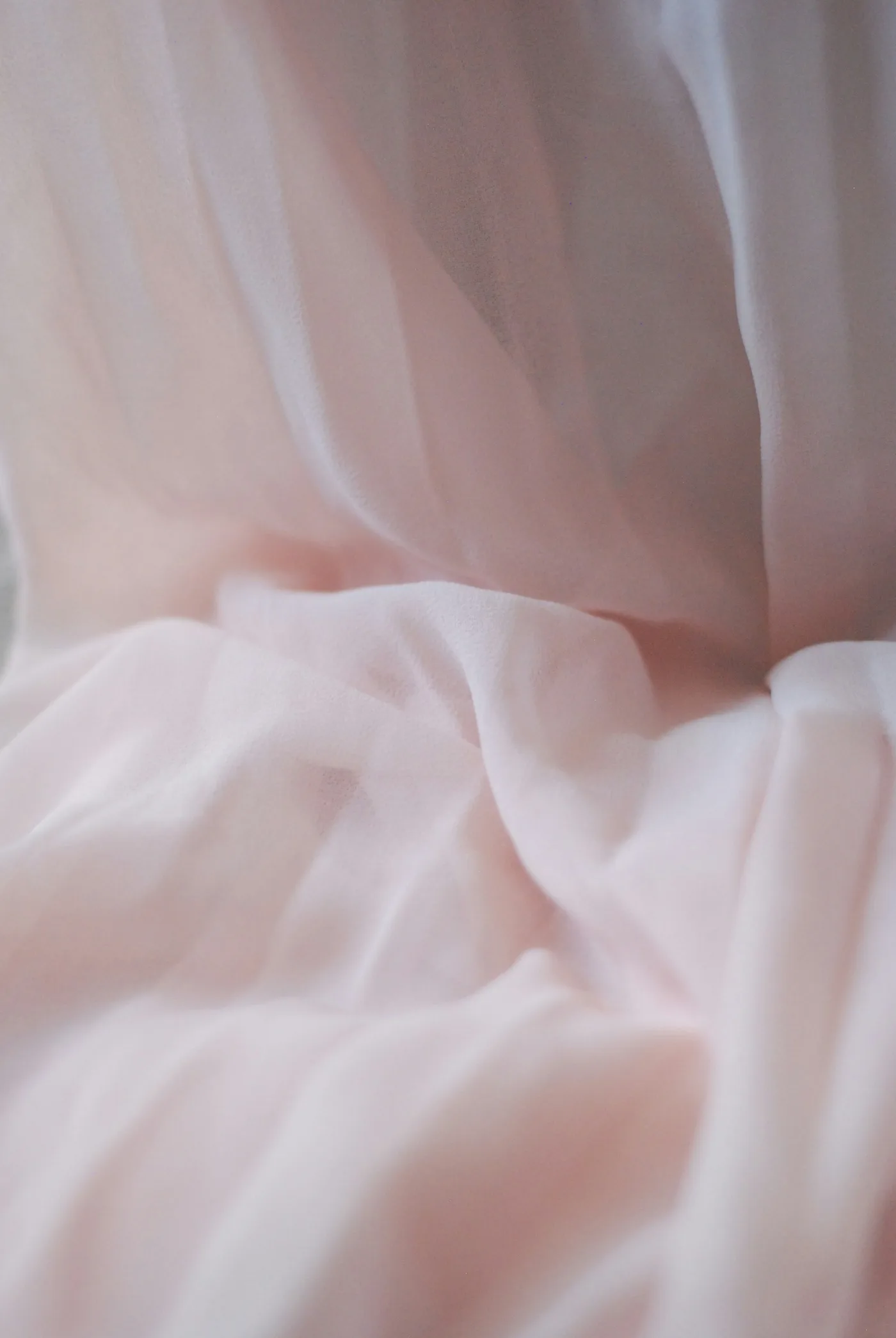
This is where heavier fabrics come into their own. Inside a cool hall, satin, velvet, dense sequins and heavy beading are comfortable for hours, and long sleeves are a bonus rather than a burden. A piece such as the hand-beaded draped sash gown, with long beaded sleeves and a high neck, or the pearl-beaded ball gown with its cape, which gives you a layer to add or remove, is built for this setting.
Two things to plan for. First, the journey: a summer car park or a valet queue can be fierce, so keep a structured gown off your skin until you are inside, and avoid sitting in a hot car for long in satin, which creases. Second, the vent: if you know you feel the cold, a cape, a matching stole or sheer sleeves keep your shoulders comfortable without hiding the dress.
How do you stop an evening dress creasing or wilting in humidity?
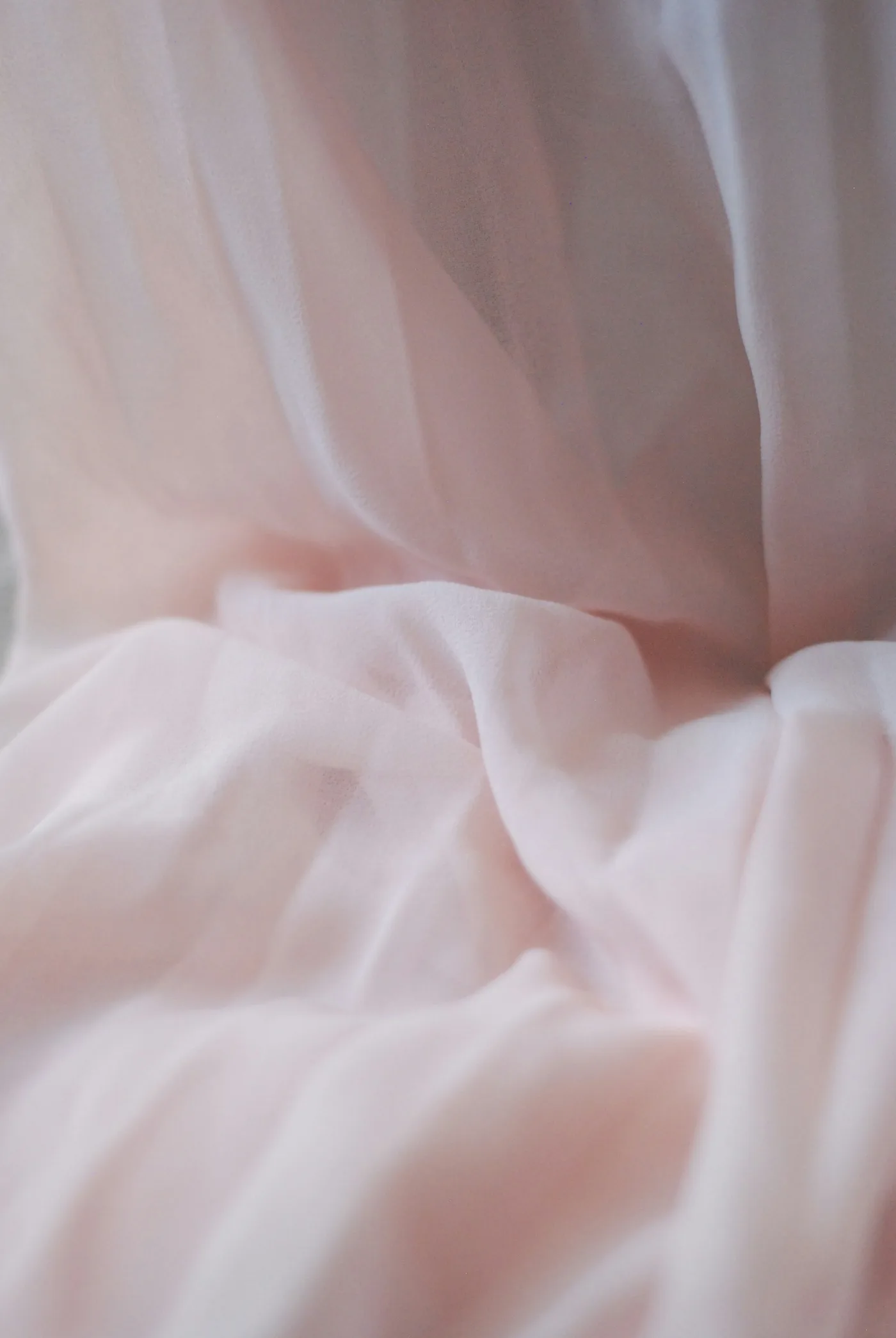
Choose fabrics that forgive. Crepe, sequins and beading barely crease; satin and fine silk show every fold. Chiffon recovers well if it hangs freely, but crushes if it is packed tightly.
- Steam, never iron, delicate fabrics, and test on an inside seam first.
- Hang the dress in a cool, air-conditioned room, not a bathroom, until you leave.
- If the venue is humid, avoid stiff, heavily starched finishes, which can soften and lose shape.
- Travelling by car, lay the skirt across the back seat rather than sitting on it.
Questions
What is the coolest fabric for an evening dress?
Silk or viscose chiffon and georgette are the coolest common choices, because they are light, loosely woven and absorbent. A breathable lining matters just as much as the outer fabric.
Is a sequinned dress too hot for Dubai?
Indoors, no: sequins are comfortable in an air-conditioned hall and they hardly crease. Outdoors in the hotter months they can feel heavy and warm, because the sequins are stitched onto a base that breathes little, so save them for indoor or winter evenings.
Can you wear velvet in the Gulf?
Yes, at indoor events in the cooler months, when an air-conditioned venue can feel properly cold. Avoid it for outdoor events and in summer, when its dense pile traps heat.
How do I stay warm in a freezing ballroom without a coat?
Choose a dress with sleeves or a cape, or carry a stole or pashmina that matches it. Asking for a seat away from the air-conditioning vents also makes a real difference.
Sources
- Gulf News: Highest temperature recorded at 49.9°C as summer begins in the UAE (June 2024)
- Khaleej Times: UAE winter, what residents can expect (December 2025)
- Gulf News: DEWA advises setting air conditioning to 24°C
- University of Kentucky Cooperative Extension: Dress to keep cool
- Wikipedia: Chiffon (fabric)
- NHS: Heatwave, how to cope in hot weather