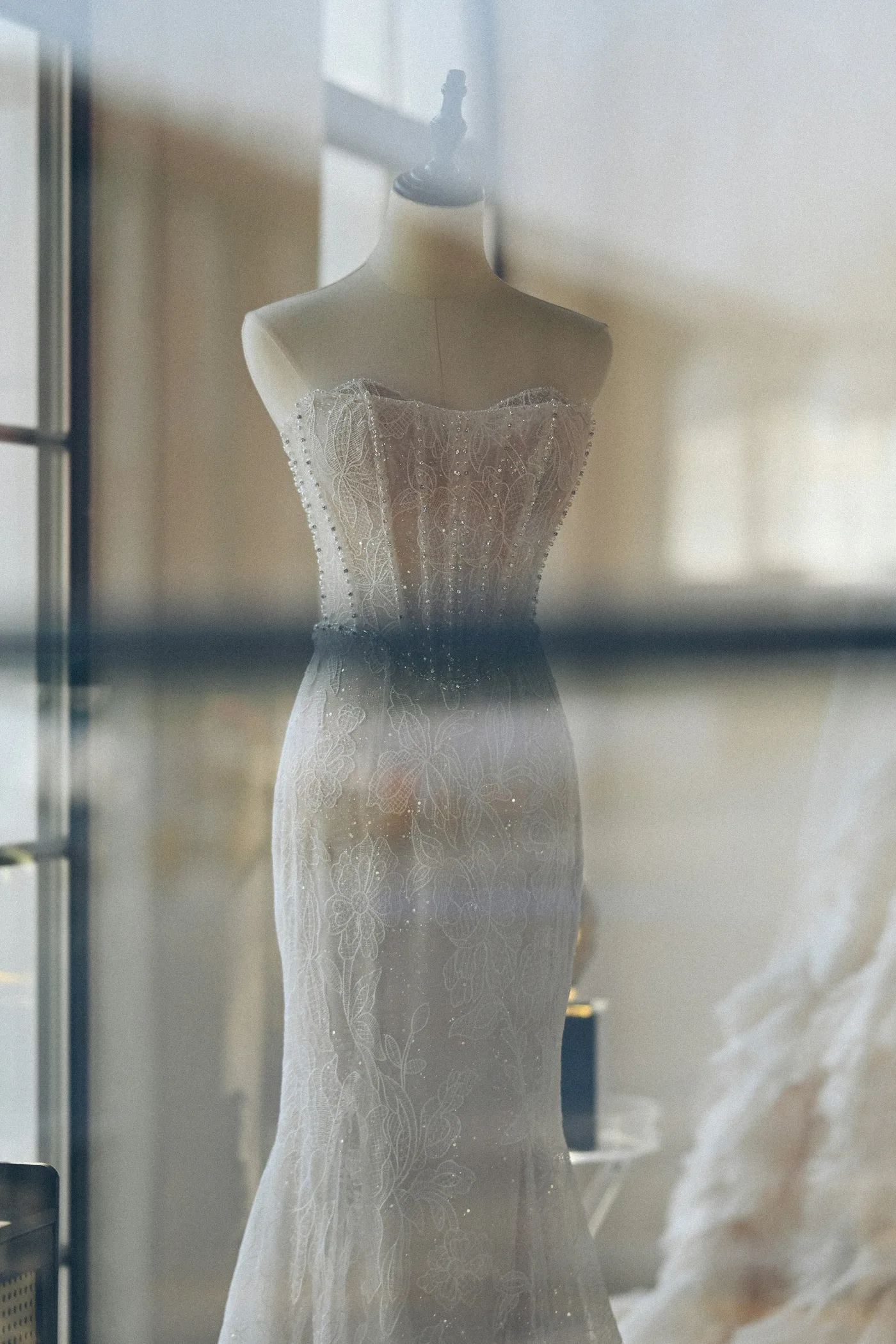
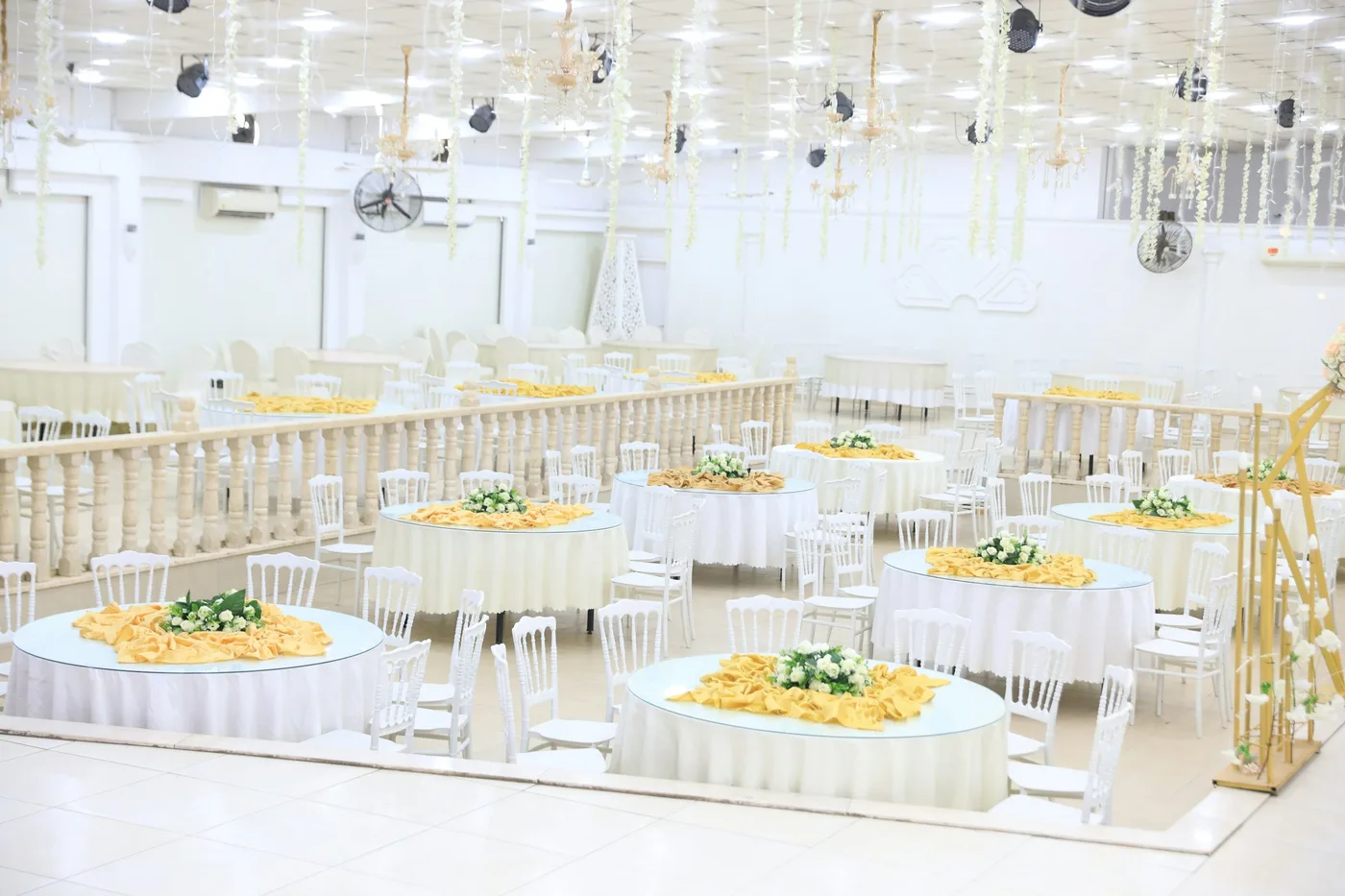
Living in the UAE, you may be invited to three very different kinds of wedding in a single season. A Khaleeji wedding is usually segregated, so women dress at their most glamorous inside a women-only hall, arrive covered and keep their phones away. A Levantine wedding is usually mixed and built around music and dancing, from the zaffe procession to the dabke line, so you dress for a mixed room and for moving. A Western wedding follows the dress code printed on the invitation, and the ceremony starts on time. Here is what changes for you as a guest at each.
What is the main difference between these weddings?
The single biggest difference is who is in the room. That decides how much you cover, what you do with your phone and how you behave on the dance floor.
- Khaleeji (Emirati, Saudi, Kuwaiti, Qatari, Bahraini, Omani): usually segregated, with separate celebrations for men and women. Gulf News describes Emirati guest lists of 500 to 1,000 people split between two halls.
- Levantine (Lebanese, Syrian, Palestinian, Jordanian): usually mixed, with families, couples and friends together. Music and group dancing are central.
- Western: mixed, often in a hotel, garden or on a beach, with a ceremony followed by a seated dinner and dancing.
Every family is different. A conservative Levantine family may hold a women-only party, and some Gulf families now hold smaller mixed dinners. When in doubt, ask whoever invited you.
What changes for a guest at a Khaleeji wedding?
Because the women's hall is women only, it is the most glamorous of the three. Guests arrive in an abaya and shayla, or another long cover, and take them off inside to reveal full evening gowns and serious jewellery.
- Dress: floor-length, embellished, jewel-toned. Under-dressing is the common mistake.
- Covering: keep your shayla near. The National describes how a change in the music signals the groom's brief entrance, and women cover their hair and shoulders.
- Photos: The National reports that photography is typically not allowed at the women's celebration. Keep your phone in your bag.
- Timing: the bride's celebration typically lasts three to four hours, according to The National.
Our full guide to what to wear to an Emirati wedding goes through each stage of the night.
What should you expect at a Levantine wedding?
Expect noise, music and a lot of dancing. Most Levantine weddings open with a zaffe, a procession that brings the couple in. Describing Jordanian traditions, Arab News says the zaffeh lasts around 30 minutes, with drums, horns and bagpipes, and sometimes men carrying swords. Women's ululation, the zaghrouta, rises over it.
Then comes the dabke, the line dance shared across Lebanon, Syria, Palestine and Jordan. Arab News notes that professional dancers often perform first and guests then join in. Gulf News, profiling dabke troupes in Dubai, describes men and women linking hands in a line behind a leader who sets the steps.
What that means for your outfit:
- Movement: you will be pulled into the dabke line. Choose a skirt you can step and stamp in, and avoid a long train.
- Shoes: block heels or a lower heel. Dabke involves stamping, and some guests bring flats for later.
- Coverage: the room is mixed, so think about your neckline, back and slit as you would for any mixed evening event. Styles vary widely by family.
- Length: floor-length is the norm for the evening reception; an elegant midi can work for a daytime or garden party.
What do guests wear to a Western wedding in the UAE?
Read the invitation. Western weddings usually name a dress code, and following it is the main courtesy. A Gulf News round-up of advice from UAE wedding planners and guests puts following the dress code near the top of its list, along with replying to the invitation, arriving 10 to 15 minutes before the ceremony and silencing your phone during the vows.
- Black tie: a floor-length evening gown.
- Formal or black tie optional: a long gown or a dressy midi.
- Cocktail: knee-length to midi. A Dubai stylist quoted by Khaleej Times warns that a short bodycon dress can feel too clubby for a wedding.
- Beach or garden: a flowing long dress and shoes that will not sink into sand or grass.
If the ceremony is outdoors, the evening may well move into air-conditioned rooms later, so a light wrap is useful. If you need help decoding the wording, our guide to Dubai dress codes explains each one.
Which colours should you avoid at each kind of wedding?
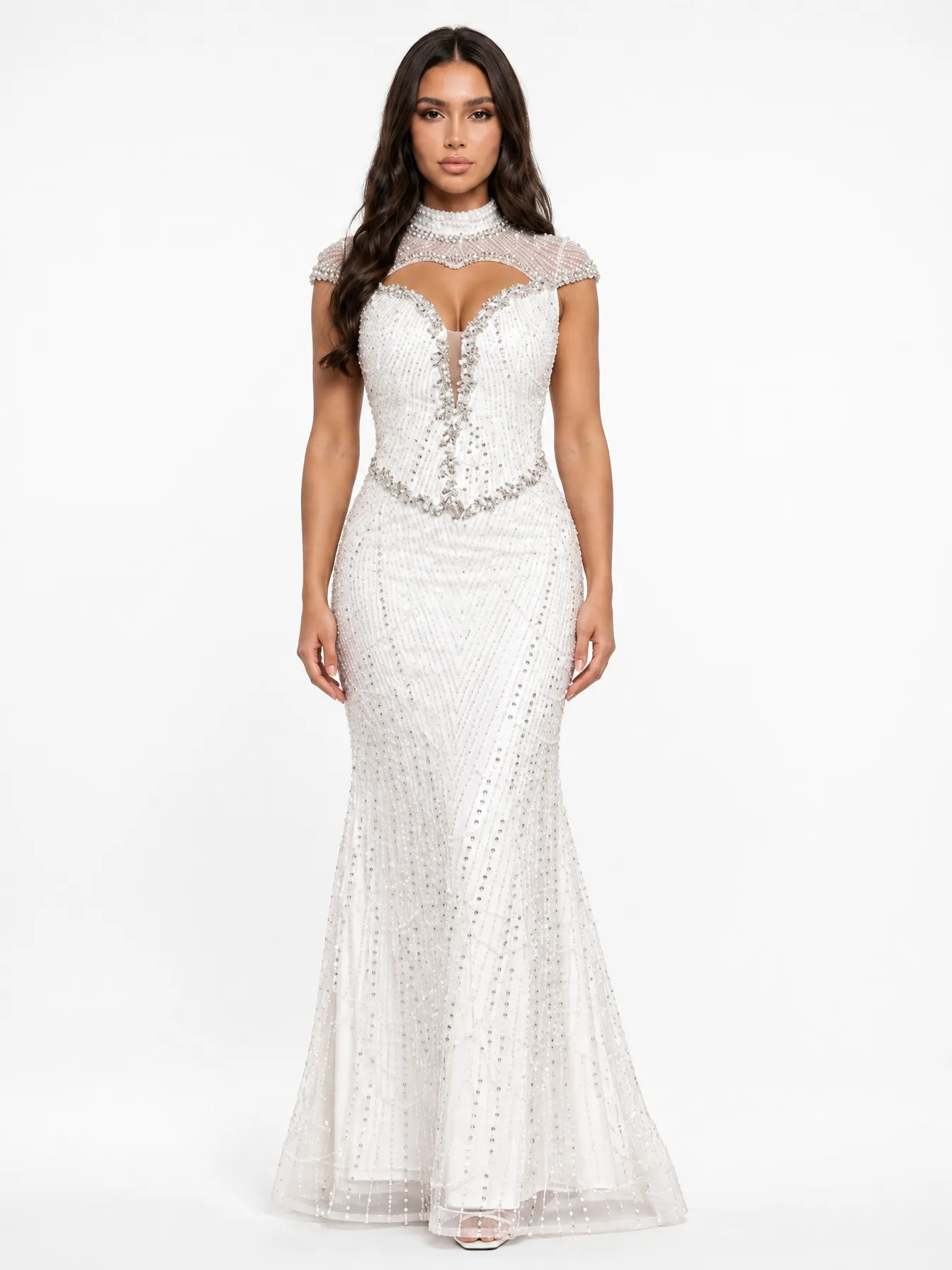
White is the one rule shared by all three. The National describes the bride's gown in the UAE as long and white, and the Khaleej Times stylist adds ivory and cream to the list for Western weddings too, warning that pale butter yellow can photograph as cream.
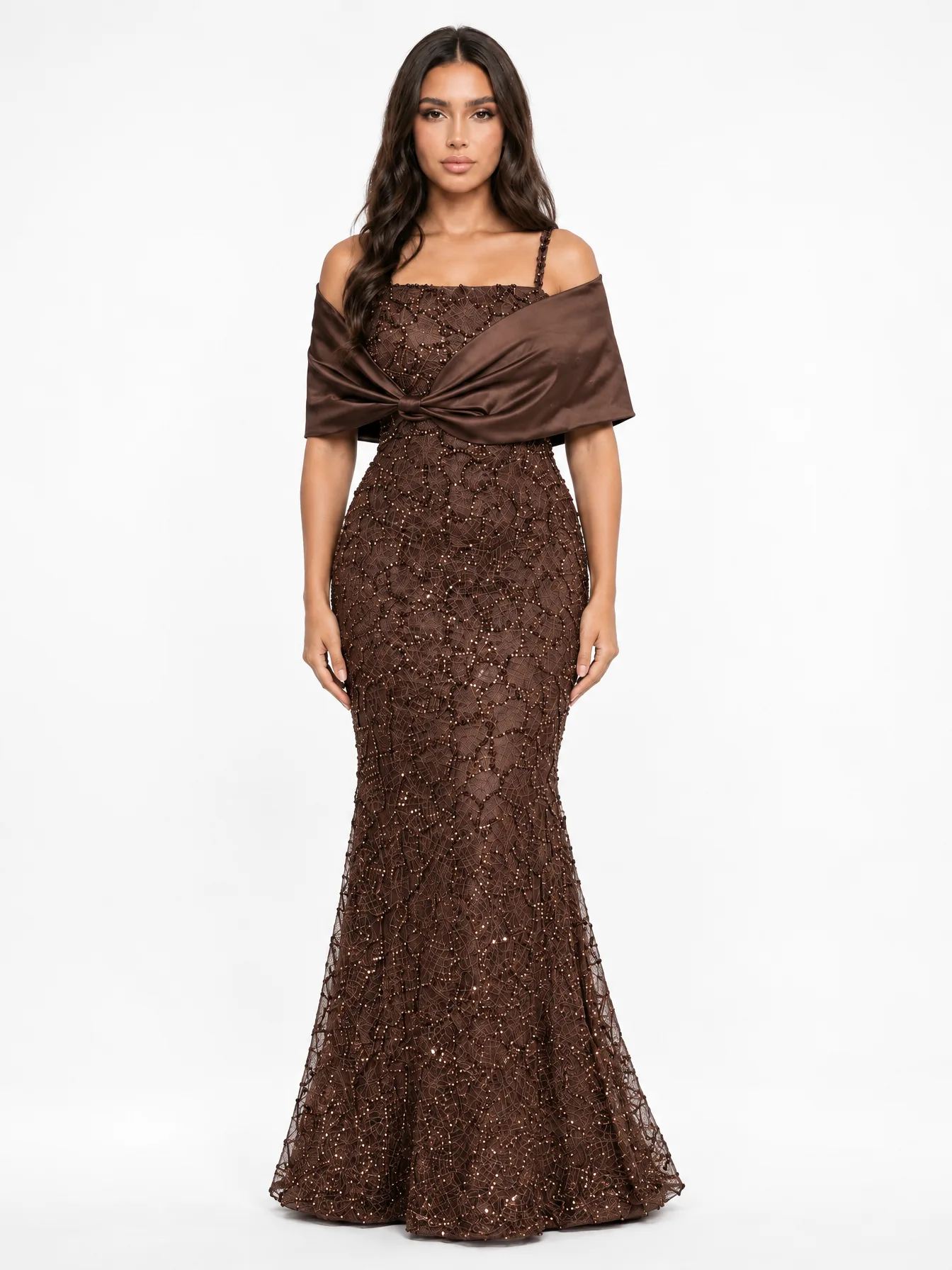
- Khaleeji: rich jewel tones, metallics and heavy embellishment all fit the room.
- Levantine: anything festive. Colour-coordinated families sometimes ask guests to avoid a particular shade, so check the invitation.
- Western: follow any colour theme on the invitation and avoid upstaging the bridesmaids.
The Khaleej Times piece also makes a useful general point: Gulf guests tend to dress to make a statement, while European weddings lean understated. Adjust your sparkle to the room; the evening dresses section shows the range from understated to fully embellished.
Can you take photos at each kind of wedding?
This is where the three differ most, and where a mistake causes the most offence.
- Khaleeji: assume no. Women are uncovered in the women's hall, and The National reports that photography there is typically not allowed. Even close friends who take pictures do so on the understanding that they are never shared.
- Levantine: photos and videos are usually welcome, especially of the zaffe and dabke. Still, ask before posting pictures of other guests.
- Western: photos at the reception are usually fine. Some couples ask for an unplugged ceremony; if so, keep your phone away during the vows.
If you are ever unsure, keep the phone in your bag and enjoy the night.
What gift should you bring?
Gift customs differ as much as dress codes.
- Khaleeji: not required. The National's Ask Ali column says a gift is not expected but would not hurt, suggests ideas such as a box of perfumes, and recommends a card so the couple know who it came from.
- Levantine: money is common. Arab News describes nukout in Jordan, money given to the newlyweds to help them start their life together. An envelope handed to the couple or a family member is usual.
- Western: many couples share a gift list or a note about gifts with the invitation. Follow it rather than choosing your own.
Whatever the tradition, presentation matters: wrap it well and add your name.
Can one dress work for all three?
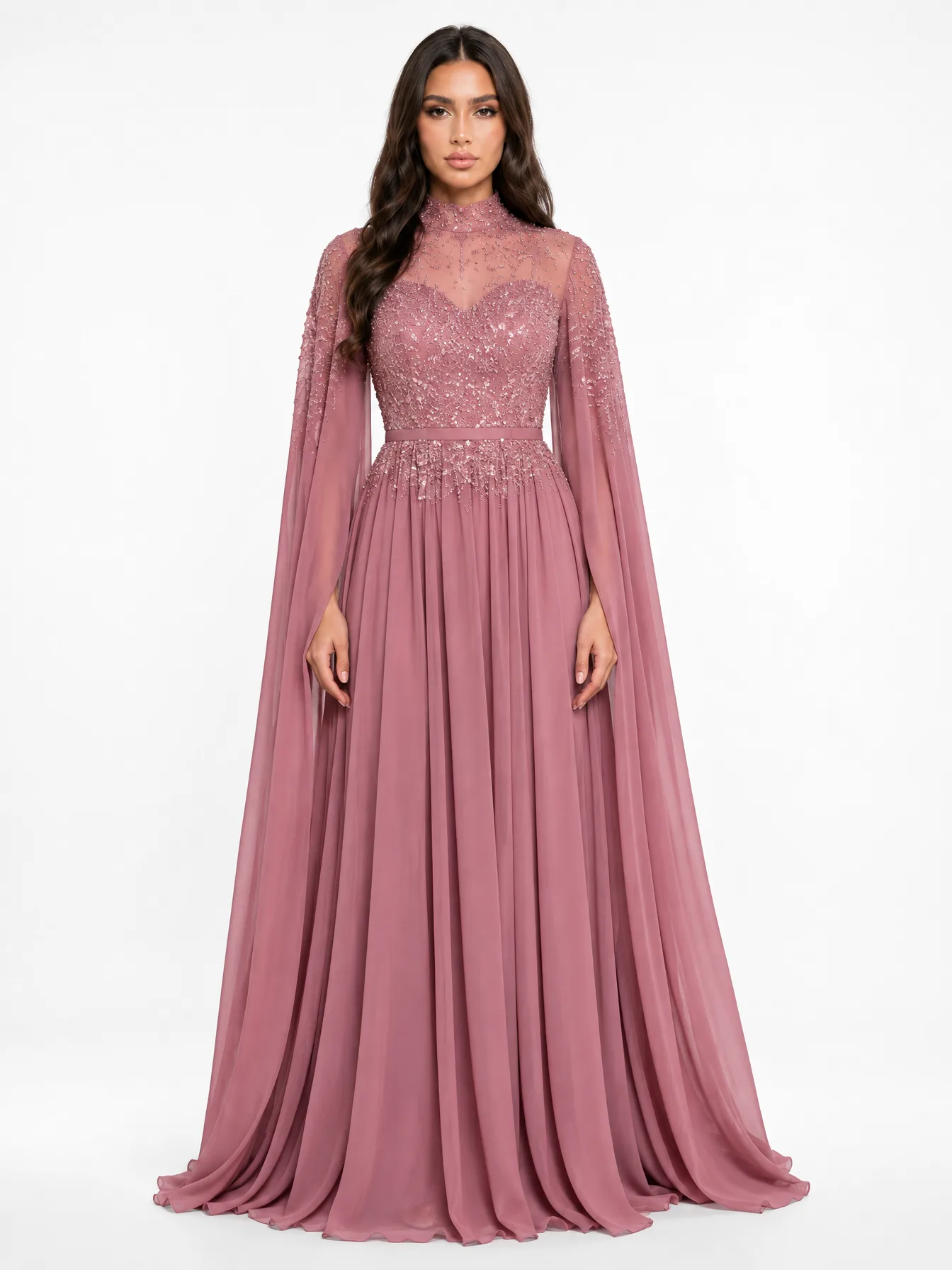
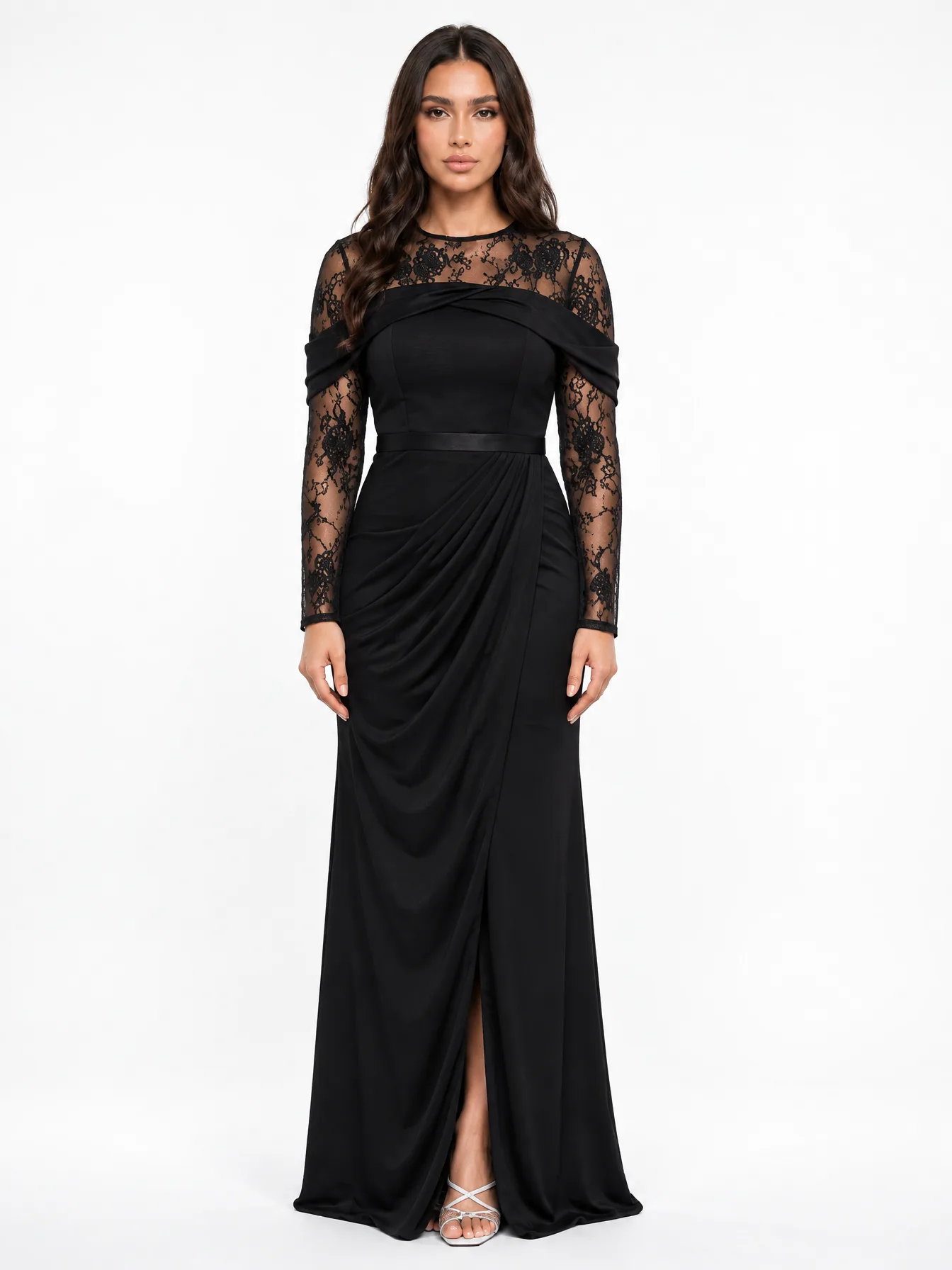
Yes, if you choose carefully. A floor-length gown with sleeves or a cape, a moderate neckline and a skirt you can move in will look right in a women's hall, a dabke line and a black-tie ballroom. Change the jewellery and shoes to suit each room.
- Works everywhere: long sleeves or sheer sleeves, a high or modest neckline, a skirt with room to move, a jewel tone.
- Works at mixed and Western weddings: thin straps or an off-shoulder line, with a wrap for arrival.
- Needs care everywhere: white, ivory, very short hems and deep slits.
The beaded chiffon cape gown and the sheer-sleeve draped dress are two examples of styles that cross over. If you are ordering online for a wedding season, leave enough time: Lianora, for example, delivers across the UAE and the GCC in 10 to 15 days from confirmation, and its delivery and returns page explains exchanges within 7 days of delivery.
Questions
Are Lebanese weddings segregated?
Usually not. Most Lebanese and wider Levantine weddings are mixed, with men and women dancing the dabke together. Some conservative families do hold separate parties, so check with the person who invited you.
What is a zaffe?
A zaffe is the musical procession that brings the bride and groom into a Levantine wedding. Arab News describes the Jordanian version as lasting around 30 minutes, with drums, horns, bagpipes and sometimes swords. Guests watch, clap and often join the dancing that follows.
Do I need an abaya for a Levantine or Western wedding in the UAE?
No. An abaya over your gown is a Gulf custom tied to the women-only hall. At a mixed wedding, a light wrap or jacket for the hotel lobby and air-conditioned rooms is enough.
How much money should I give at an Arab wedding?
There is no fixed amount, and it depends on how close you are to the couple and on local custom. At Gulf weddings a gift is optional; at Levantine weddings money in an envelope is common. Ask a friend from the same community what is usual.
Sources
- Arab News: Jordanian, Saudi wedding traditions to look out for at the royal celebrations (2023)
- Gulf News: Watch Dabke in Dubai – Arab expats share their love for the Levantine folk dance (2022)
- Gulf News: All you need to know about an Emirati wedding (2019)
- The National: What happens at an Emirati wedding? A guide to local traditions (2022)
- The National: Ask Ali – Gifts and 'plus ones' are welcome at weddings
- Gulf News: 8 wedding guest rules to follow for a drama-free event (2025)
- Khaleej Times: How to be the best-dressed guest at a summer wedding (2025)