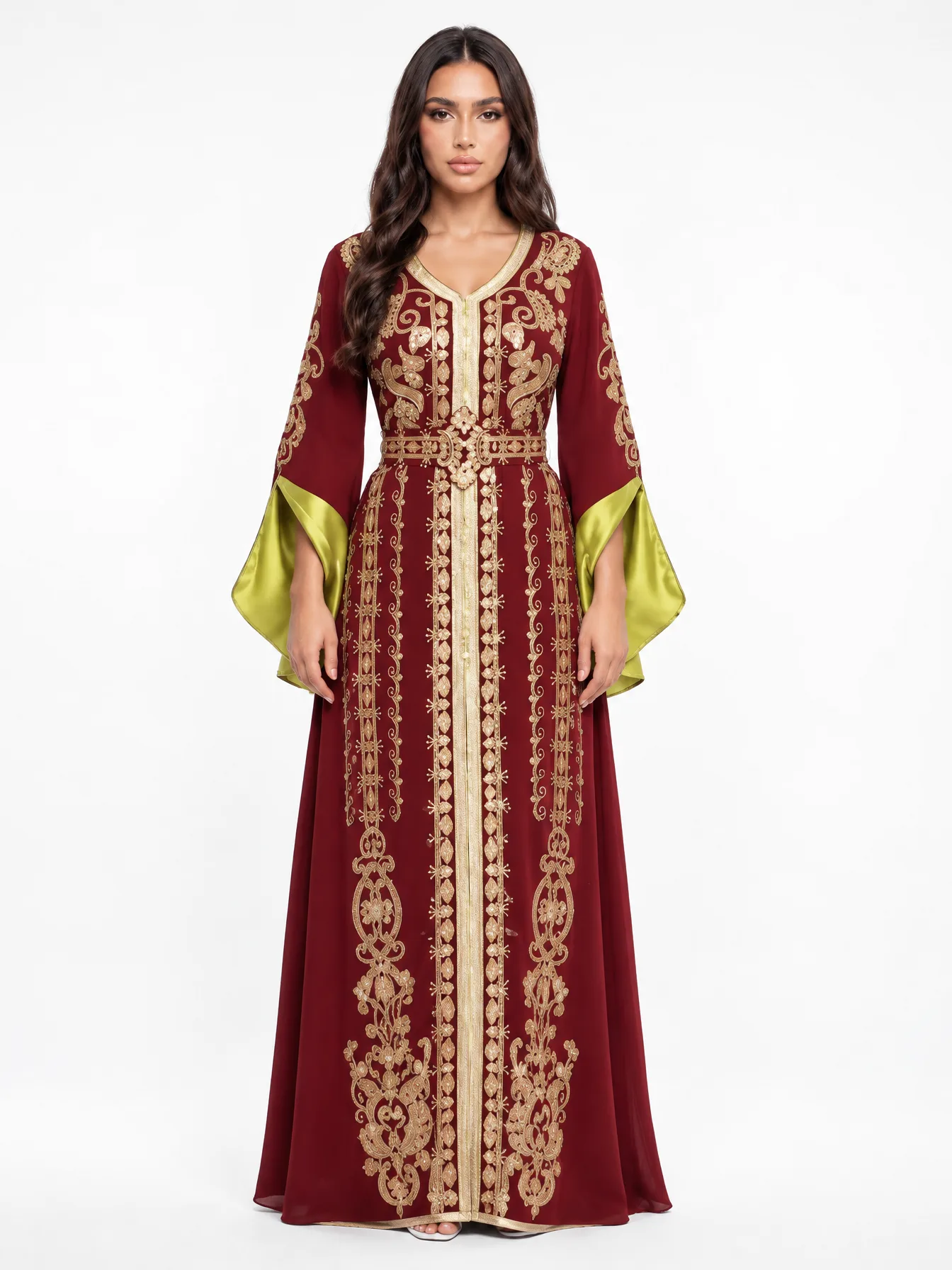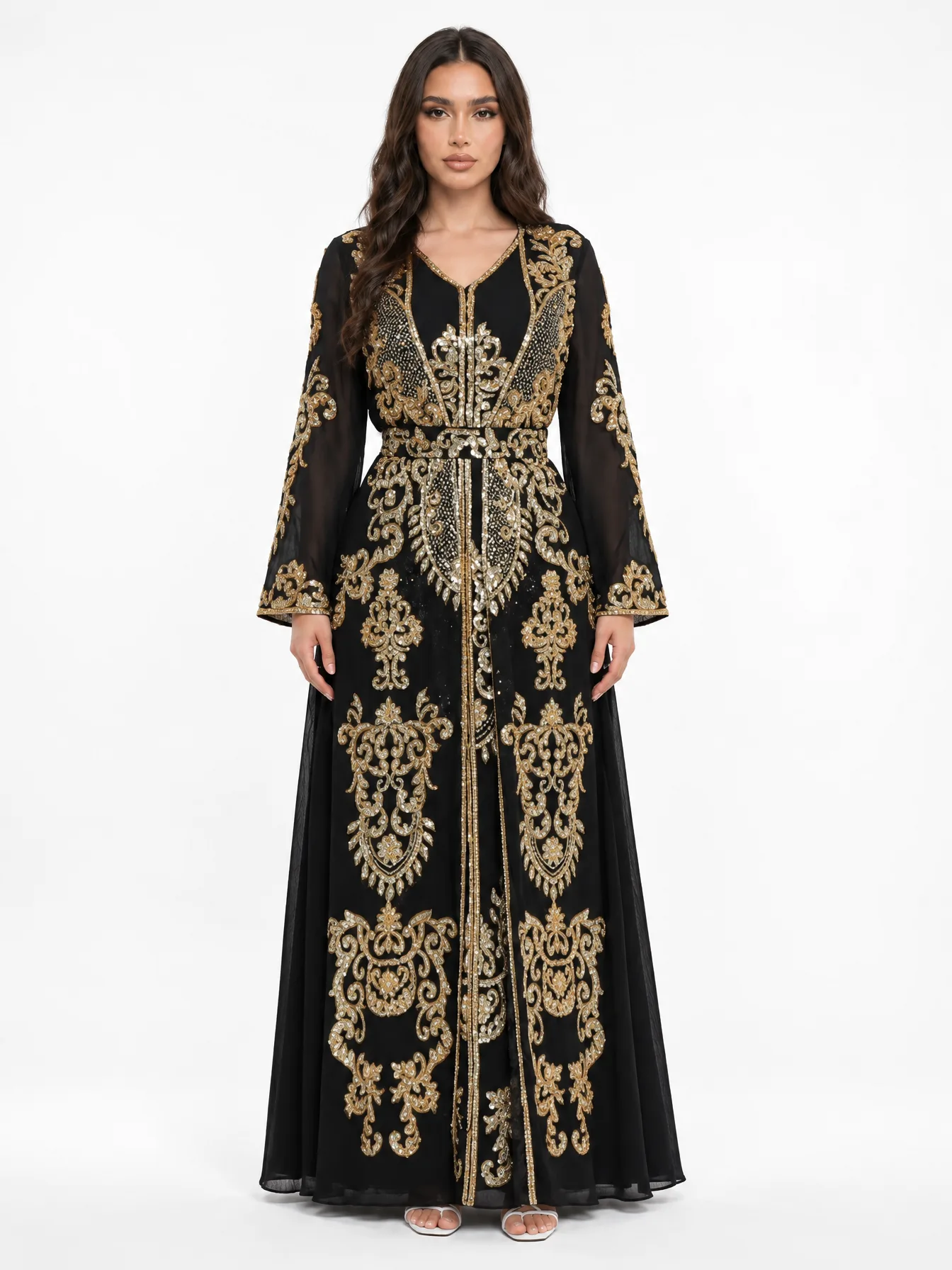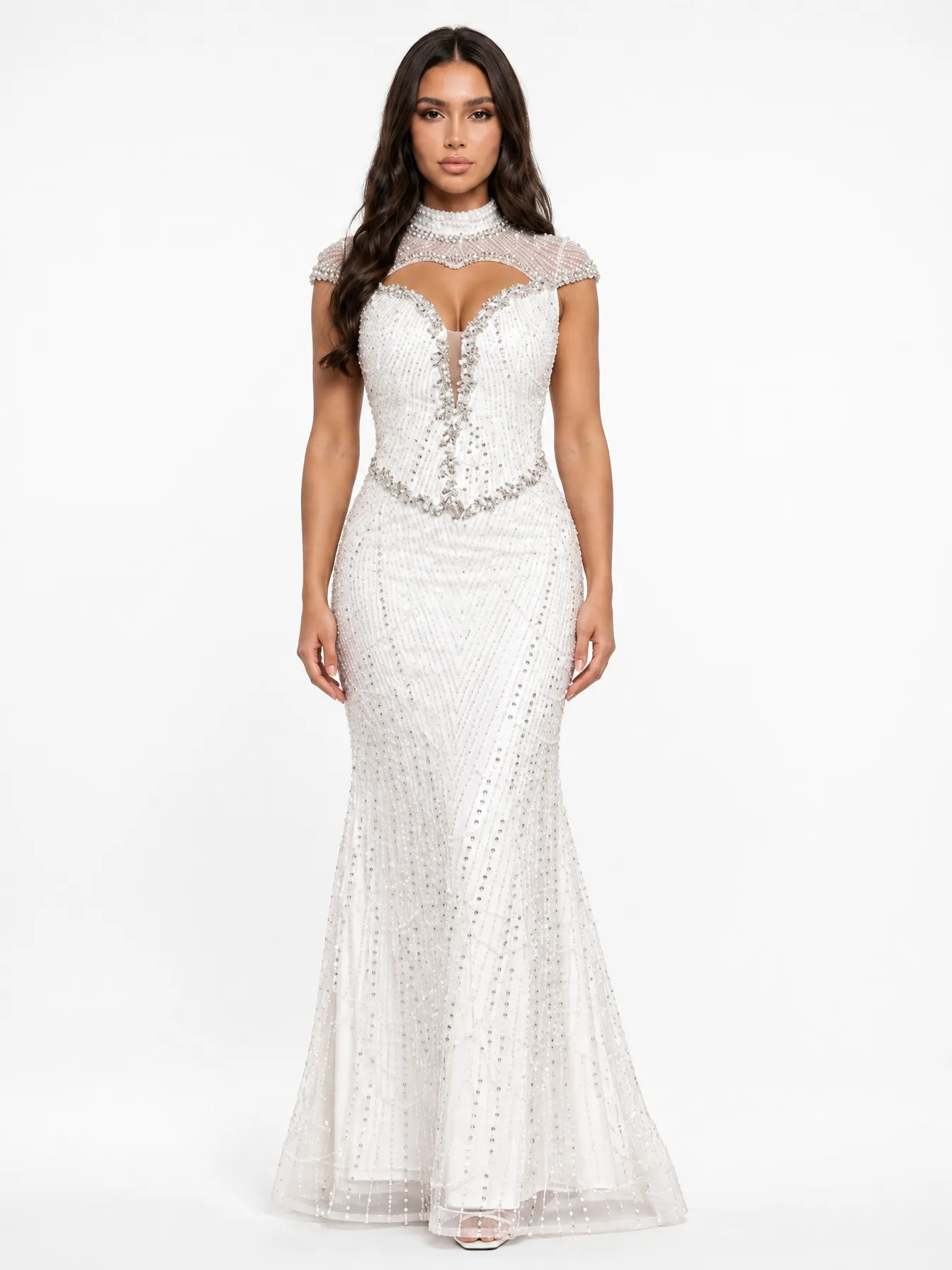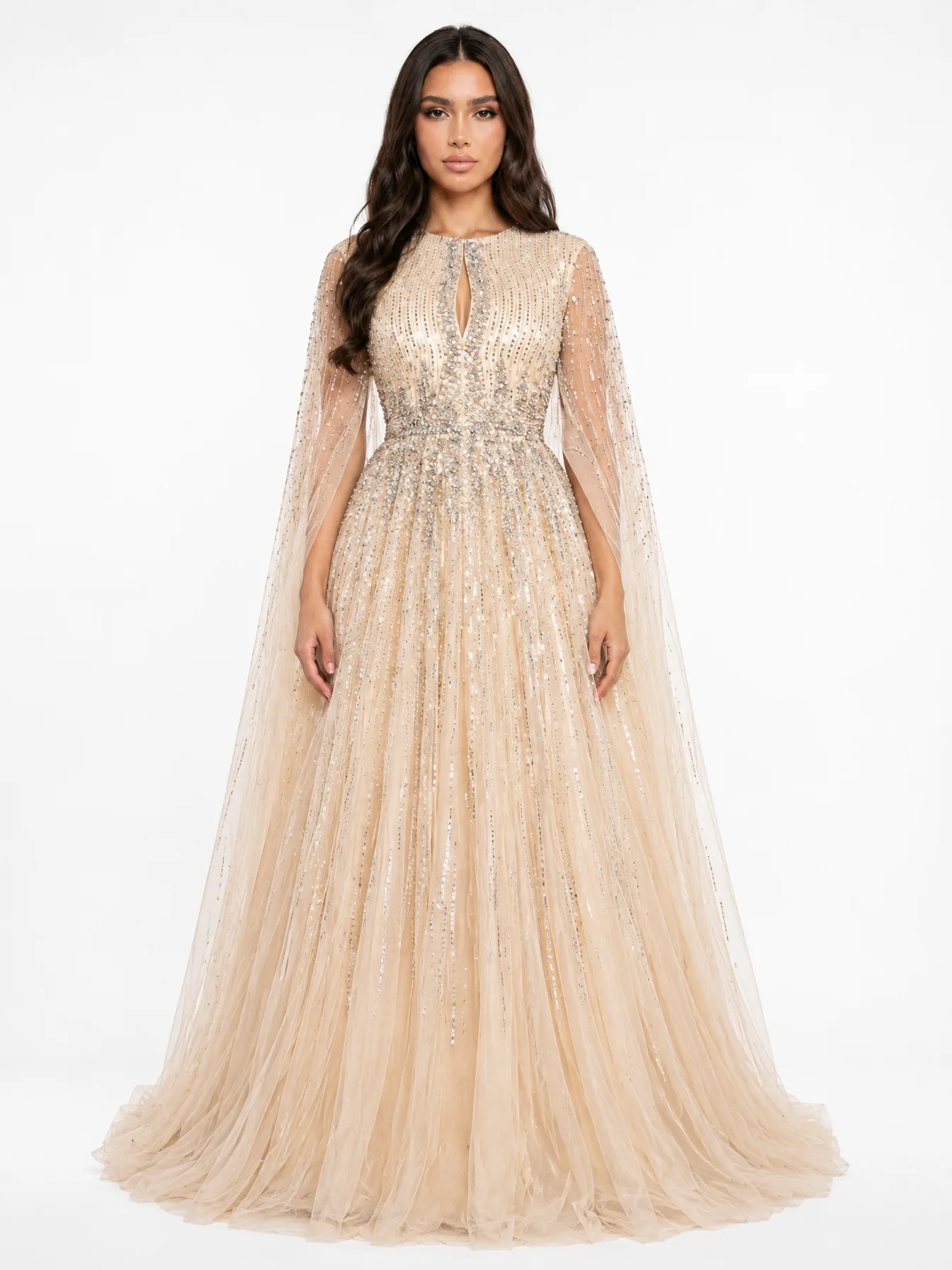
Saudi Arabia is a large country, and its wedding customs vary from region to region: a family in Jeddah may celebrate differently from one in Riyadh, Abha or Al-Ahsa. A few things are widely shared, though. There is a marriage contract, often called the milka, gifts from the groom's side, separate celebrations for women and men, and a strong concern for the privacy of women guests. This guide walks through the main stages and points out where regional traditions differ.
How do Saudi weddings vary by region?
A 2023 Arab News guide to Saudi and Jordanian wedding customs, written ahead of a royal wedding, makes the point directly: practices vary across the Kingdom, and Najdi families in the centre follow their own traditions. Its example is the henna night, which it describes as not typical of Najdi celebrations, while in the Hijaz, on the west coast, the night before the wedding is an important women's gathering.
Dress varies too. A 2017 study by researchers at Iowa State University of bridal costumes in western Saudi Arabia found that traditional Hijazi bridal garments are still handmade by a few families and still play a part in marriage rituals. In the south, the north and the Eastern Province, families have their own songs, dishes and dress.
So treat everything below as the common outline, and ask the family about their own customs if you are a close friend or relative.
What is the milka?
The milka (or malka) is the marriage contract, and with it the couple are legally married, even if the wedding celebration comes weeks or months later. The contract records the agreed mahr (dowry), any conditions either side sets, the guardian and the witnesses.
The paperwork has moved online. Saudi Arabia's Ministry of Justice lists marriage-contract services on its Najiz portal, including certifying a contract and verifying a registered one by its document number. When the ministry rolled out electronic marriage contracts in 2020, Arab News reported that more than 500 couples had used them during the pandemic lockdown, and the Saudi outlet Ajel reported that 5,000 registrars were being trained to officiate.
Many families still mark the milka with a gathering. For women, it is often an elegant evening at home or in a small hall, a step below the wedding itself. Our guide to engagement party outfits in the Gulf covers what to wear.
What is the shabka?
The shabka is a set of gifts from the groom's side, usually built around gold or jewellery. Arab News describes the Najdi custom as a wider bouquet of gifts that includes gold or jewellery for the bride's mother as well as for the bride. A visitor guide to Saudi customs published by House of Saud describes the shabka as the moment the groom gives the bride gold jewellery, alongside the mahr.
The size of the shabka, and whether it is presented at a gathering, depends entirely on the families. For guests, it is a family matter rather than an event you dress for, unless you are invited to the evening at which it is presented.
What is the ghomra, or henna night?
In the regions where it is customary, the night before the wedding belongs to the women. Saudipedia, the Saudi encyclopedia, describes the henna night, also called the ghomra, as a gathering of women from both families at the bride's father's house to decorate her hands and feet with henna.
In Jeddah, the customs can be elaborate. Women interviewed by Asharq Al-Awsat described the ghamra being held about a week, or at least three days, before the wedding, with singing and dancing, dinner and sweets, and henna and small presents handed out to the women. One described a traditional dress in which the bride is carried on a chair by her friends and showered with silver coins.
Henna is now recognised as shared Arab heritage: in December 2024, UNESCO inscribed henna rituals on its intangible cultural heritage list in a joint nomination that included Saudi Arabia. The dress code for a ghomra is usually colourful and festive; our guide to what to wear to a henna night has ideas.
What happens on the wedding night?
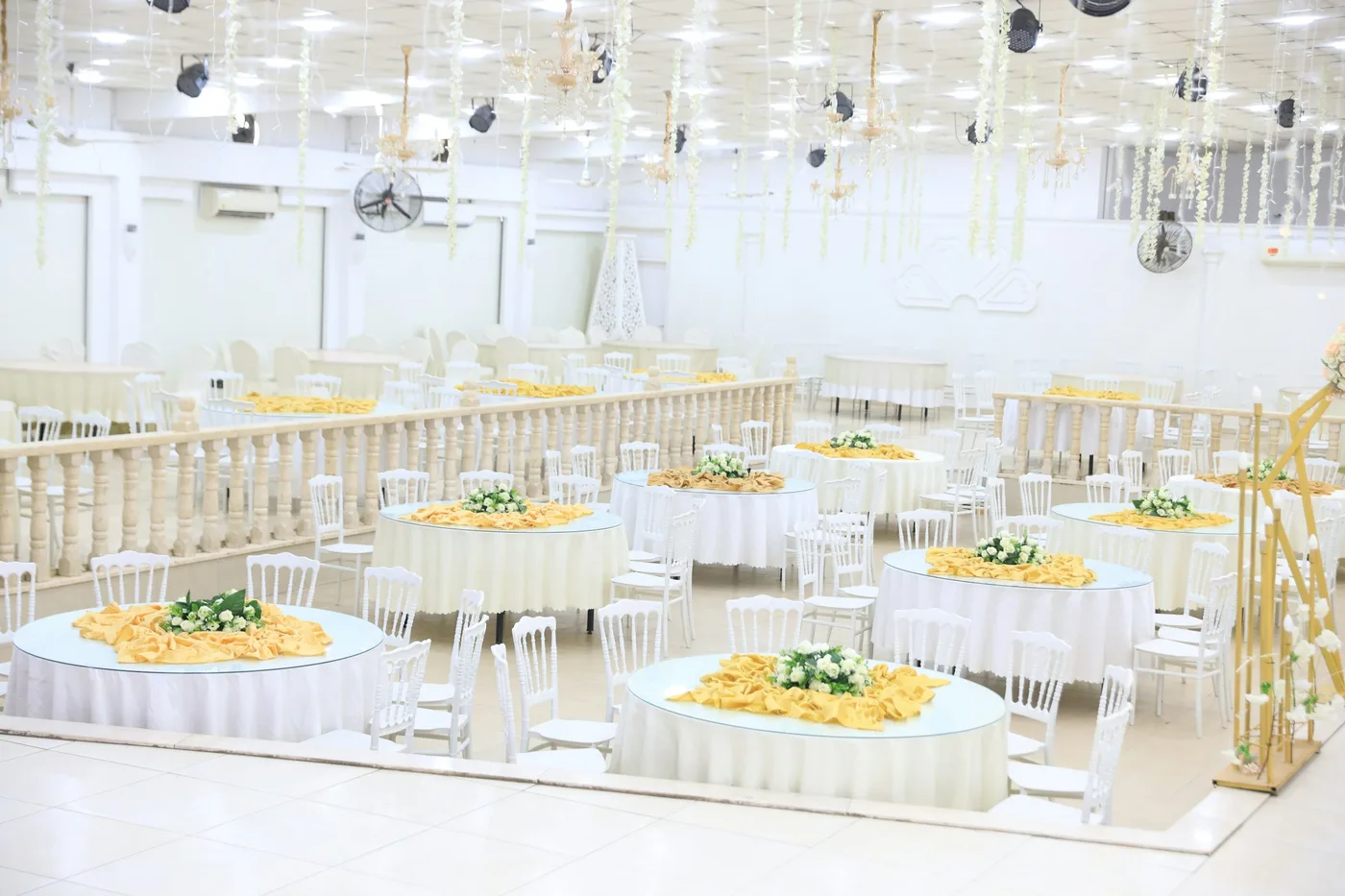
Women and men celebrate separately, usually in a wedding hall or hotel ballroom.
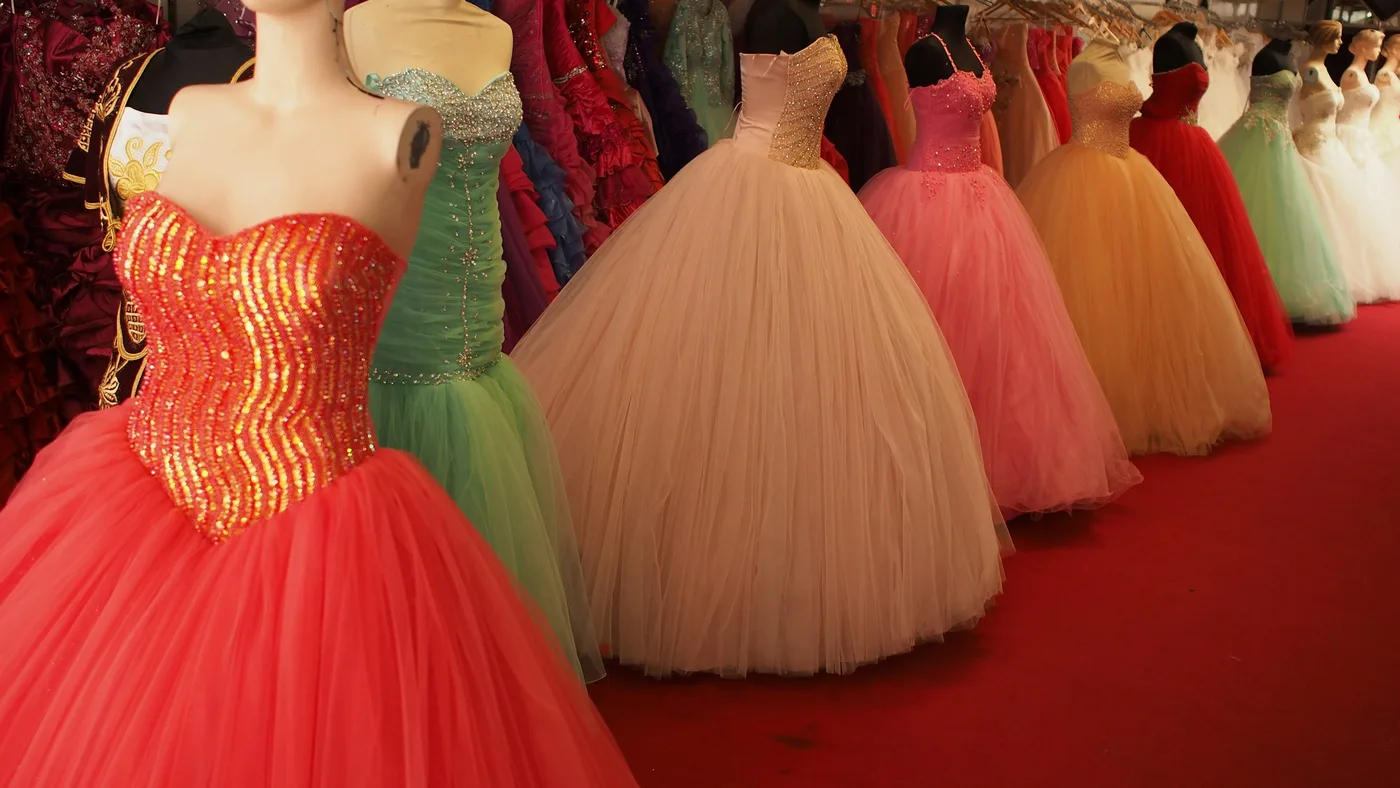
- The women's celebration is the longer and more glamorous of the two, with music, dancing and the bride's grand entrance and procession to the kosha, the decorated stage where she sits facing the guests. Guests wear full evening dress; many arrive in an abaya and remove it inside.
- The men's celebration centres on dinner, coffee and, at many weddings, the ardah. UNESCO, which inscribed Alardah Alnajdiyah on its intangible heritage list in 2015, describes it as dance, drumming and chanted poetry, once a war dance, now performed at weddings, festivals and national celebrations.
- The groom's entrance: later in the night, the groom usually comes into the women's hall with close male relatives, so women who cover put on their abaya or shayla.
Our guide to Khaleeji, Levantine and Western weddings explains how a Saudi wedding compares with other styles you may be invited to.
Why are phones and photos such a sensitive issue?
Because the women's hall is a private space, and many guests are dressed and uncovered in a way they would not be in public. When camera phones first arrived, Arab News reported in 2004 that some wedding halls hired staff to check that guests left their camera phones outside, after women complained of being photographed secretly and finding the pictures online.
The technology has changed, but the concern has not. Many halls and families still ask guests not to photograph, cover phone cameras with stickers or collect phones at the door, and the bride's own photographer is usually the only camera allowed. The simple rule: do not photograph anyone but yourself, and never post a picture from the women's hall without the family's permission.
What happens after the wedding?
The celebrations do not always end on the night. Arab News describes two Najdi customs that follow: the tehwal, a dinner at the groom's house on the day after the wedding, hosted by his family to welcome the bride, and the zowarah, a celebration organised by either family after the couple return from their honeymoon.
If you are close to the bride, you may be invited to one of these. They are usually less formal than the wedding: a smart dress or an elegant kaftan rather than a full ball gown.
Where Lianora fits
Lianora supplies evening dresses and kaftans from established Turkish ateliers, and delivers to Saudi Arabia, the UAE and the rest of the GCC in 10–15 days from the confirmed order, with customs duties and taxes paid by Lianora. For a milka, a ghomra and a wedding in one season, browse the evening dresses and the Arabic collection, and read delivery and returns so you know your exchange window before the first event.
Questions
Is the milka the same as the wedding?
No. The milka is the marriage contract, which makes the couple legally married. The wedding celebration often follows weeks or months later.
Do I need to wear an abaya to a Saudi wedding?
Inside the women's hall, guests wear evening dresses. Many women arrive in an abaya and keep it or a shayla nearby for the groom's entrance.
Can I take pictures at a Saudi women's wedding?
Usually not of other guests. Many halls restrict cameras, and posting photos from the women's hall without permission is a serious breach of privacy.
Sources
- Arab News: Jordanian, Saudi wedding traditions to look out for at the royal celebrations (May 2023)
- Saudipedia: What is henna associated with in Saudi Arabia?
- Asharq Al-Awsat: Henna nights (July 2005)
- Iowa State University: Meaning and symbolism in bridal costumes in western Saudi Arabia (2017)
- UNESCO: Decision 10.COM 10.b.26 — Alardah Alnajdiyah, dance, drumming and poetry in Saudi Arabia (2015)
- UNESCO: Henna — rituals, aesthetic and social practices (inscribed 2024)
- Arab News: Over 500 Saudis file online marriage contracts amid COVID-19 lockdown (2020)
- Arab News: Cell phone cameras hound female guests at weddings (2004)
- House of Saud: Saudi Arabian wedding traditions — what visitors should know