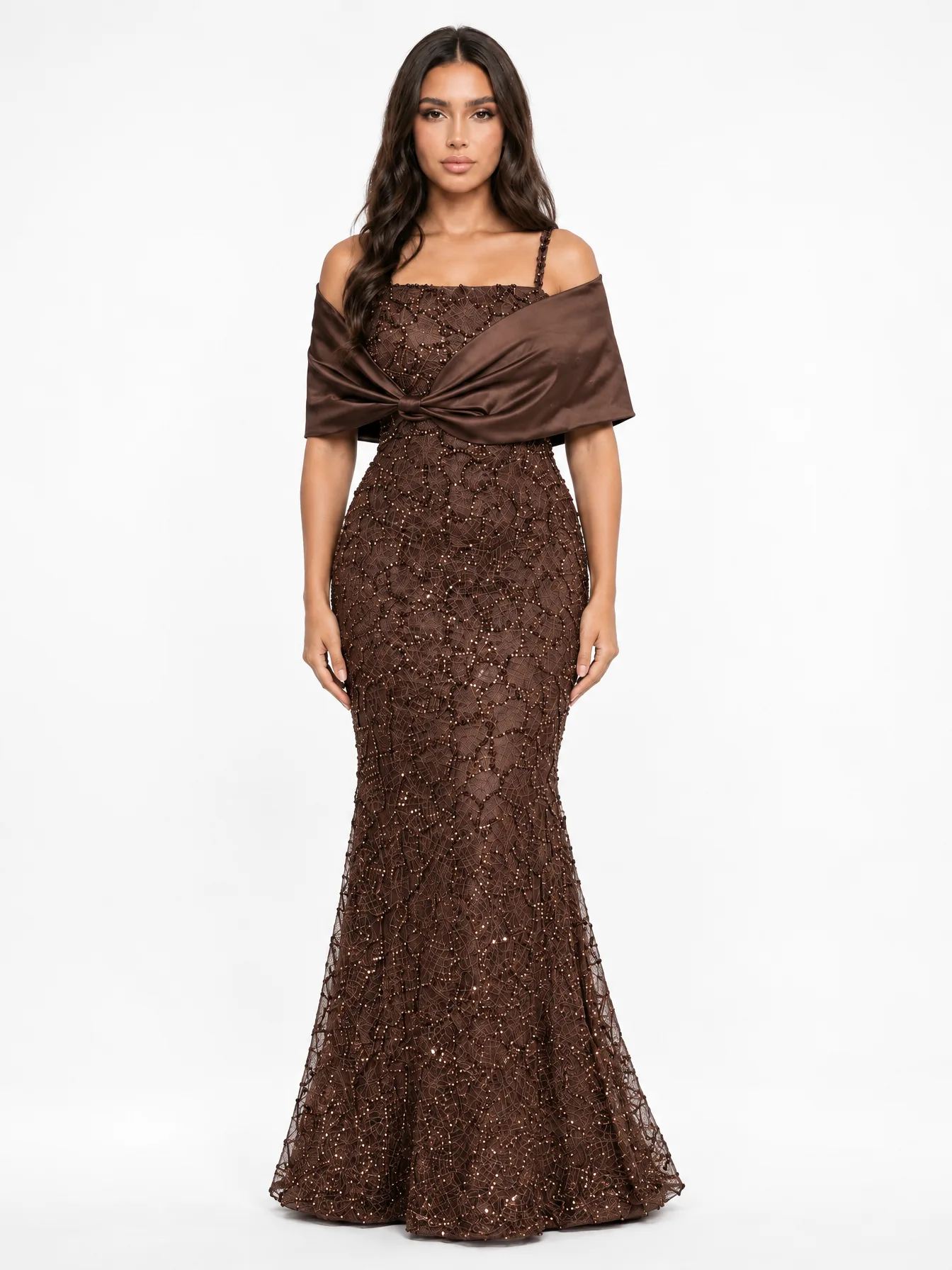
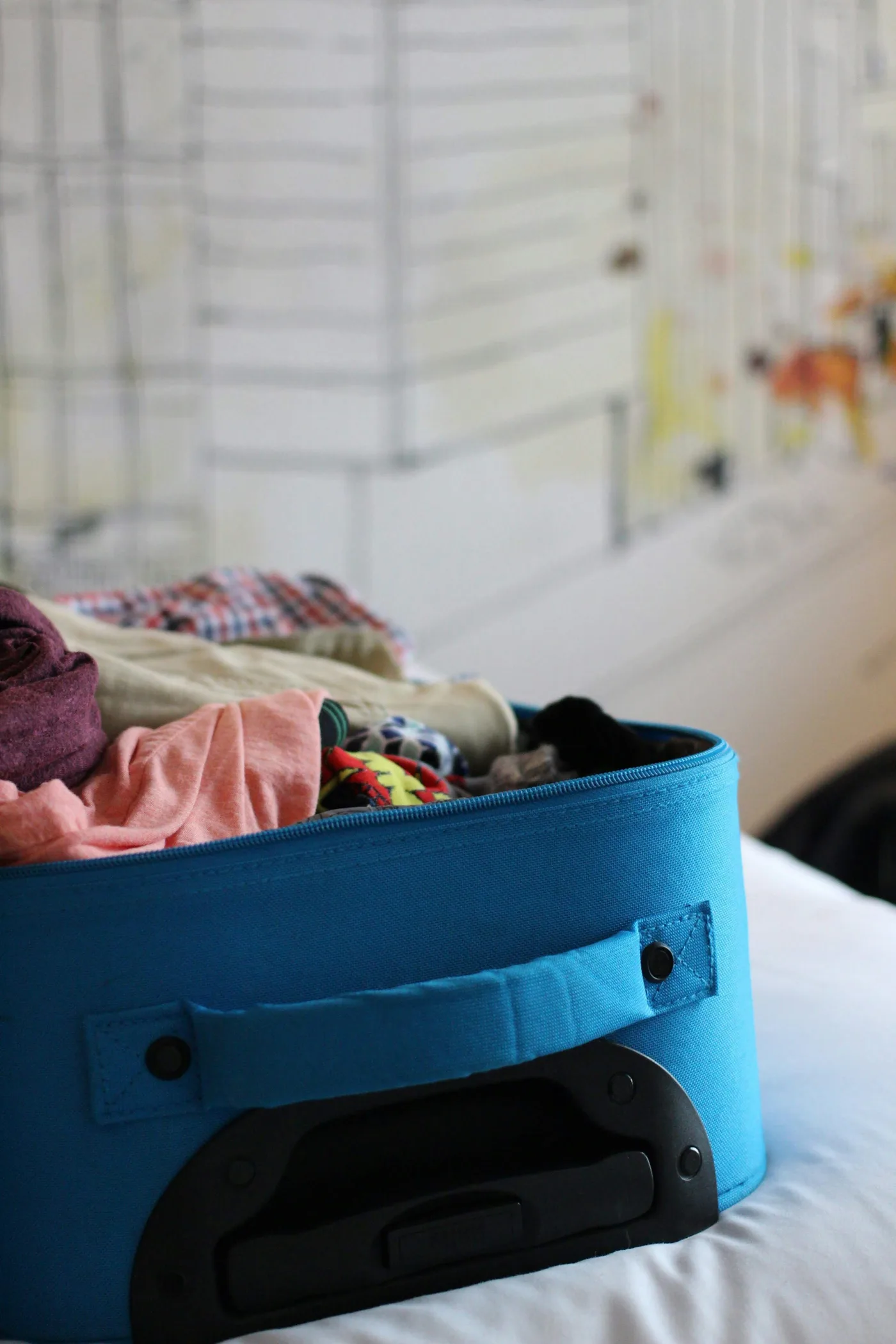
To keep an evening gown at its best, store heavily beaded gowns flat in a lined box and lighter gowns on a padded hanger inside a breathable cotton cover, away from sun and damp. Steam rather than iron, working from the inside on a low setting, and keep heat off sequins and glued stones. For travel, fold the gown at its natural lines with acid-free tissue in the folds, and hang it in a steamy bathroom when you arrive.
Should you hang or fold a beaded evening gown?
It depends on the weight. The Canadian Conservation Institute, which advises museums on caring for costume, says heavily decorated garments, fragile pieces and anything with weakened shoulder seams should be stored flat rather than hung. Beading pulls downward all the time a gown hangs, and over months the shoulders and the seams under a beaded bodice take the strain.
A simple rule of thumb:
- Hang: chiffon, crepe and lightly embellished gowns, on a broad padded hanger, never a wire one.
- Hang with help: fuller gowns, using the hanging loops sewn into the waist so the skirt's weight is not carried by the shoulders. The institute suggests cotton tape running from the waistband to the hanger for bulky garments.
- Store flat: heavily hand-beaded or sequinned gowns, ball gowns with weighty skirts, and bias-cut or stretchy pieces that lose shape on a hanger.
If you do hang a gown, give it room. The same guidance suggests at least 10 cm between garments so beads do not catch on their neighbours.
How do you store an evening gown at home?
Museum practice translates well to a wardrobe:
- Clean it first. Conservators insist textiles are clean before storage, because soiling attracts insects and marks set with time.
- Choose a breathable cover. A prewashed cotton cover or an old cotton sheet protects against dust and light; the dry cleaner's plastic film is for the journey home, not for storage.
- For flat storage, use a lidded box big enough to take the gown with as few folds as possible, lined with cotton or unbuffered acid-free tissue.
- Pad every fold with rolled or crumpled acid-free tissue so it cannot crease sharply, and stuff the sleeves and bodice lightly.
- Interleave tissue between beaded areas and plain fabric, so stones do not press into or snag the chiffon.
- Every few months, refold along slightly different lines. The institute advises repositioning folded textiles regularly so creases do not set.
- Keep the box off the floor, out of the sun and away from walls that get hot.
How do you protect an evening gown from Gulf heat and humidity?
Dubai's summers are very hot and humid; average dew points are about 26.5°C in July and 27°C in August, according to the climate records summarised on Wikipedia. Damp air, heat and sudden changes in temperature are hard on delicate fabric, glue and metallic thread, so:
- Store gowns in an air-conditioned room, not in a storeroom, garage, roof cupboard or car boot.
- Avoid sealed plastic for storage. Conservation guidance recommends prewashed cotton covers, and in humid weather plastic can hold moisture against the fabric.
- Let a gown dry and air fully before you put it away, especially after a humid outdoor event or a long evening of dancing.
- Keep it away from windows, as sunlight fades colour over time.
- Check stored gowns every couple of months for marks, smells or loose beads.
If you are choosing a gown for an outdoor summer event in the first place, our guide to evening dress fabrics for the Gulf climate covers what wears coolest.
How do you steam chiffon, tulle, satin and sequins safely?
A handheld or standing steamer is safer than an iron for almost every evening fabric. Start with these rules, then adjust by fabric:
- Read the care label and test on a hidden spot inside first.
- Use distilled water, which avoids mineral spots on dark fabric.
- Steam the lining and inner layers first, then the outside, so you do not crease the finished layer again while reaching inside.
- Keep the steamer moving and let the gown dry on its hanger before wearing it.
By fabric, following one US evening-wear label's care guide:
- Chiffon: low steam from a distance. If you must iron, use the lowest setting on the reverse with a cotton cloth between.
- Tulle and organza: never iron, as they can melt on contact. Use low steam held well away, one layer at a time.
- Satin: steam thin satin rather than ironing it, as direct heat can leave a permanent shine.
- Sequins, beads and crystals: never iron them, even around them. Steam lightly from the inside of the dress only.
- Glued stones: heat can dissolve the adhesive, so keep steam brief and indirect.
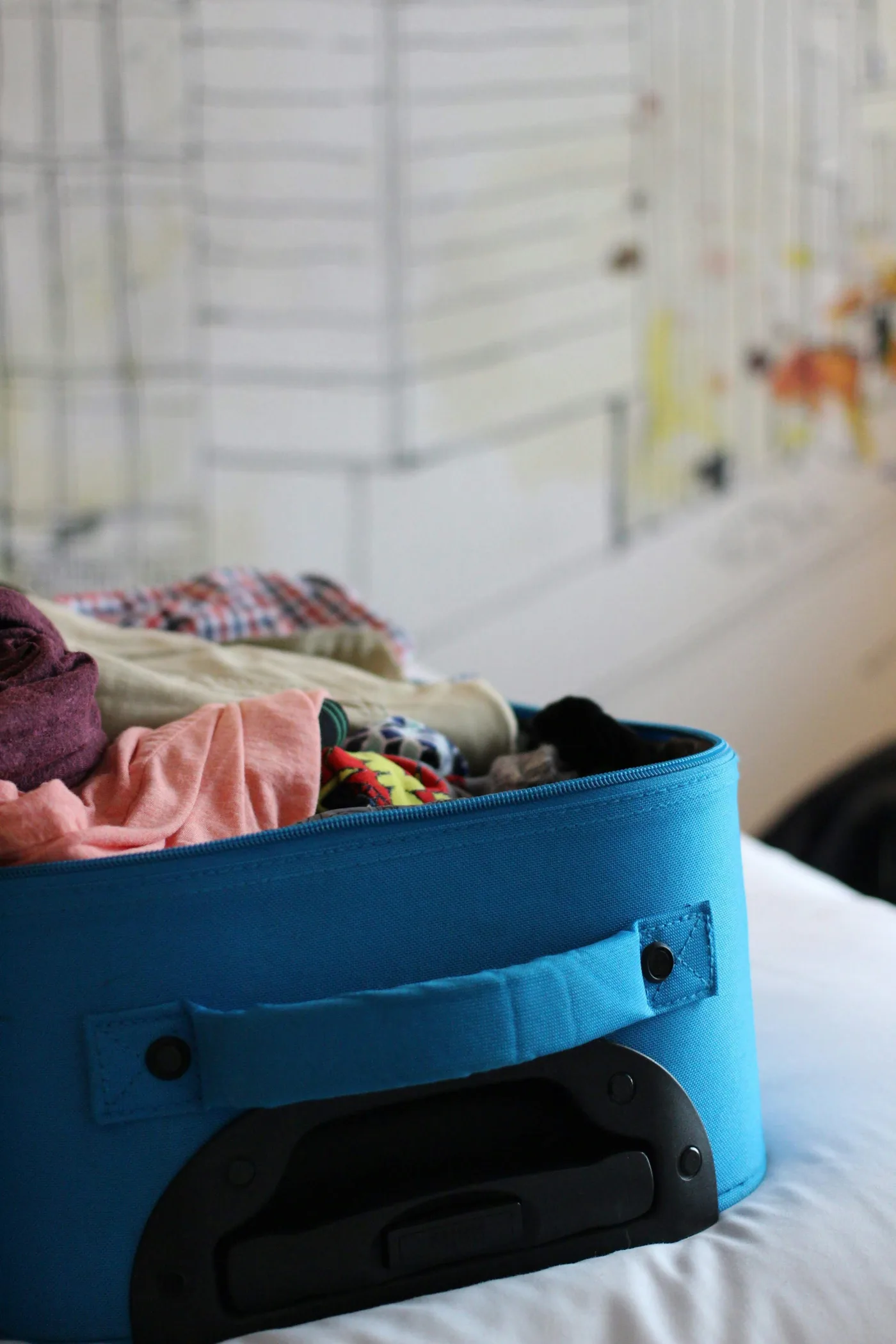
How do you pack an evening gown in a suitcase?
A gown packed with care arrives needing only a light steam. Step by step:
- Turn heavily beaded gowns inside out, or lay tissue over the beading, so stones cannot snag the rest of the dress.
- Lay the gown face down on a bed and place sheets of acid-free tissue along the bodice and down the skirt.
- Fold the sleeves across the back, then fold the skirt in from the sides towards the centre.
- Fold the length in two or three, rolling a sausage of tissue into each fold rather than pressing it flat.
- Slip it into a breathable garment bag or a cotton pillowcase and pack it on top, with nothing heavy above it.
- Pack shoes, jewellery and anything with sharp edges in separate bags, away from the gown.
On arrival, unpack straight away and hang the gown in the bathroom while you run a hot shower, keeping it away from the water and the wet floor. The same care guide suggests 10 to 15 minutes. A ball gown with a very full skirt can also travel in its own box, padded with tissue.
Can you take an evening gown on the plane as hand luggage?
Often, yes, if it fits your airline's cabin allowance. Carrying it means it cannot be lost or crushed in the hold, which matters most when you fly in on the day before a wedding.
Before you fly:
- Check your ticket's cabin allowance. Size and weight limits vary by airline, route and cabin class, and a folded garment bag counts as a bag.
- Do not count on a wardrobe on board. Plan for the gown to travel folded in the overhead locker, packed as above.
- Keep perfume, make-up and drinks well away from the bag.
- If the gown is very full or heavily beaded, consider checking a hard suitcase with the gown boxed inside, and carrying a simpler back-up outfit with you.
If you are travelling to a wedding abroad, unpack and inspect the gown on arrival so there is time to fix a loose bead or find a steamer.
Can a beaded evening gown be dry cleaned?
Sometimes, but check the label first. The Drycleaning & Laundry Institute notes that heavily beaded or sequinned formal gowns may be labelled "Do Not Dryclean; Do Not Wash; Spot Clean Only", because tests often find the coating on the beads cannot withstand dry-cleaning solvents, or the base fabric cannot be washed. For those gowns, only local spot cleaning is possible.
When you hand a gown to a cleaner:
- Point out every stain and say what caused it, if you know.
- Show them any glued stones and areas of loose beading.
- Ask how they will test the beads and fabric before cleaning.
- Agree that they will not use a method beyond the label without asking you. The institute says a cleaner should explain the limits of the options and not go beyond the label without the customer's consent.
Treat small marks quickly and gently, blotting rather than rubbing, and leave anything large to a professional.
When a new gown arrives, unpack it straight away, hang it and check the beading. With Lianora, any damage should be reported with photos within two to three days of delivery; see delivery and returns.
Questions
Can you iron an evening gown?
Rarely, and never over sequins, beads, tulle or organza. If a plain chiffon or heavy satin section must be pressed, use the lowest setting on the reverse with a cotton cloth between the iron and the fabric. A steamer is almost always the safer choice.
Is it bad to keep an evening gown in a plastic bag?
For a journey home from the cleaner it is fine, but not for storage. Plastic traps moisture, which matters in Gulf humidity, so move the gown into a breathable cotton cover or an acid-free lined box once you are home.
How do you get creases out of a gown in a hotel without a steamer?
Hang it in the bathroom, run a hot shower with the door closed and leave the gown in the steam for 10 to 15 minutes, away from the water. Then let it dry fully on the hanger before you put it on. Some hotels can also lend a steamer if you ask.
How should you store a gown with a cape or separate pieces?
Store each piece with its gown so nothing is lost, but wrap it separately in tissue so beading on one cannot snag the other. Two-piece designs such as the pearl-beaded ball gown with cape are easiest kept flat in the same box.