
Women visiting Saudi Arabia are not required to wear an abaya or cover their hair, according to Visit Saudi, the official tourism site. What is required is modest dress in public under the Kingdom's public decency rules: loose clothing that covers the shoulders and knees, nothing tight or see-through, and no offensive images or slogans. Mosques ask for more. Here is what that means in practice, from Riyadh streets to a Jeddah wedding.
Do women have to wear an abaya in Saudi Arabia?
Visitors do not. When Saudi Arabia opened tourist visas in September 2019, the head of the tourism authority, Ahmed al-Khateeb, said foreign women would not be obliged to wear the abaya, as reported by Euronews and Reuters at the time. Visit Saudi's help centre today states that it is not mandatory for women to wear an abaya or hijab, and that all visitors should dress decently.
What applies to everyone is the public decency regulation. In 2019 the Interior Ministry announced fines for 19 offences related to public decency, including immodest dress and public displays of affection, with fines reported at between SAR 50 and SAR 6,000. The tourism authority's guidance at the time said women should cover their shoulders and knees in public, and that men and women should avoid tight-fitting clothing and clothes with profane language or images.
Many Saudi women still wear the abaya by choice, and you will see everything from classic black to coloured, open and embroidered styles.
What should you wear in Saudi cities day to day?
Visit Saudi recommends loose clothing that covers the shoulders, cleavage and legs, and notes that tourists are not expected to match local women's level of coverage. In practice:
- Long, loose dresses and skirts below the knee, ideally to the ankle.
- Wide-leg trousers with a top that covers the shoulders and the hips.
- Sleeves: short sleeves are within the rules, but long or three-quarter sleeves fit in better, especially in Riyadh and smaller towns.
- Fabrics: opaque, breathable cotton, linen and crepe. Avoid anything tight or sheer.
- An abaya, open or closed, is a practical choice if you want to blend in or wear lighter clothes underneath.
The atmosphere varies by place. Jeddah and the big entertainment districts in Riyadh are more relaxed than conservative neighbourhoods and smaller cities. Visit Saudi also reminds visitors that winter evenings can be cold, especially in Riyadh and the north, so pack a warm layer between December and February.
A packing list that covers most trips: two or three loose maxi dresses or skirts, wide-leg trousers, long-sleeved tops and shirts that cover the hips, a light open abaya or long cardigan, a large scarf for mosques, comfortable walking shoes and one dressier outfit for an evening out. If you are invited to a wedding or a private women's event, add a proper evening dress. Everything on this list also works in Jeddah, Riyadh and AlUla, so you will rarely need to pack separately for each city on a longer trip.
What should you wear to a mosque in Saudi Arabia?
Mosques ask for more coverage than the street. Visit Saudi's guidance says all visitors must remove their shoes and wear long trousers or skirts, and that women must cover their hair; it suggests packing a scarf or pashmina for this.
The holy cities have their own rules. Only Muslims may enter Makkah, and the area around the Prophet's Mosque in Madinah is also restricted to Muslims. For Hajj and Umrah, Visit Saudi describes women's ihram as modest, loose-fitting clothing with a head covering, leaving the face and hands uncovered.
For what a mosque dress code looks like in detail, our guide to the Sheikh Zayed Grand Mosque dress code in Abu Dhabi is a useful reference.
What about concerts, sports events and Riyadh Season?
Entertainment has changed Saudi life dramatically since 2018, and event dress has relaxed with it. When Saudi women began attending sports events, Gulf News reported a shopping rush for abayas, including styles printed with patriotic phrases.
The public decency rules still apply at public events, so the same guidance works: loose, covering clothing, nothing tight or sheer. Some events publish their own dress guidance on the ticket page, so check it. For an evening event, a smart abaya, a long-sleeved jumpsuit or a maxi dress with a light jacket is a good choice. Comfortable shoes matter more than usual, because venues such as Boulevard Riyadh City involve a lot of walking.

What do women wear to Saudi weddings and private events?
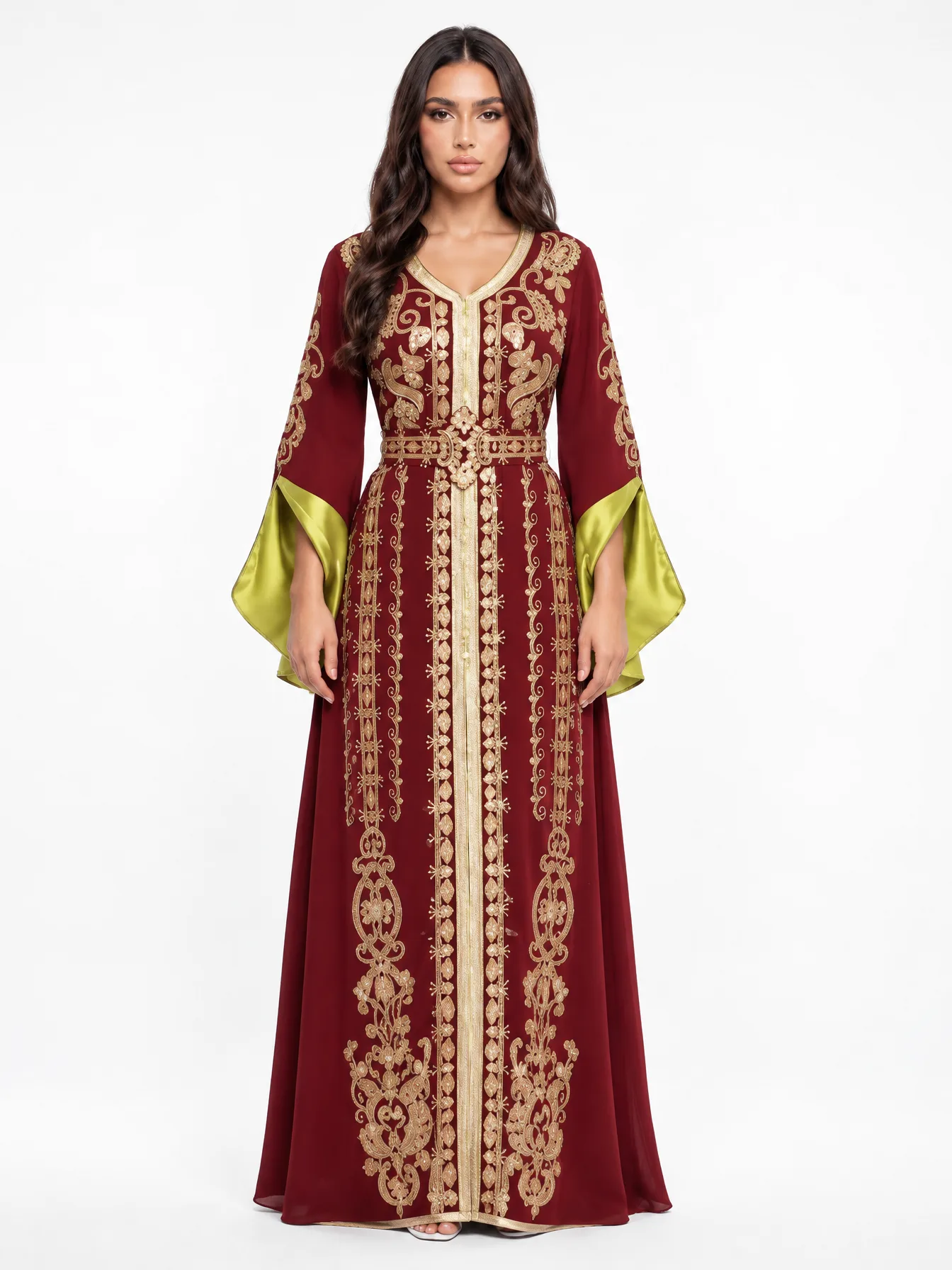
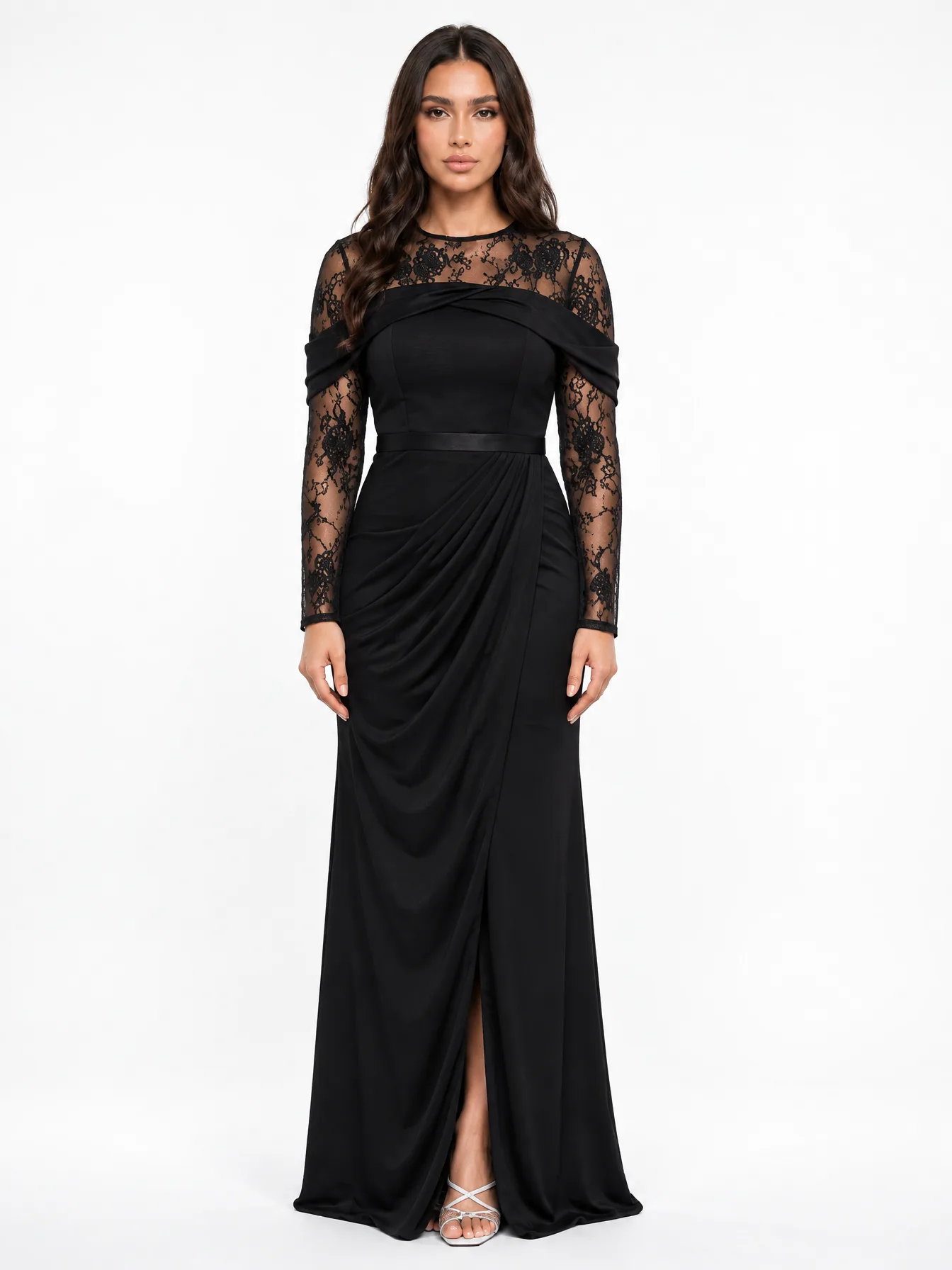
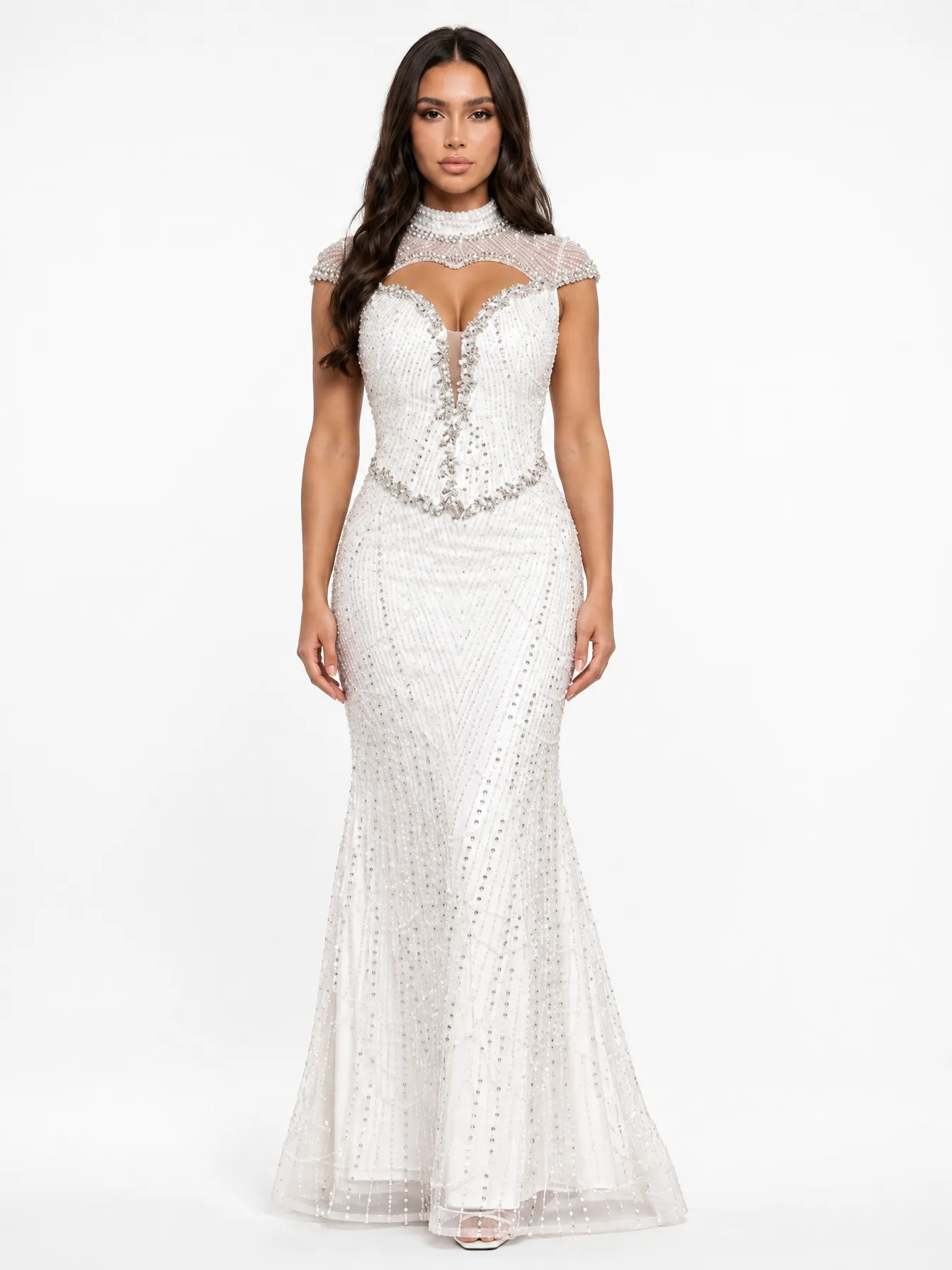
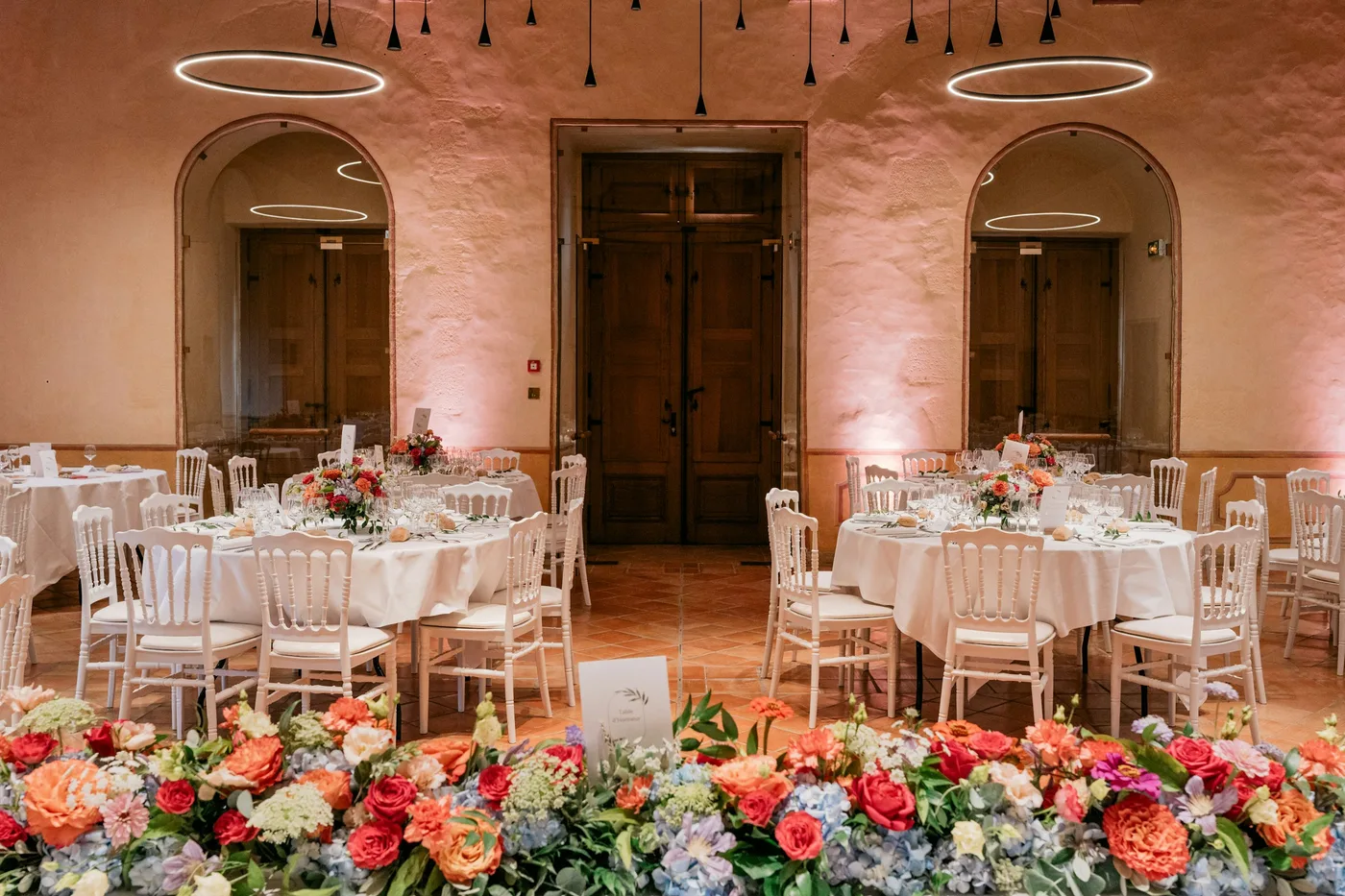
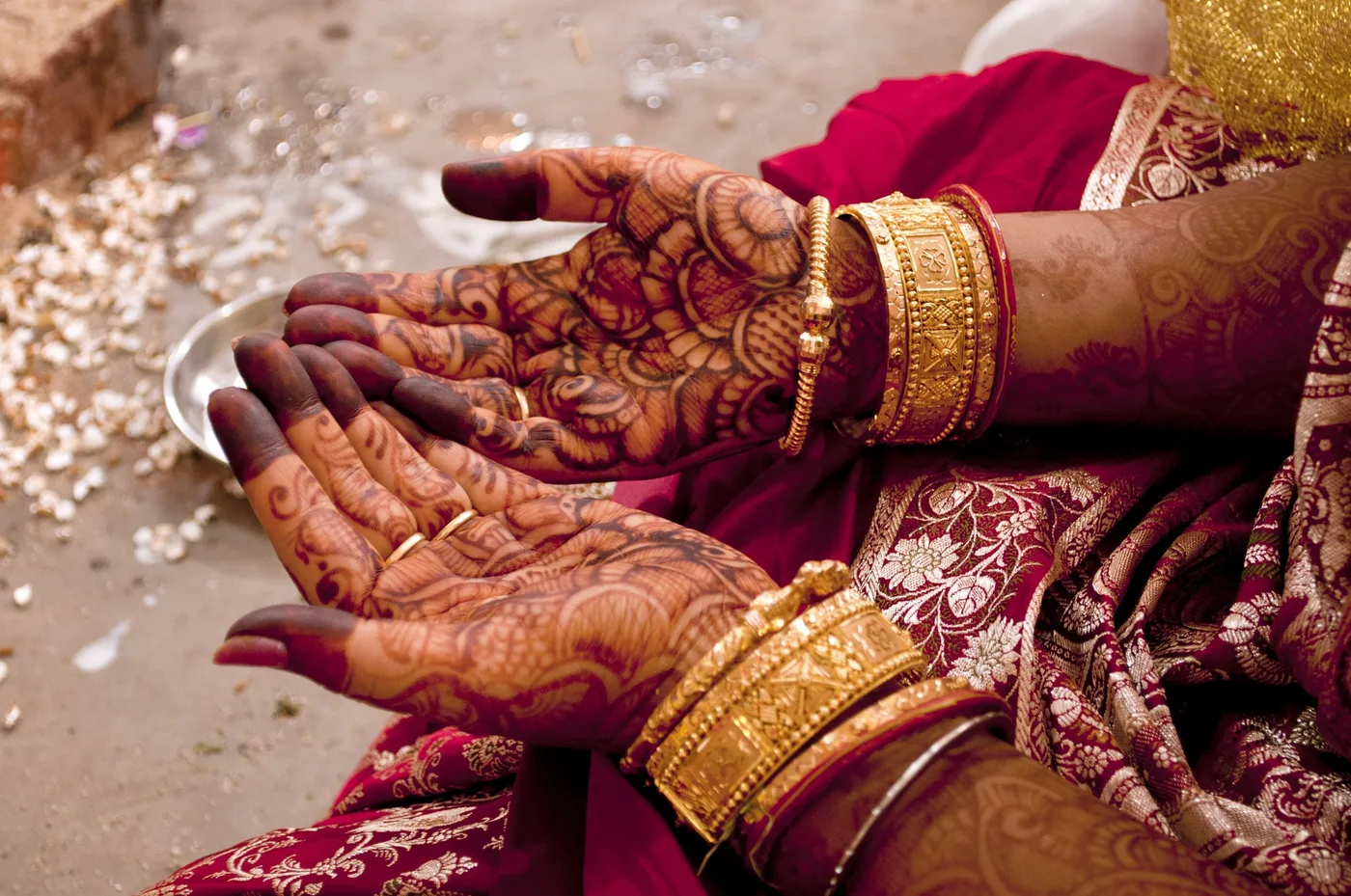
Inside a women-only celebration, the rules of the street do not apply. At Saudi weddings, women and men usually celebrate separately, and in the women's hall guests wear full evening dress: gowns, beaded kaftans and glamorous make-up. Many arrive in an abaya and take it off inside, and keep it or a shayla nearby for the groom's entrance later in the night.
The same is true of women's engagement parties, henna nights and many private gatherings at home. If you are invited, ask the host how formal it will be, and dress up rather than down. Our guide to Saudi wedding traditions explained walks through each stage, and our modest evening dresses guide helps if you prefer to stay covered inside too.
Beaches, pools and Ramadan
- Beaches and pools: swimwear is generally accepted at hotel pools and private beach resorts, especially on the Red Sea coast, while public beaches are more conservative. Check the resort's own rules, and cover up when you leave the pool area.
- Ramadan: dress more conservatively than usual in public, and avoid eating, drinking or smoking in public during daylight hours. Evenings are lively, and iftar and suhoor invitations call for elegant, modest outfits. Our guide to the Ramadan iftar and suhoor dress code covers what to wear.
- Offices and government buildings: err on the side of more coverage, with long sleeves and a long skirt or trousers.
Where Lianora fits
Lianora supplies evening dresses and kaftans from established Turkish ateliers, and delivers to Saudi Arabia and across the GCC in 10–15 days from the confirmed order, with customs duties and taxes paid by Lianora. For a Saudi wedding, engagement or iftar, browse the evening dresses and the Arabic collection, and check the sizes and fit guide before you order.
Questions
Do I have to cover my hair in Saudi Arabia?
Not in public places as a visitor. Visit Saudi says the hijab is not mandatory. You do need to cover your hair when visiting a mosque, so carry a scarf.
Can I wear jeans in Saudi Arabia?
Yes, if they are not tight and are worn with a top that covers your shoulders and hips. Wide-leg or straight jeans with a long shirt are a common choice.
What happens if I break the dress code in Saudi Arabia?
Under the public decency rules announced in 2019, immodest dress can lead to a fine, reported at between SAR 50 and SAR 6,000 across the 19 listed offences. In practice, visitors are usually asked to cover up first.
Sources
- Visit Saudi Help Center: As a woman, do I have to wear hijab or abaya in Saudi?
- Visit Saudi: A guide for female travellers in Saudi
- Visit Saudi: Discover Saudi customs and culture
- Euronews: Saudi Arabia implements public decency code as it opens to tourists (September 2019)
- The Business Standard (Reuters): Saudi Arabia implements public decency code (September 2019)
- Gulf News: Shopping frenzy as Saudi women get ready to attend sporting events