
Plan 2027 in three buying waves. Have Ramadan and Eid al-Fitr stock landed by mid-January, because Ramadan is expected to begin around 8 February and Eid al-Fitr on 9 or 10 March. Reorder for Eid al-Adha, expected on 16 or 17 May, as soon as Eid al-Fitr ends. Then buy for the autumn wedding season and the December National Days during July and August. Every Islamic date below is an astronomical forecast and will be confirmed only when the crescent moon is sighted.
Which 2027 dates matter most to a Gulf evening-wear boutique?
These are the dates to pin to the wall. The Islamic dates come from the UAE's Astronomy Centre forecasts, as reported by Khaleej Times and Gulf News, and can each move by a day once the moon is sighted. The National Days come from recent official holiday announcements. Each government confirms its days off every year, sometimes only weeks ahead and not always on the usual date, so check the official announcement before you fix a promotion.
- Ramadan: expected to begin on Monday 8 February 2027.
- Saudi Founding Day: 22 February, which falls inside Ramadan in 2027.
- Kuwait National Day and Liberation Day: 25 and 26 February, also inside Ramadan.
- Eid al-Fitr: expected on Tuesday 9 or Wednesday 10 March.
- Arafat Day and Eid al-Adha: Arafat Day on 15 or 16 May, Eid al-Adha on 16 or 17 May.
- Islamic New Year: expected around 6 June. The Prophet's Birthday: expected around 14 August.
- Saudi National Day: 23 September.
- Oman National Day: 20 and 21 November under Royal Decree 15/2025, although the 2025 days off fell on 26 and 27 November, so wait for that year's announcement.
- UAE Eid Al Etihad: 2 and 3 December.
- Bahrain National Day: 16 and 17 December.
- Qatar National Day: 18 December.
- Dubai Shopping Festival: the 2025–26 edition ran from 5 December to 11 January. The 2026–27 dates had not been announced when this was written.
How far ahead should a boutique order for an occasion?
Work backwards from the day your customers start buying, not from the occasion itself. Most women shop for Eid during Ramadan, and for a December wedding in October or November. Your order-by date is that selling start, minus four things:
- Supplier lead time: from order to dispatch. Ask for it in writing, and ask what happens in peak weeks.
- Shipping and customs: count in working days, and allow for public holidays at both ends.
- Listing time: steaming, photographing and posting each piece usually takes a few days.
- A buffer: one to two weeks for a late parcel, a wrong colour or a reorder of a fast seller.
As a worked example, Lianora confirms availability within 24 hours and delivers across the GCC in 10 to 15 days from confirmation, with customs duties and taxes covered. Suppliers that cut to order, or ship by sea, will need far longer, so build your calendar around your slowest supplier. There is more on setting customer expectations in lead times and customer expectations.
When should you buy for Ramadan and Eid al-Fitr 2027?
With Ramadan expected from around 8 February, the selling window for iftar gatherings and Eid outfits opens in January. Place the main order in November or early December 2026, so that stock is photographed and online by mid-January.
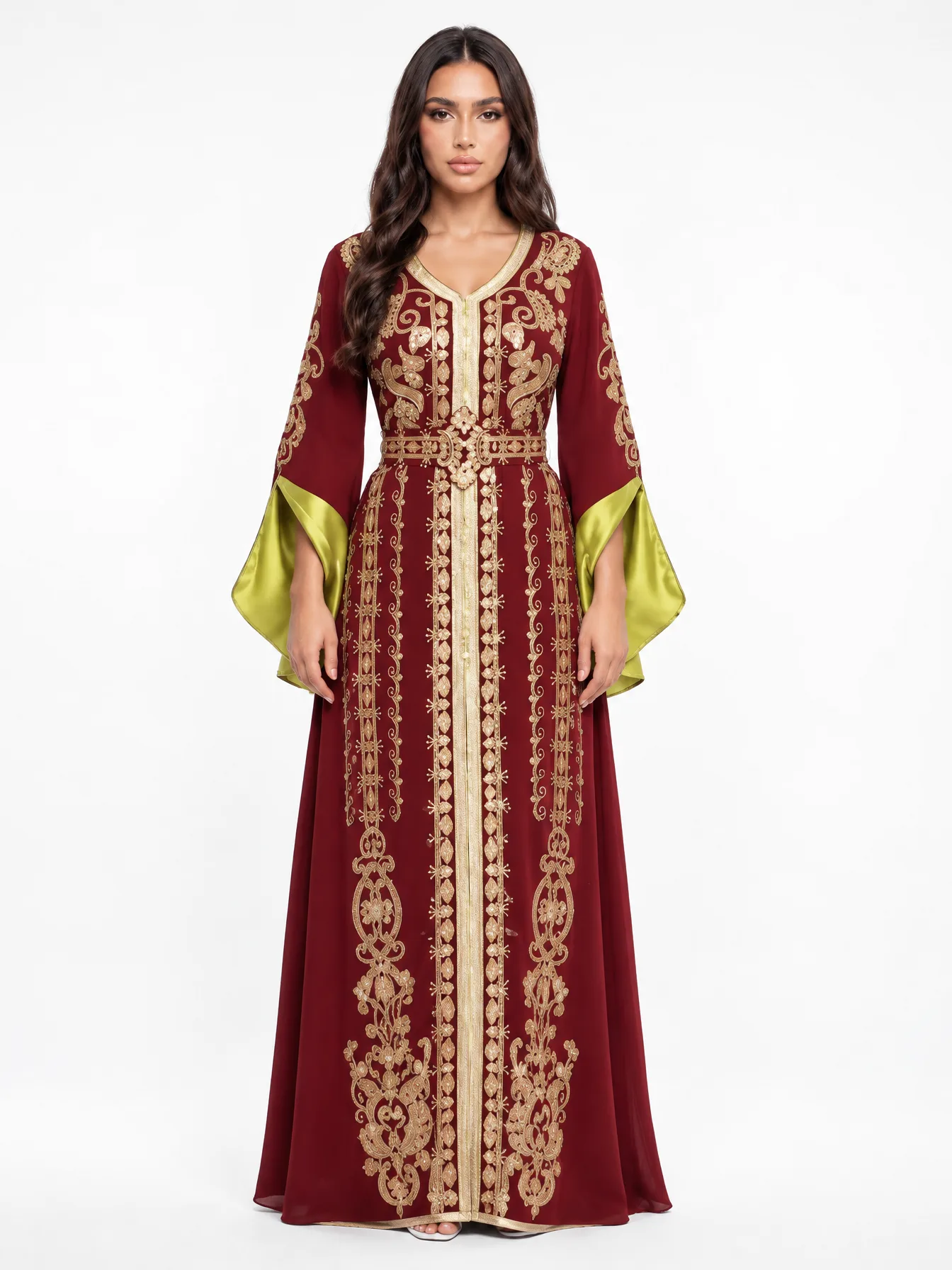
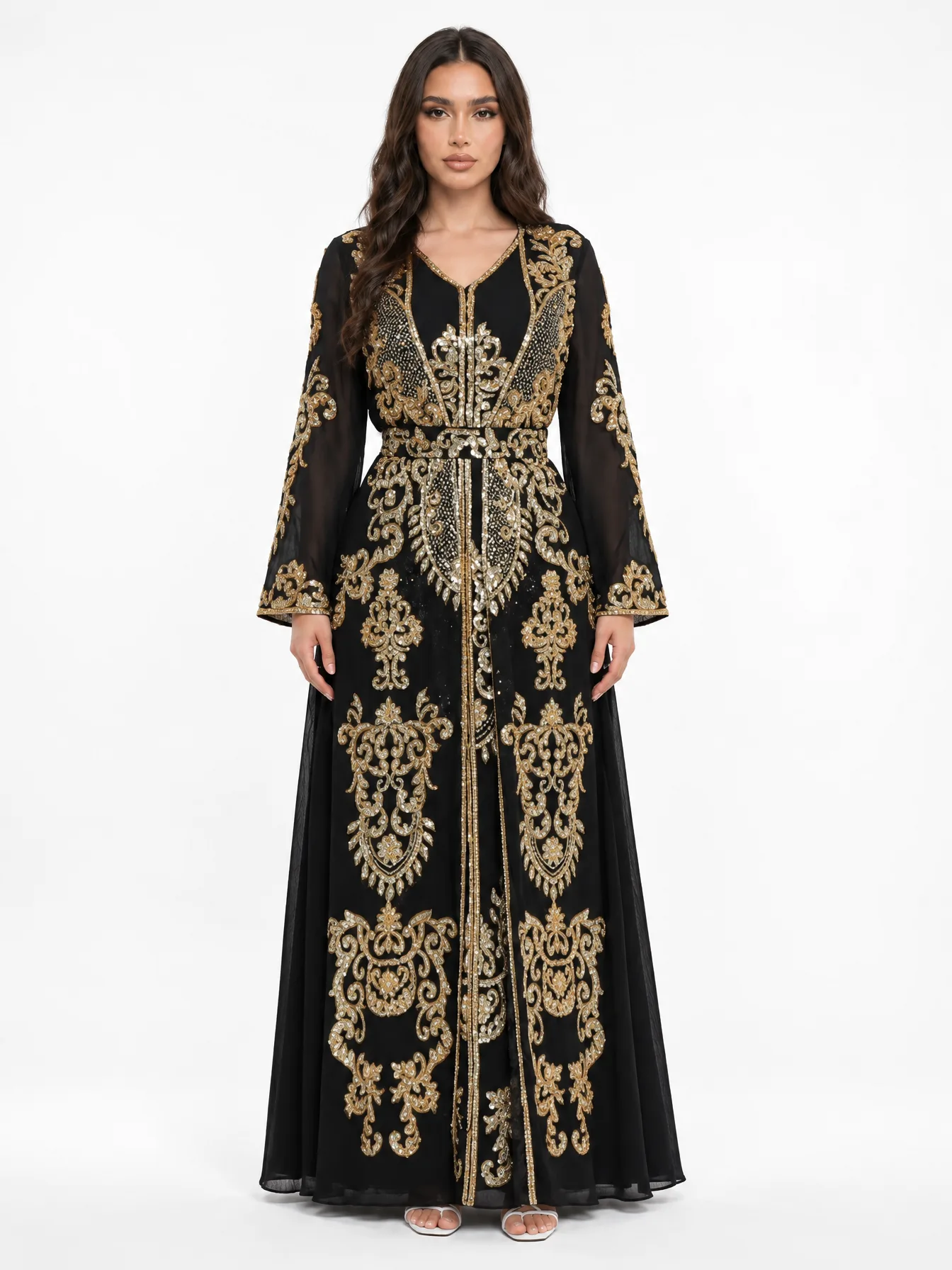
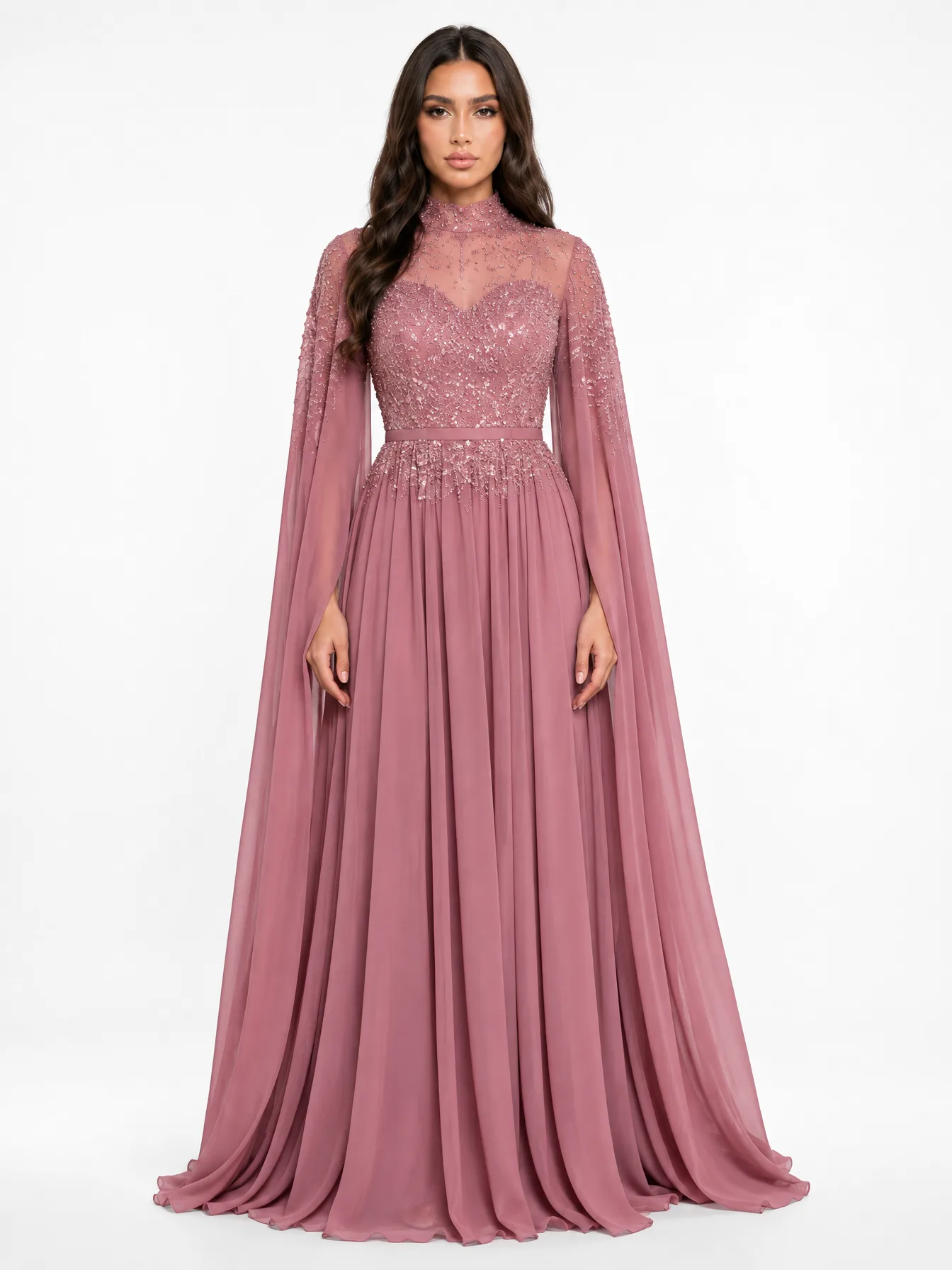
This is the season for long sleeves, high necks and fuller skirts. Kaftans, such as the embroidered Arabic kaftan or the two-piece hand-beaded kaftan, suit both iftar and Eid visits, and a covered gown like the beaded chiffon cape gown works for Eid evenings.
Keep one reorder in reserve. Eid al-Fitr is expected on 9 or 10 March, and the last week of Ramadan is often when late shoppers buy. With a 10 to 15 day supplier, a reorder placed by mid-February should land in time. Note that Saudi Founding Day and Kuwait's National Day both fall inside Ramadan in 2027, so plan any national-colour pieces for those markets as part of your Ramadan buy rather than as a separate drop.

When should you buy for Eid al-Adha 2027?
Eid al-Adha is expected on 16 or 17 May, subject to the Dhu al-Hijjah moon sighting, only about ten weeks after Eid al-Fitr. That gap is short, so treat the two Eids as one season with two peaks.
- In the week after Eid al-Fitr: review what sold, by design, colour and size, while the numbers are fresh.
- By early April: place the Eid al-Adha order, leaning on the colours and sizes that sold out in March.
- By late April: have it photographed and online, because shoppers start buying in the first days of Dhu al-Hijjah.
May is warm across the Gulf, so lighter fabrics and less layering tend to be easier to sell than heavy velvet. The expected UAE public holiday for Arafat Day and Eid al-Adha runs from 15 to 18 May, and some families use the break to travel, so pieces that pack well are worth including.
What should a boutique do in the summer months?
For many Gulf boutiques, June to August is the quietest stretch of the year: the heat thins the event calendar and many families travel. Check your own sales history before you assume it, but use the slower weeks for work that pays off later.
- Clear the season: move remaining Eid stock with bundles or private offers to regular clients. Dubai's retail calendar runs a summer sales festival, Dubai Summer Surprises, so expect shoppers to be hunting for discounts.
- Reshoot and relist: update photos and size notes on pieces you will carry into autumn.
- Sample for autumn: order single pieces of new designs to check fit and finish before committing to a full size run.
- Place the wedding-season order: aim to have it confirmed by the end of July and landed by the end of August.
How should you plan for wedding season and the National Days?
Many Gulf boutiques treat the cooler months, roughly October to April, as the main wedding season, with Ramadan as a pause in the middle. Stock for it should be online from September, which is also when Saudi National Day falls on 23 September.
The National Days then cluster at the end of the year. Oman's falls in late November, then come the UAE on 2 and 3 December, Bahrain on 16 and 17 December and Qatar on 18 December, with the Dubai Shopping Festival usually starting in early December. Order National Day and festive pieces by early November, and confirm the official holiday dates as each government announces them.
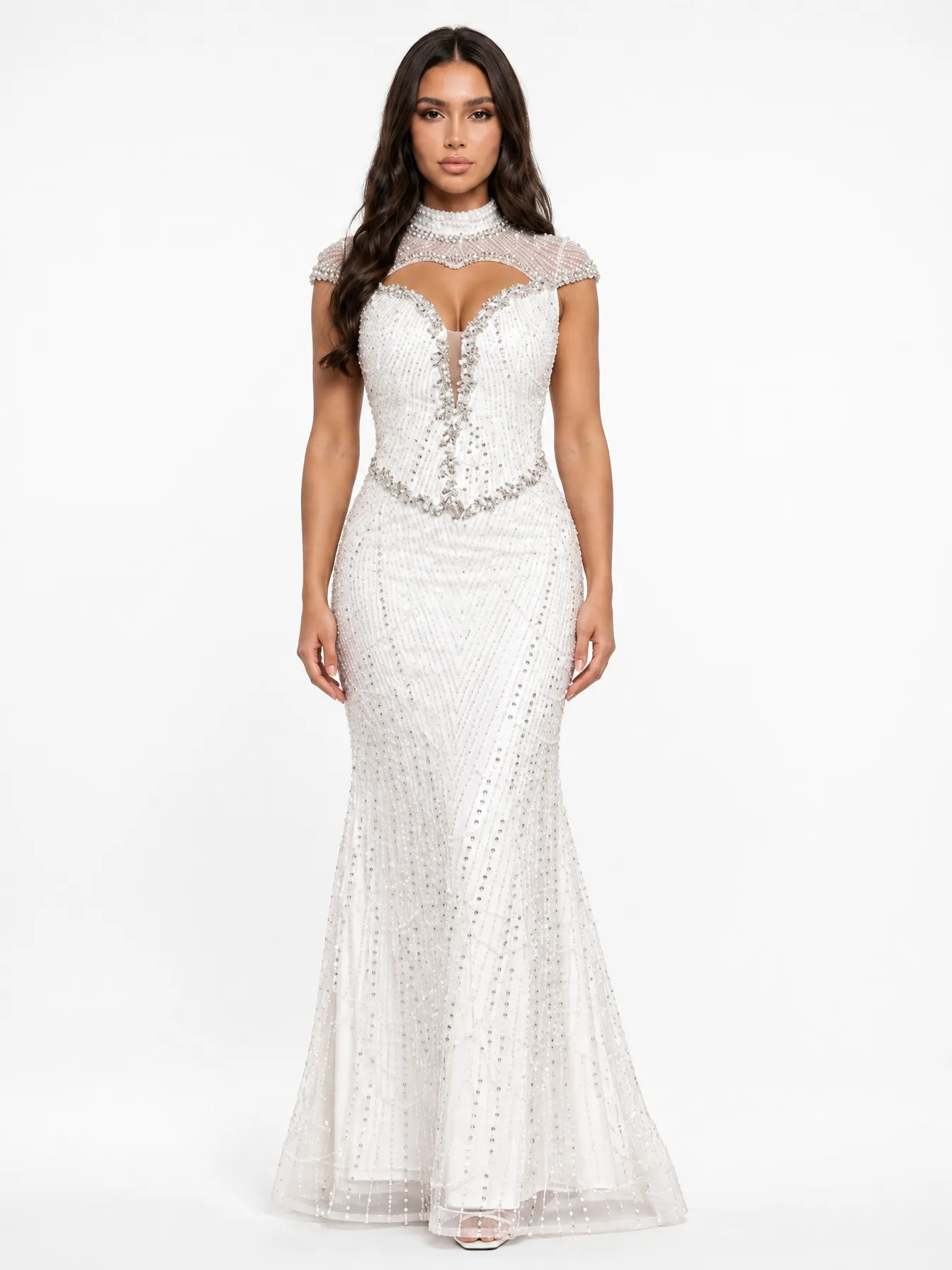
Flag colours guide the national-day edit: red, green, white and black for the UAE and Kuwait; green and white for Saudi Arabia; maroon and white for Qatar; red and white for Bahrain and red, white and green for Oman. Evening wear does not need to be literal; a red or emerald gown, such as the hand-beaded crystal collar gown, reads as festive without looking like a costume. Our shopper guide to National Day and New Year's Eve outfits shows how customers think about it.

What does the full 2027 buying checklist look like?
- November 2026: place the main Ramadan and Eid al-Fitr order.
- December 2026: National Days and the Dubai Shopping Festival are selling; check Ramadan stock as it lands.
- Mid-January 2027: Ramadan and Eid stock photographed and online.
- Mid-February: last reorder for Eid al-Fitr with a 10 to 15 day supplier.
- Mid-March: review Eid al-Fitr sales.
- Early April: place the Eid al-Adha order.
- Late April: Eid al-Adha stock online.
- June to July: clear stock, sample new designs, confirm the wedding-season order by the end of July.
- August: wedding-season stock landed and photographed.
- September: wedding-season edit online; Saudi National Day on 23 September.
- Early November: order National Day and festive pieces; start planning Ramadan 2028.
How can tiered pricing help you stage orders through the year?
A calendar with three or four buying waves works best with a supplier that does not force a large minimum order each time. Lianora's ladder is one example: full price for one or two pieces, 10% off from three, 25% off from six and 35% off from ten, with no minimum. A boutique could order single samples in summer, a main run of ten or more for Ramadan, and smaller reorders of three to six pieces before each Eid.
Other suppliers work on fixed minimums per design or per colour, which can suit a boutique with high volumes and steady sizes. Compare the real cost of each approach, including unsold stock, before choosing. Our guide to minimum orders and tiered wholesale pricing walks through the arithmetic, and delivery and returns sets out Lianora's terms.
Questions
When is Ramadan 2027 expected to start?
The UAE's Astronomy Centre expects Ramadan 2027 to begin on Monday 8 February. The date is confirmed only after the crescent moon is sighted, so it can move by a day. Plan stock as if it starts on 8 February and keep a few days of slack.
How early should a boutique order Eid al-Fitr 2027 stock?
Most Eid shopping happens during Ramadan, so stock should be online by mid-January. That usually means ordering in November or early December 2026, depending on your supplier's lead time. A smaller reorder by mid-February covers late shoppers.
Which GCC National Days fall in December?
The UAE marks Eid Al Etihad on 2 and 3 December, Bahrain its National Day on 16 and 17 December and Qatar its National Day on 18 December. Oman's falls in late November, Saudi Arabia's on 23 September and Kuwait's on 25 February. Days off are confirmed by each government every year.
How long does Lianora take to deliver to a boutique?
Lianora confirms availability within 24 hours of an order and delivers to the UAE and the rest of the GCC in 10 to 15 days from confirmation. Customs duties and taxes on delivery are covered. Orders can be changed or cancelled free within 24 hours.
Sources
- Khaleej Times: When will UAE celebrate Ramadan, Eid Al Fitr, Eid Al Adha in 2027? Likely dates revealed
- Gulf News: UAE public holidays 2027, full list of expected dates and long weekends
- Gulf Business: Public holidays in the GCC, national days and closures (2025)
- Gulf News: National Day holidays announced in Oman for public and private sectors
- Gulf News: Kuwait declares two-day public holiday for National, Liberation Day
- Gulf News: Dubai Shopping Festival 2025 to kick off on December 5
- Dubai Media Office: Dubai unveils 2025 retail calendar