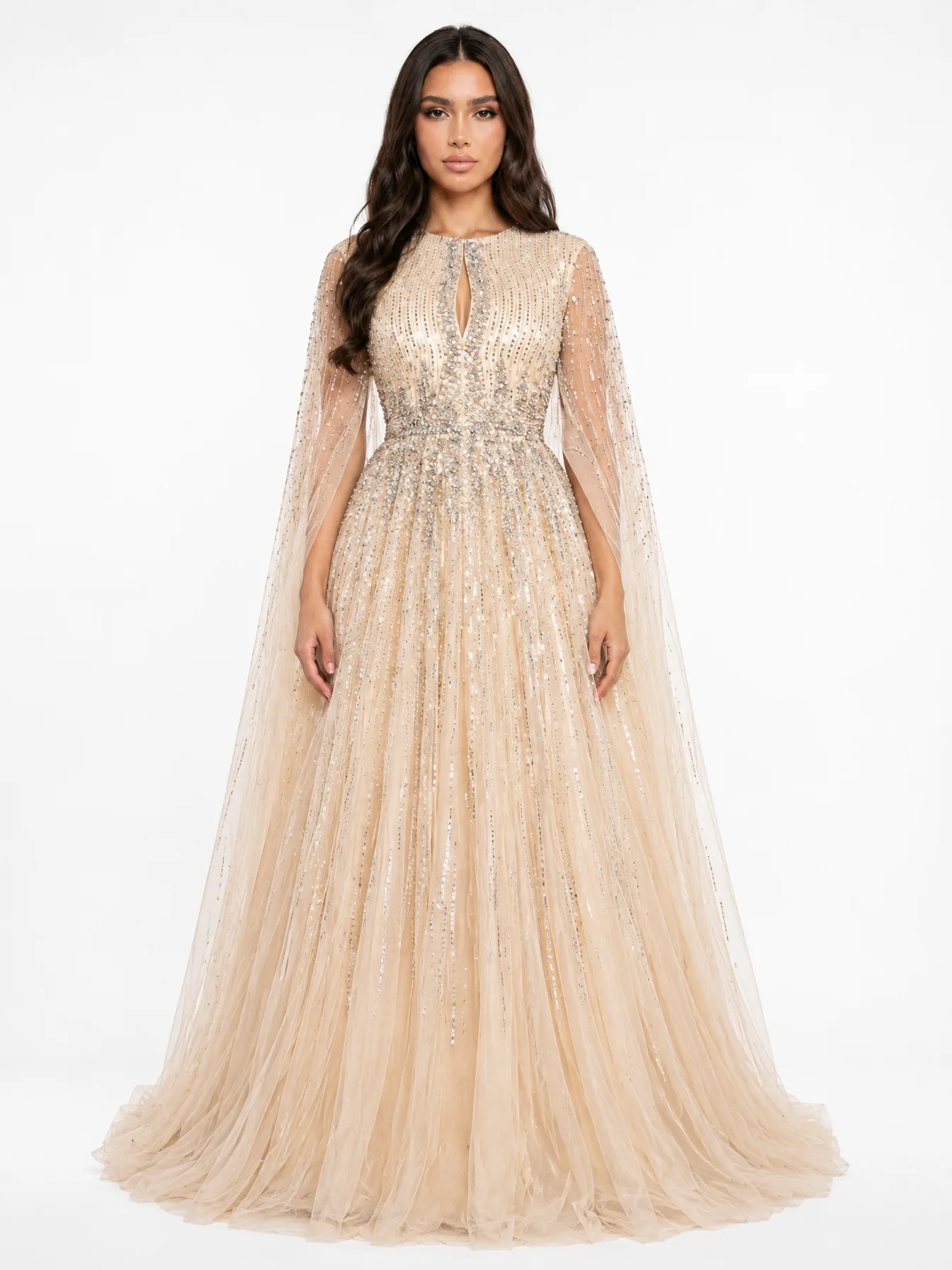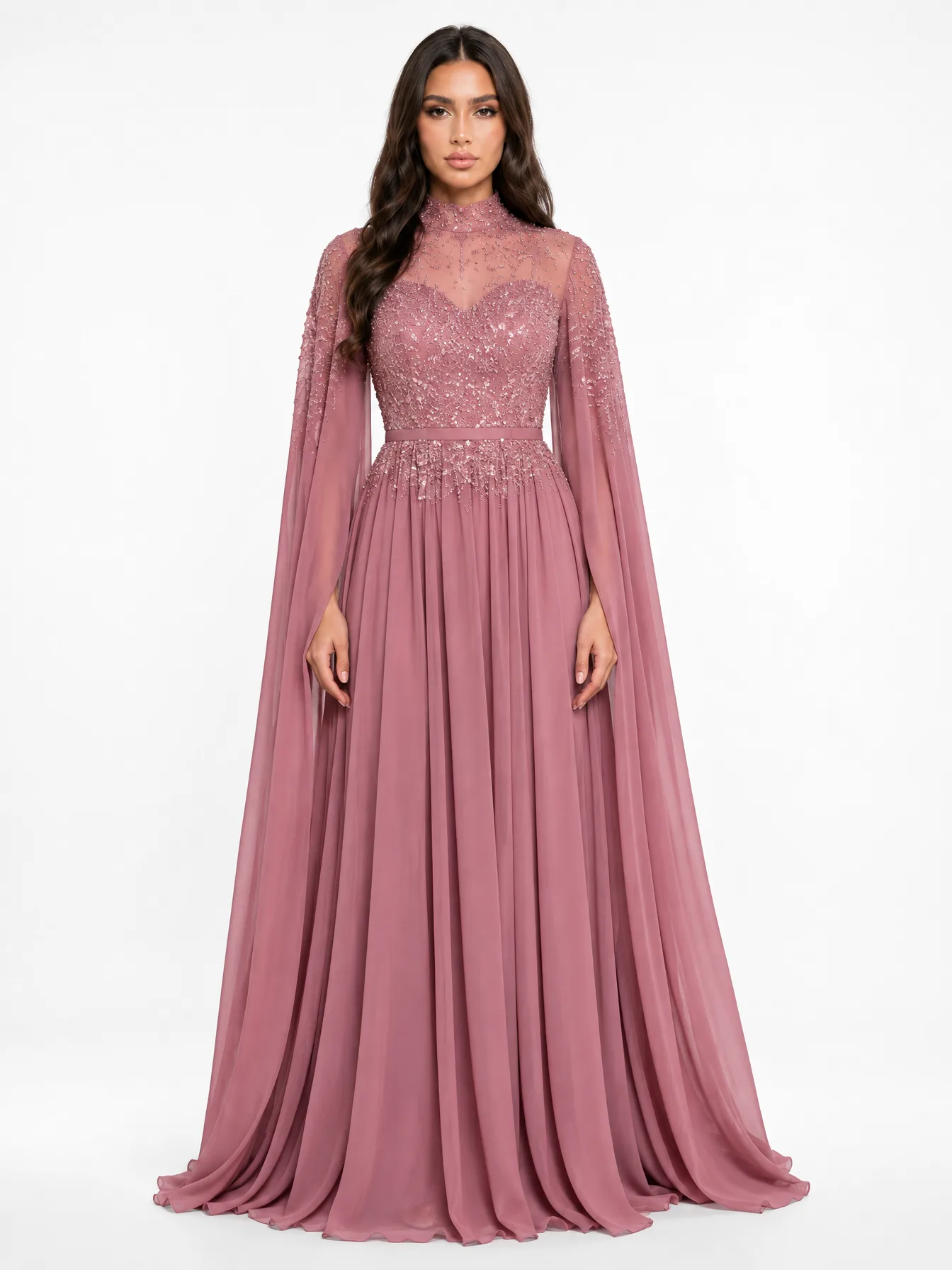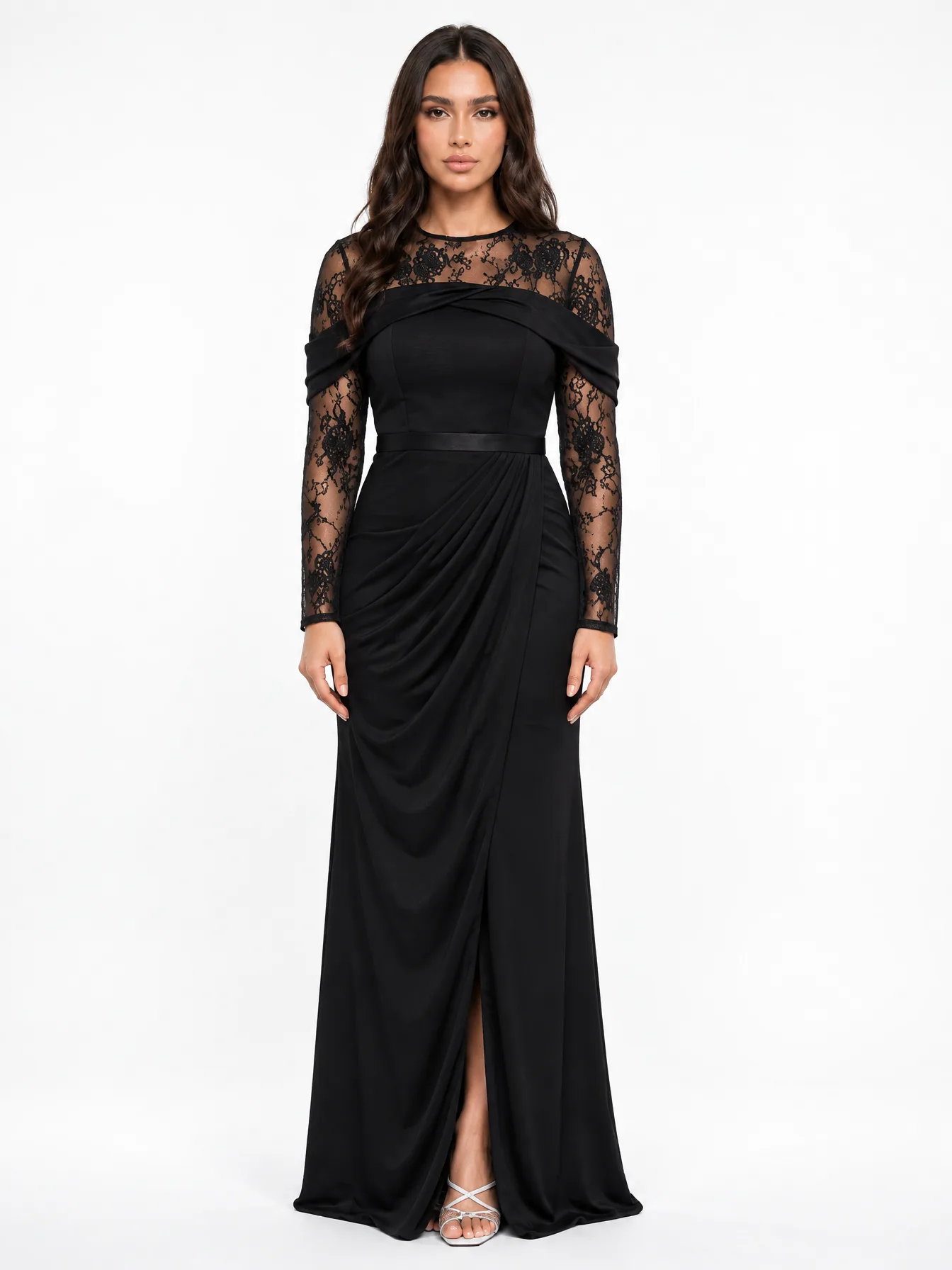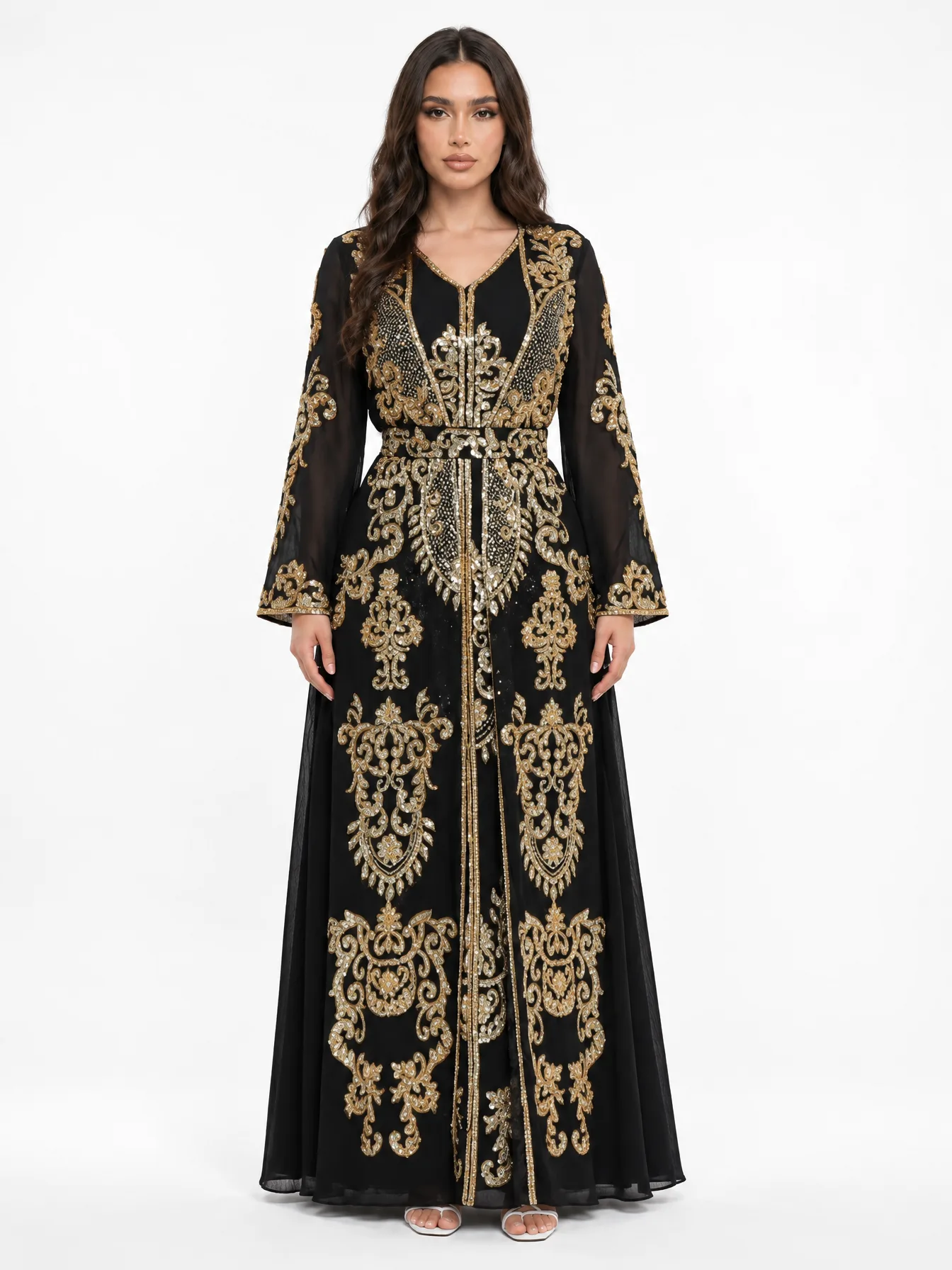

To keep customers happy when dresses come from a supplier, work backwards from the event date. Subtract the time for alterations and a safety margin, then the supplier's longest delivery time, then the time it takes to confirm the order. That gives you the latest date the customer can order. Promise her the later end of every range, put it in writing and tell her before she has to ask if anything changes. Most complaints about lateness are really complaints about surprise.
What counts as lead time for an evening dress?
Lead time is the whole gap between a customer saying yes and the dress being ready to wear. For a boutique that orders from a supplier, it has several parts, and each one can slip.
- Confirmation: how long the supplier takes to confirm the piece, size and colour are available.
- Delivery: from confirmation to the parcel arriving with you, including any customs clearance.
- Your handling: unpacking, checking, steaming and either handing over or sending on to the customer.
- Alterations: hemming, taking in or adding cups, if the customer needs them.
- The customer's own margin: time to try the dress with shoes and accessories before the day.
A useful habit is to write each part down for each supplier, with a normal figure and a worst case. Customers only care about the total, but you can only manage the parts.
How do you work out an order-by date?
Count backwards from the event, using the longest figure for each step. Here is a worked example for a wedding on 20 November, with a supplier that confirms within 24 hours and delivers in 10 to 15 days from confirmation, which is how Lianora works across the GCC.
- Event: 20 November.
- Dress ready for the customer to try with accessories: 17 November (3 days' margin).
- Alterations: allow 10 days, so the dress must reach the tailor by 7 November. Ask your tailor for their real turnaround.
- Delivery: up to 15 days, so the supplier must confirm by 23 October.
- Confirmation: up to 24 hours, so the order must be placed by 22 October.
Tell the customer to order by 20 October. The two spare days absorb a weekend or a slow reply. If she needs no alterations, the date moves later, but say so only once you have seen the dress on her.
Use the same method for every design and keep a simple table of order-by dates for the main event dates your customers mention.

Which dresses should you stock and which should you pre-order?
Hold stock where waiting would lose the sale, and pre-order where choice matters more than speed.
- Stock: your best-selling designs in the core sizes and colours, plus a few pieces that suit last-minute guests. These are the dresses people need this week.
- Pre-order: less common sizes, colours you sell rarely, bridesmaid groups and anything for an event more than a month away.
For stocked designs, keep a small reserve so you do not run out while a reorder is on its way. A common rule of thumb for this safety stock, explained by Shopify, is: maximum daily sales times the longest lead time, minus average daily sales times the average lead time.
As an example, if a design sells 0.3 pieces a day on average and 0.6 on a busy day, and your lead time averages 12 days with a worst case of 16, the reserve is 0.6 × 16 minus 0.3 × 12, which is 6 pieces across all sizes. A supplier with no minimum order makes this easier, because you can reorder two pieces rather than twenty. Our guide to planning a size run covers how to split that reserve between sizes.
How should you tell brides and guests when a dress will arrive?
Give a range, say what starts the clock and confirm it in writing.
- Use a range, not a single day: "expected between 3 and 8 November" is honest and still specific.
- Say what starts the clock. Delivery times run from confirmation, not from the first enquiry. If a deposit or measurements are needed first, say so.
- Write it in the order confirmation, in Arabic and English if your customer uses both, so nobody relies on memory. In the UAE, consumer protection rules expect key terms and invoices to be available in Arabic.
- Send updates at fixed points: order confirmed, dispatched, arrived with you, ready. A one-line message at each step prevents most "any news?" chats.
Brides in particular plan around your dates, so treat the latest date you give as a promise. Your delivery and returns page is the right place to state your usual times, so customers see them before they ask.
How much time should you leave for alterations?
Ask your tailor, then add a margin. Turnaround depends on the work and the season. A simple hem on chiffon is quick; shortening a beaded or sequinned skirt means removing and resewing embellishment by hand and takes much longer.
- Get each tailor's normal and busy-season turnaround in writing.
- Book the fitting as soon as the dress arrives, not when the customer is free in a fortnight.
- Allow at least one second fitting for anything structured, such as a corset bodice.
- Never plan the final fitting in the week of the event.
Check fit before anything is cut. Many suppliers do not exchange altered pieces, so the customer should try the dress and be sure of the size before alterations start. If you do not offer alterations yourself, a reliable partner is worth more than a cheap one; see alterations partnerships for boutiques.

When do Gulf peak seasons stretch lead times?
Demand for evening wear bunches around Ramadan and the two Eids, the wedding season and the end-of-year celebrations, and so do tailors' queues and courier volumes. Plan for longer real-world times in those weeks even if your supplier's quoted times do not change.
Islamic holidays add uncertainty. As the UAE government portal notes, their dates are determined by moon sighting, so the exact day is confirmed only shortly before, and Eid al-Fitr begins a day later if Ramadan lasts 30 days rather than 29. Give customers order-by dates that would still work if the holiday came a day early, and expect offices and couriers to slow over the holiday itself.
A simple habit helps: in the month before each peak, move every order-by date you quote a week earlier, and tell regular customers the new dates before they ask.
What should you do when a dress is running late?
Act on the day you know, not the day it was due. A customer who hears early has options; one who hears late has only a problem.
- 1. Confirm the facts with your supplier: where the parcel is and the realistic new date.
- 2. Tell the customer the same day, with the new date and what you are doing about it. Do not wait for her to ask.
- 3. Offer a choice where you can: a similar design in stock, the same design in another available colour, or cancelling under the terms you agreed.
- 4. If alterations are needed, warn your tailor and ask for a priority slot.
- 5. Write down what went wrong and adjust your buffers for that supplier or season.
Keep the tone calm and specific. "Your dress has left the supplier and is due with us on Thursday; we have booked your fitting for Saturday" reassures far more than an apology without dates.
Questions
What is a normal delivery time for evening dresses ordered from a supplier?
It varies widely by supplier, origin and whether the piece is in stock or made to order. Ask each supplier for a written range from confirmation to delivery, and for their worst case. Lianora, for example, delivers to the UAE and the rest of the GCC in 10 to 15 days from confirmation.
Should I tell customers my supplier's delivery time or my own?
Always your own: the supplier's longest time plus your handling, any onward delivery and a buffer. The customer's contract is with you, so the date you give must include every step between her order and the dress in her hands.
How far ahead should a bride order bridesmaid and family dresses?
Earlier than for a single dress, because a group needs every size confirmed and every alteration done. Work out the order-by date for the slowest member of the group and add extra margin. Our guide to bridesmaid group orders sets out the steps.
Can a customer change her order after it is confirmed?
It depends on your terms and your supplier's. Some suppliers allow free changes within a short window; Lianora allows free cancellation or changes within 24 hours of ordering. Pass the same window on to your customers, minus the time you need to contact the supplier.