For boutique owners: sourcing, pricing, stocking and selling evening wear across the Gulf.
The 2027 evening-wear directions that suit Gulf customers, drawn from the spring 2027 shows, couture week and WGSN, and how to turn them into stock.
A month-by-month 2027 buying plan for Gulf evening-wear boutiques, with order-by dates for Ramadan, both Eids, the National Days and wedding season.
How the UAE and Saudi evening-wear markets differ for boutiques: size, shoppers, modesty, weddings, online sales, VAT at 5% versus 15% and language.
Work back from the event date through alterations, the longest delivery and confirmation, then promise the later date in writing and keep customers updated.
Courier, air or sea from Turkey to the Gulf: transit times, the documents customs expects, duty and VAT, the UAE–Türkiye trade deal and how to pack gowns.
How Gulf evening-wear boutiques can partner with a tailor for hems, taking in and added sleeves, with pricing, lead times, agreements and returns rules.
What the big Gulf marketplaces charge, what they ask of sellers, and whether they suit an evening-wear boutique, compared with selling through your own channels.
Handle a bridesmaid group order with one contact, one measurement form, payment before ordering, a single batch for matching colour and clear exchange rules.
How to plan evening dress colours around Gulf weddings, Ramadan, Eid and National Days, how many colours per design, and how to balance core and fashion shades.
What UAE consumer law says about faulty goods, 'no returns' signs and online sellers, and how to write a clear exchange policy for evening wear.
Photograph evening dresses in soft, even light against a plain background, with the same angles every time, true colour and close-ups of the beading.
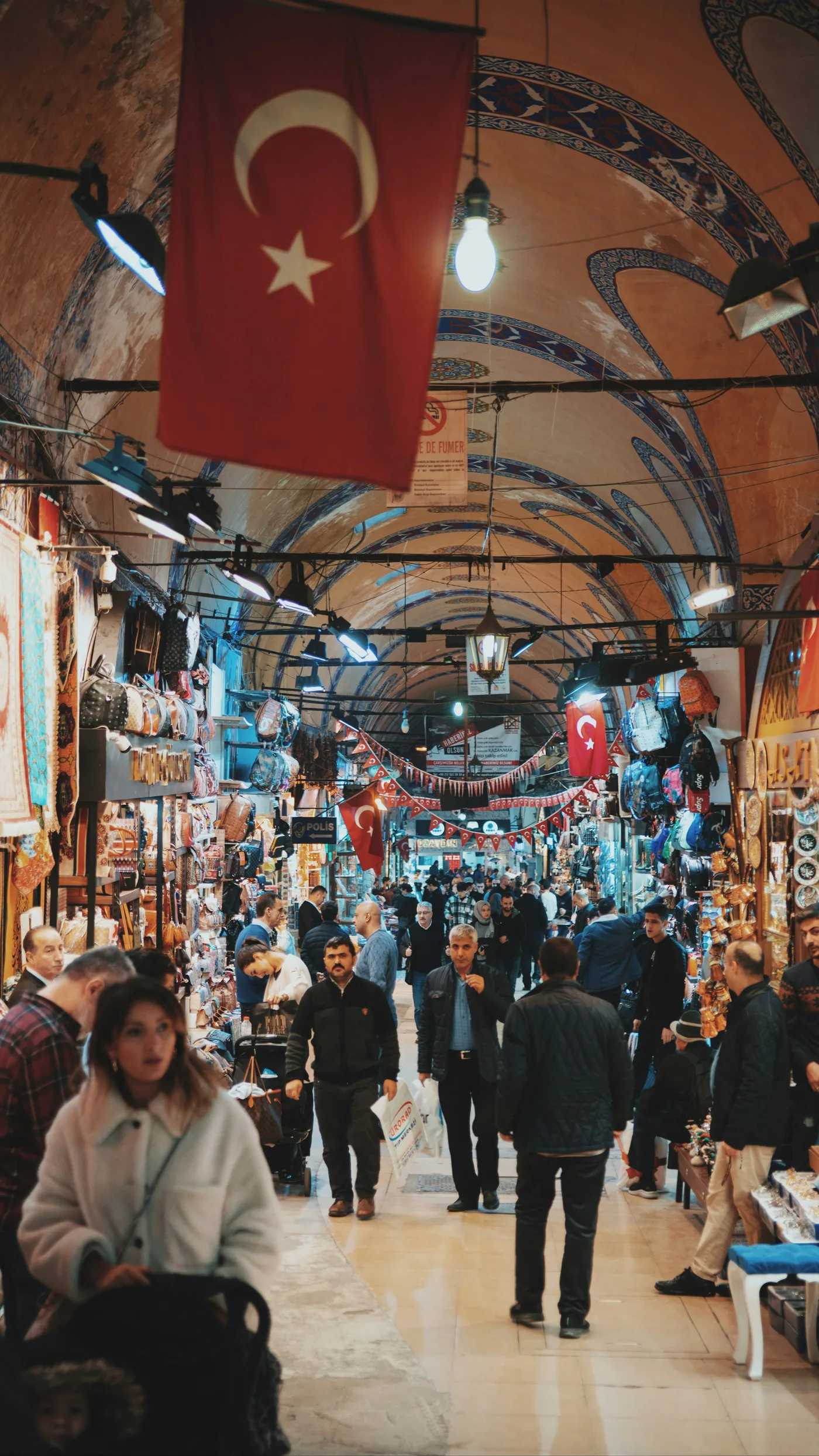
What Istanbul's main wholesale clothing districts sell, how their prices compare, which suits an evening-wear boutique, and how buyers order, pay and ship to the Gulf.
How Gulf boutiques can sell evening dresses on Instagram and WhatsApp: posts that sell, clear prices, safe deposits and the UAE advertiser permit.
UAE VAT is 5%. Boutiques must register above AED 375,000 a year, may register from AED 187,500, and must show VAT-inclusive prices. The rules explained.
Clothing from outside the GCC usually pays 5% customs duty on its CIF value at the first Gulf port of entry, with import VAT on top. How it works for boutiques.
Group modest evening wear by occasion, style it with capes and abayas, photograph coverage clearly, and label sleeves and necklines so customers can filter.
How fibre and fabric choice affect evening wear durability, returns, steaming and storage, and how to read labels and quality signals before you buy.
How many of each size to stock: build a size curve from your sales, map it onto standard sizes, plan colours by size, and reorder without overbuying.
Yes. The licence options for selling clothes online from home in Dubai, Abu Dhabi and Sharjah, what they cost, who qualifies, and the advertiser permit and VAT rules.
A buyer's checklist for evening dress samples: seams, lining, boning, zips, beadwork, symmetry, fabric, labels and measurements, plus what to ask the supplier.
Turn a wholesale price into a shelf price: keystone markup, landed cost, margin versus markup, markdowns and VAT-inclusive pricing in the GCC, with worked sums.
Mainland or free zone, shop or online: the licences a UAE evening wear boutique needs, who issues them, and what to research before you spend.
What a minimum order quantity is, why suppliers set one, how tiered wholesale pricing works, and a worked example for deciding how many dresses to buy.
The four routes to Turkish evening wear for a GCC boutique, from İzmir's trade fair to Istanbul's districts, with samples, minimums, payment and duty explained.