Yes. Selling clothes through Instagram, WhatsApp or TikTok in the UAE is a commercial activity and needs a trade licence, just as a shop does. The good news is that each emirate offers a low-cost, home-based option for individuals, such as Dubai's e-Trader licence, and free zones offer company licences for e-commerce. This guide sets out the main routes, what they cost, who qualifies, and the other rules that apply once you start selling. Always confirm the details with the issuing authority before you apply.
Why do you need a licence to sell on social media?
Because the law treats an online shop as a shop. Federal Decree-Law No. 14 of 2023 on Modern Technology-based Trade governs selling goods and services through websites, platforms, social media and apps. A July 2024 summary by the consultancy Dezan Shira's Middle East Briefing lists the trader's obligations under it: hold the required permits and licences, keep secure systems that protect customer data, avoid deceptive marketing and false product information, and issue detailed digital invoices for purchases.
The same summary notes that every e-trade licence also requires a no-objection certificate from the Telecommunications and Digital Government Regulatory Authority (TDRA). In practice, the licensing authority usually handles this as part of the application.
A licence also makes the business practical: banks and payment gateways generally ask for one before they will process card payments, and many couriers and marketplaces require it to open a business account.
What is Dubai's e-Trader licence?
The e-Trader licence, issued by Dubai's Department of Economy and Tourism (DET), is designed for individuals selling online from home. An April 2026 guide by the business set-up firm Virtuzone describes it as follows:
- Cost: about AED 1,070 in DET fees plus AED 300 for Dubai Chamber membership, around AED 1,370 in government costs at issue.
- Who: individuals only, not companies or partnerships. UAE nationals and GCC nationals living in Dubai are clearly eligible; expatriate residents should check eligibility with DET directly.
- What: goods and services sold online from home, including garments, through social media, messaging apps or marketplaces. It includes a customs client code for importing.
- Limits: no shop or customer-facing premises, no visa sponsorship and no shareholding partners.
Application is online through the Invest in Dubai portal. Virtuzone notes that you move to a full e-commerce licence, as a new application, once you need staff, premises, a partner or turnover near the VAT threshold.
What are the options in Abu Dhabi, Sharjah and the free zones?
Each emirate has its own scheme, and eligibility differs.
- Abu Dhabi, eTajer: Middle East Briefing describes it as a licence that can be added to an existing one or issued new, open to UAE nationals, GCC nationals and residents under certain legal forms, covering more than 1,000 activities that do not need a physical office.
- Abu Dhabi, freelancer licence: The National reported on the emirate's freelancer licence, which lets individuals run a business from home or another authorised location. Check whether clothing retail is on its activity list, as many listed activities are services.
- Sharjah, Eitimad: a home-based and social-media business licence for UAE nationals aged 18 and over living in Sharjah, which does not allow hiring staff, according to the same Middle East Briefing summary.
- Free zones: e-commerce-focused zones such as Dubai CommerCity offer company licences with full foreign ownership, often the route for expatriates who want to own their business outright.
The government portal for each emirate, such as TAMM in Abu Dhabi, is the place to confirm current fees and eligibility.
How to choose: if you are a UAE or GCC national starting small from home, your emirate's home-based licence is usually the cheapest start. If you are an expatriate, want a partner, plan to hire staff or expect to grow quickly, a free-zone or mainland e-commerce company is usually the better long-term structure, even though it costs more on day one.
Do you need the UAE advertiser permit too?
Probably not for your own shop, but check. On 30 July 2025 the UAE Media Council launched an Advertiser Permit for individuals who publish promotional content on social media, paid or unpaid, as reported by WAM and The National. Gulf News reported that from 1 February 2026 individuals advertising on social media must hold a valid permit, and that fines for breaking social media advertising rules can reach AED 1 million.
Khaleej Times' FAQ on the permit explains the key distinction for boutiques: businesses promoting only their own business or project do not need it, but anyone you pay or ask to promote your products does. The permit is valid for one year, renewable, and its fees were waived for the first three years.
So: posting your own dresses on your licensed shop's account is covered by your trade licence. Hiring an influencer, or having a friend post sponsored content for you, means checking that they hold a permit.
What other rules apply once you start selling?
A licence is the start, not the end. A few obligations follow you as soon as you take orders:
- VAT: registration becomes mandatory once taxable sales pass AED 375,000 in 12 months. Our guide to UAE VAT basics for boutiques explains the thresholds and what changes on registration.
- Consumer protection: clear prices, honest product descriptions and a published returns and exchange policy. Our guide to returns and exchanges for UAE boutiques covers what the law requires.
- Invoices: the 2023 e-commerce law expects detailed digital invoices for online purchases.
- Customs: importing stock for resale is a commercial import. Our guide to customs duty on garments into the GCC explains duties and documents.
- Customer data: keep order details, addresses and phone numbers secure, and do not share them.
Where Lianora fits
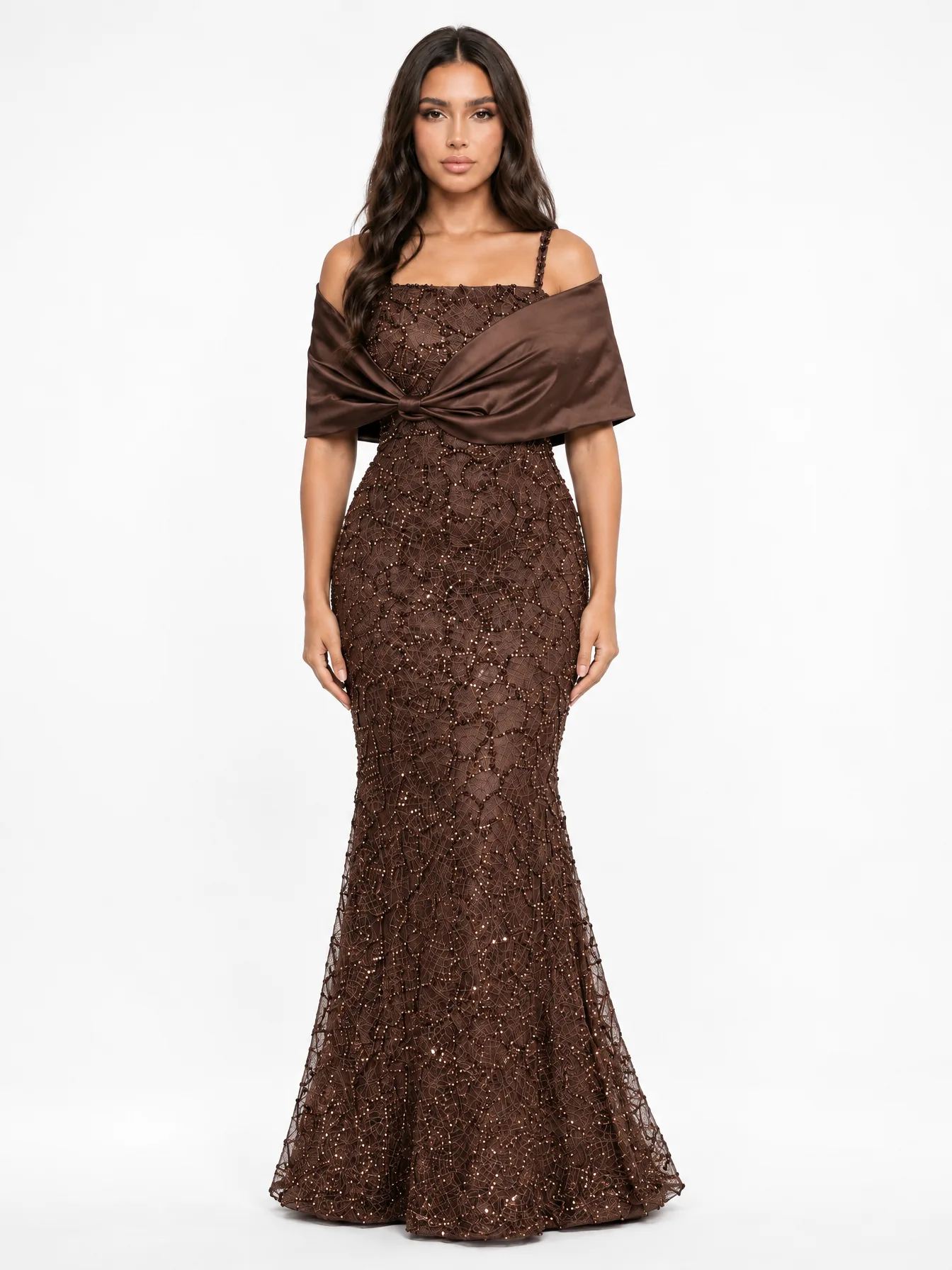
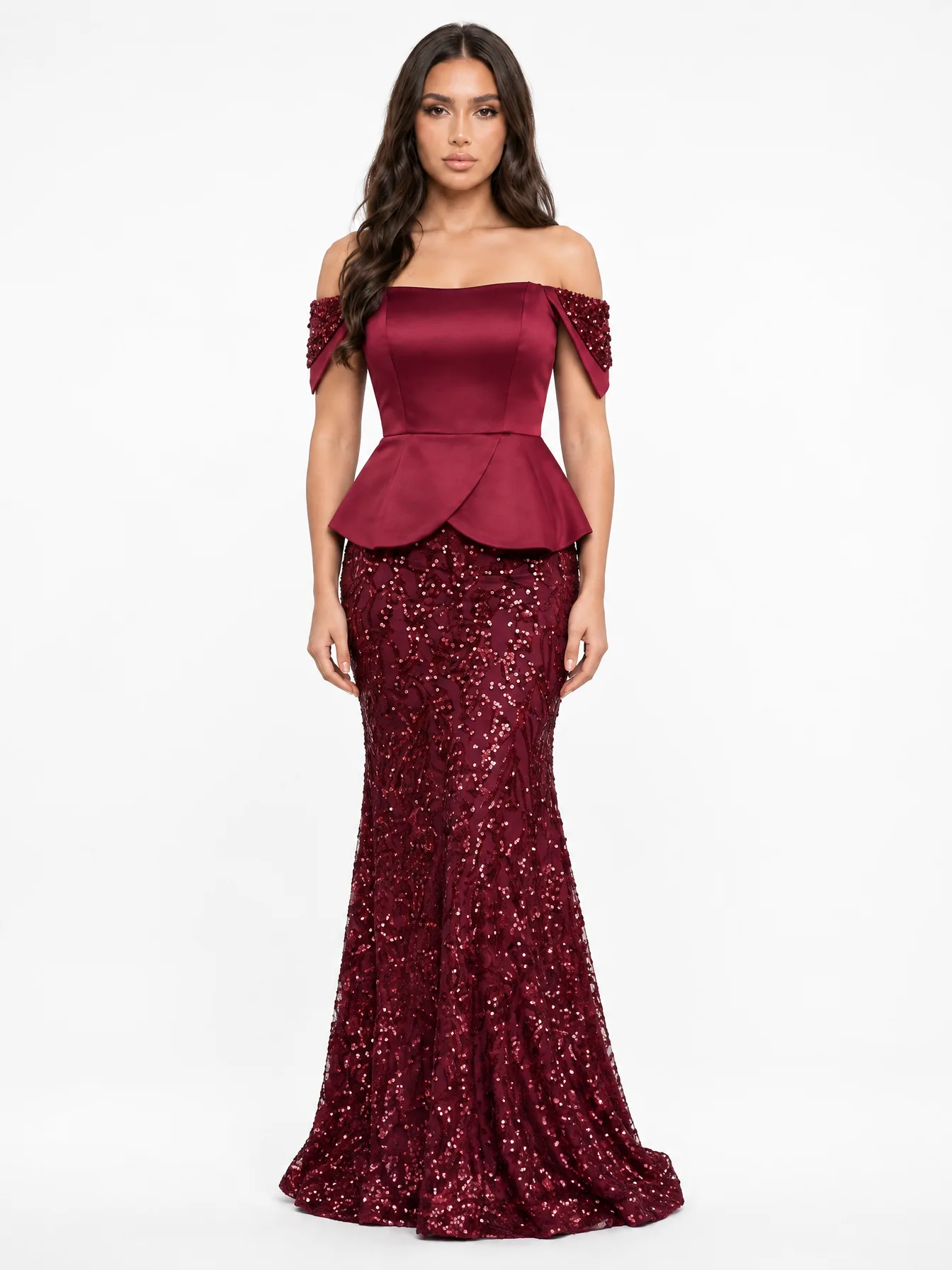
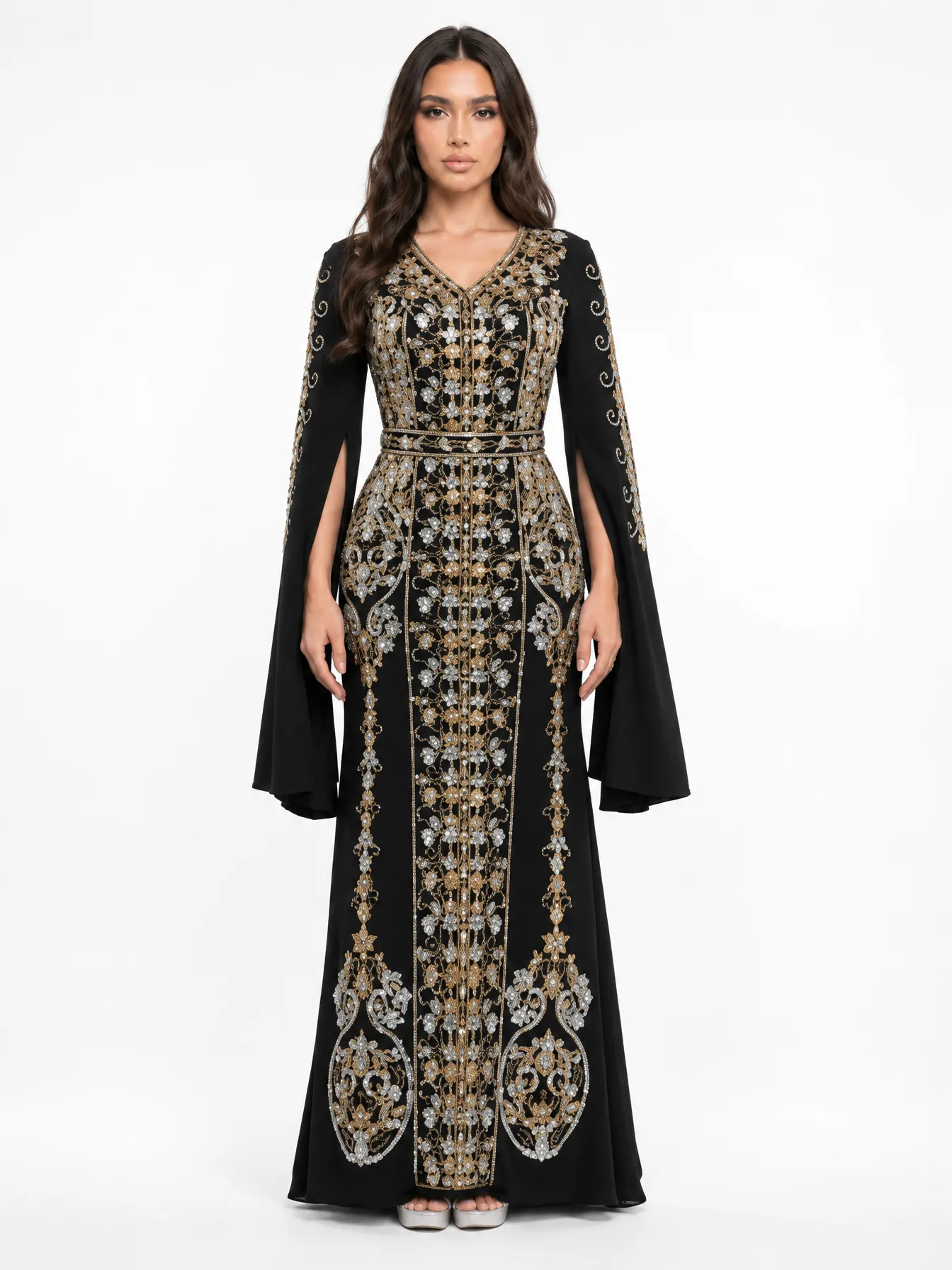
Once your licence is in place, stock is the next question. Lianora supplies boutiques across the Gulf with evening and bridesmaid dresses from established Turkish ateliers, with no minimum order: the price per piece steps down at 1, 3, 6 and 10 pieces per colour. Delivery across the UAE and the GCC takes 10–15 days from the confirmed order, and Lianora pays the customs duties and taxes, so you are not handling a commercial import yourself. Read ordering and payment for how it works, or browse the evening dresses.
Questions
How much is an e-Trader licence in Dubai?
About AED 1,370 in government costs at issue, according to an April 2026 guide: AED 1,070 in DET fees plus AED 300 for Dubai Chamber membership. Confirm current fees on the Invest in Dubai portal.
Can expats get an e-Trader licence?
The licence is clearly open to UAE and GCC nationals living in Dubai; sources disagree about expatriate residents, so check with Dubai's Department of Economy and Tourism. Free-zone e-commerce licences are a common alternative for expats.
Do I need an advertiser permit to post my own products?
Not if you are only promoting your own licensed business, according to Khaleej Times' guide to the Media Council's rules. Anyone you pay to promote your products needs their own permit.
Sources
- Middle East Briefing (Dezan Shira): UAE e-commerce regulation and licensing requirements (July 2024)
- Virtuzone: e-Trader Dubai licence fees, eligibility and permitted activities in 2026 (April 2026)
- The National: All you need to know about Abu Dhabi's new freelancer licence
- WAM: UAE Media Council launches Advertiser Permit to regulate individual promotional content (July 2025)
- Khaleej Times: New advertiser permit — who needs it, validity and FAQs (August 2025)
- Gulf News: Advertiser Permit now mandatory for influencers and creators on social media