
Noon, Amazon.ae and Namshi can put a boutique in front of millions of Gulf shoppers, but they take a commission on every sale, set many of the rules, and favour low prices and fast delivery. For evening wear, where pieces are expensive, fit matters and photos have to be excellent, they usually work best as an extra channel alongside your own Instagram, WhatsApp and website, not as a replacement. Here is what each platform involves, based on the figures sellers and integrators publish.
What do the marketplaces charge?
None of the three publishes a simple public rate card for fashion, and fees change, so treat these as starting points and confirm in each seller portal.
- Noon: third-party calculators put Noon's fashion referral fees at around 12–15% for items fulfilled by Noon, within a general range of about 5–20% by category; other guides quote 4% to 27% depending on the product. Fulfilment by Noon adds per-unit storage and delivery fees, and 5% VAT applies to the platform's fees.
- Amazon.ae: in a seller forum thread, an Amazon staff member described a flat 16% referral fee across fulfilment types for UAE sellers, while Amazon's older Middle East pricing page said referral fees start at 4%, or a minimum of AED 3, and vary by category.
- Namshi: the integration platform ChannelEngine puts Namshi's commission at between 4% and 27% depending on category, with no set-up or monthly fees.
On a AED 1,200 gown, a 15–27% commission is AED 180–324 before fulfilment, returns and advertising. Build that into your price before you list.
What do you need to become a seller?
All three expect a properly set-up business. ChannelEngine's guide to Namshi lists a trade licence or commercial registration, VAT registration, a bank account in the business's name and proof of bank details; Streamoid's seller guide adds an Emirates ID or passport and a brand portfolio with a sample catalogue, and notes that Namshi assesses brand fit. A Dubai business-setup guide on selling through Noon and Amazon.ae makes the same point: the marketplaces check that your licence covers e-commerce before they let you sell.
In practice you will need:
- A trade licence covering online retail. Our guide on whether you need a licence to sell clothes on Instagram in the UAE explains the options.
- VAT registration, if you are above the threshold or the platform requires it. See UAE VAT basics for boutiques.
- Product data: titles, descriptions, sizes, colours, materials and barcodes for each variant.
- Images that meet each platform's rules, usually on a plain background.
How do the three platforms differ?
- Noon is the region's home-grown general marketplace, strong in the UAE and Saudi Arabia, with its own fulfilment network. It also owns Namshi, which ChannelEngine notes was acquired by Noon.
- Amazon.ae brings Amazon's global systems and customer trust, with fulfilment by Amazon available. It is strongest in everyday categories, and shoppers compare prices hard.
- Namshi is fashion-only, which suits a boutique better than a general marketplace. ChannelEngine describes it as having about 4 million monthly active users and 25 million app downloads, with operations across the UAE, Saudi Arabia and Egypt.
For evening wear, Namshi's fashion audience is the most natural fit, but all three are built around ready-to-ship stock, fast delivery and easy returns, which is harder for high-value, made-in-small-runs gowns.
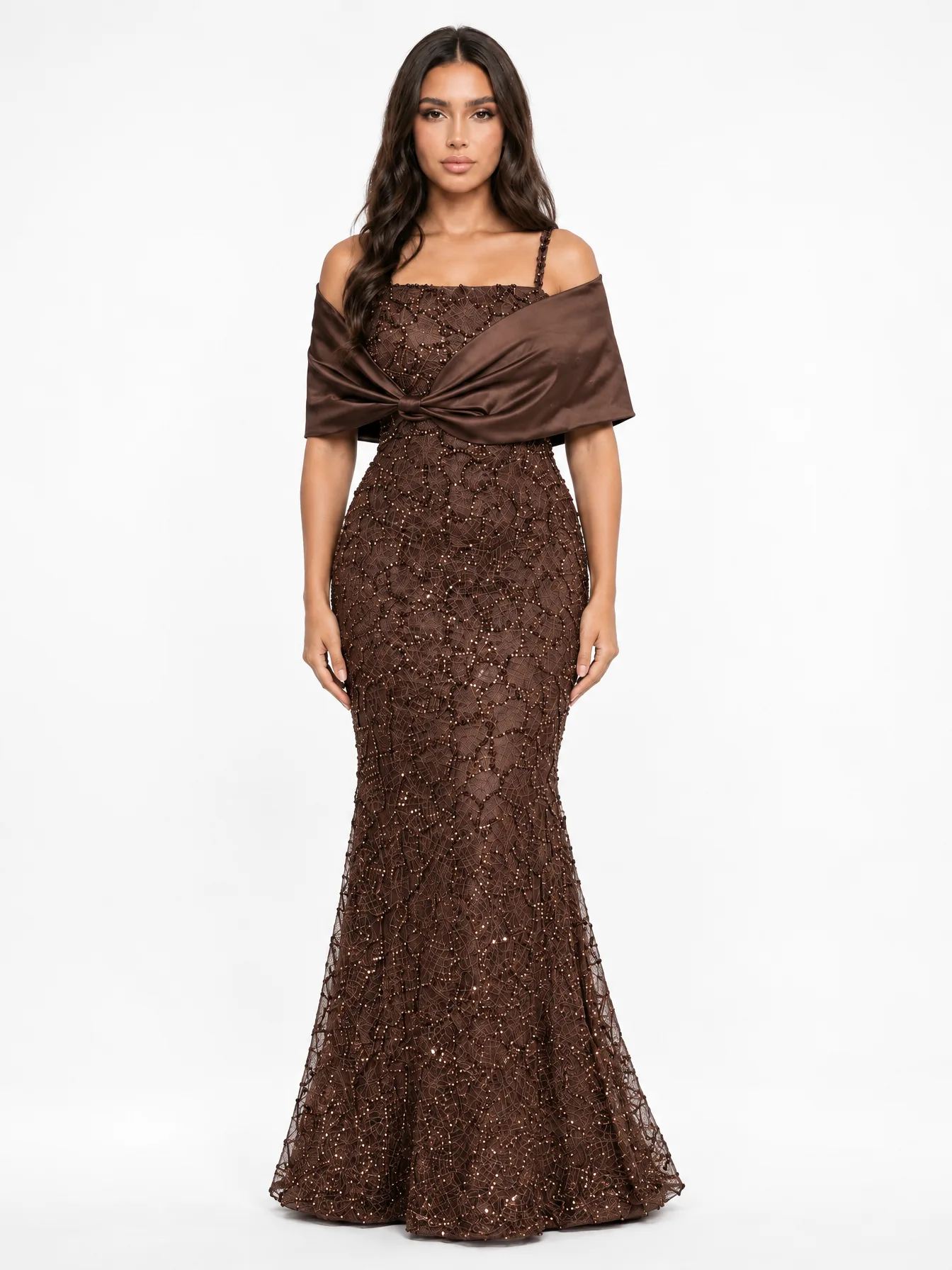
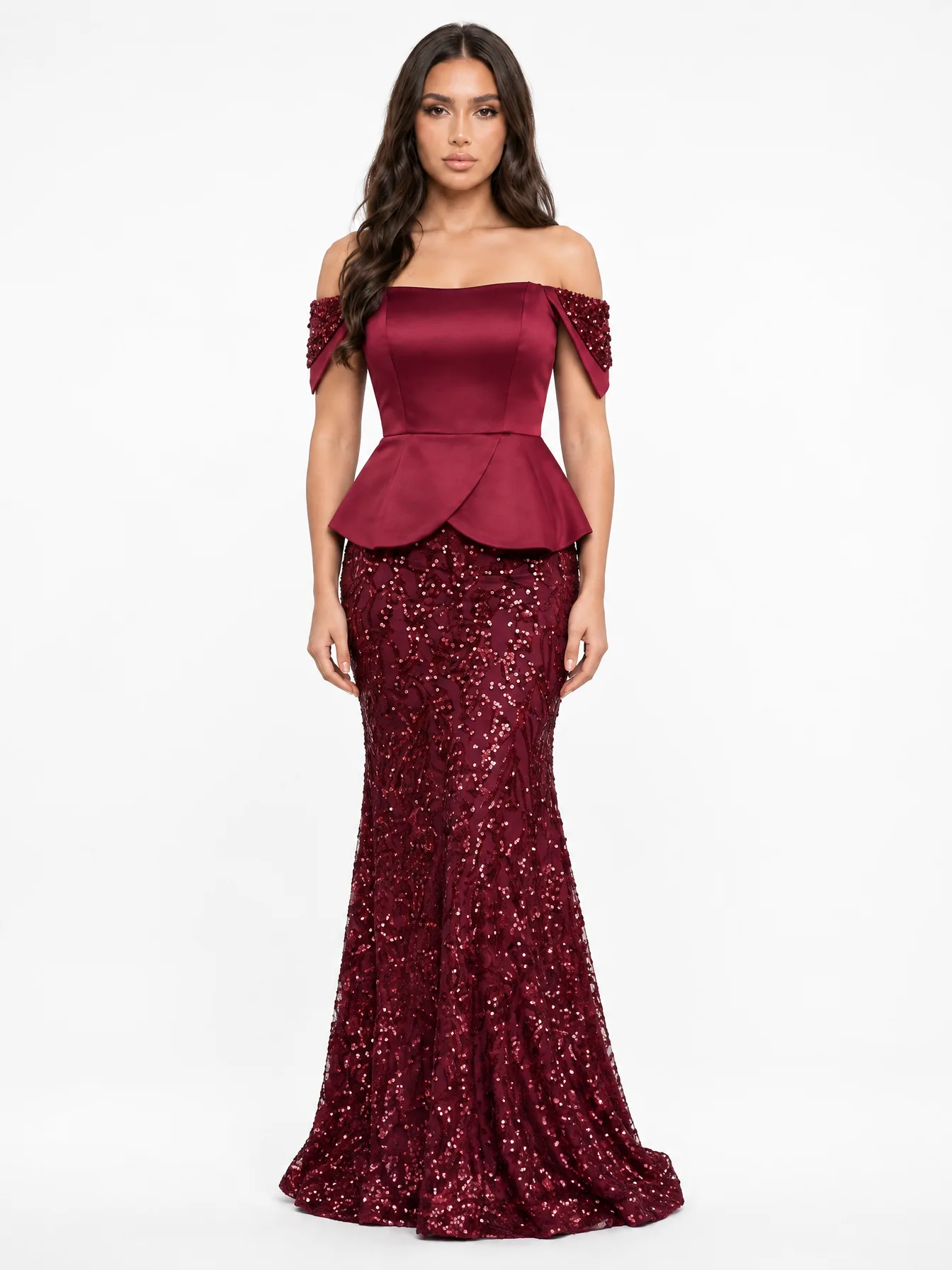
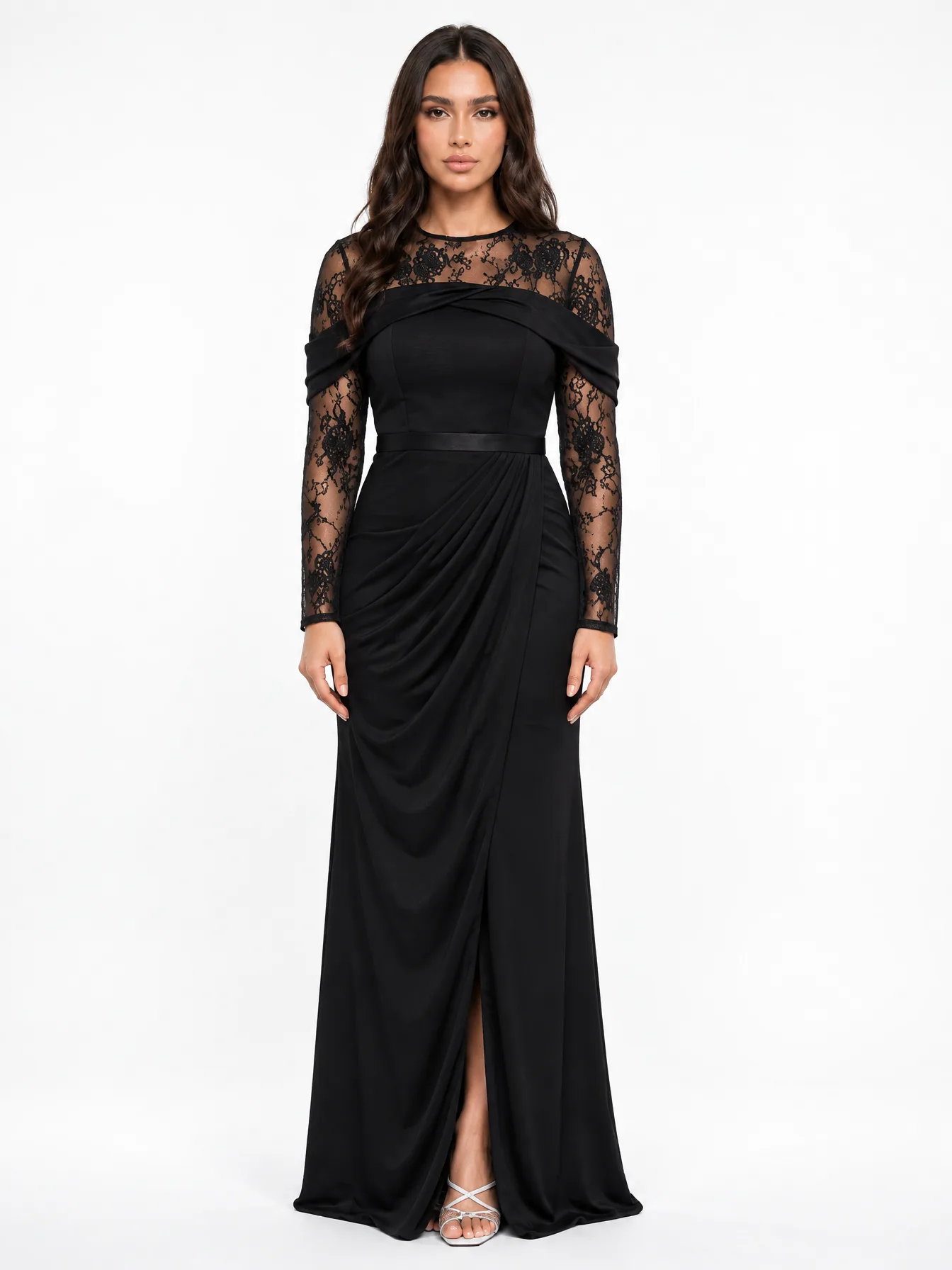
If you do list, invest in the listing itself. Evening wear sells on detail, so use the maximum number of photos each platform allows, including a close-up of the beading, the back of the gown and the lining. Give measurements in centimetres for every size, the fabric content and the length from shoulder to hem. Clear information reduces returns more than any policy, and it helps your gowns stand out beside cheaper listings. Answer customer questions on the listing quickly, too, since unanswered sizing questions quietly cost you sales every week.
What are the risks for an evening-wear boutique?
Marketplaces can bring volume, but evening wear has particular challenges.
- Returns: marketplace customers expect easy returns. A gown worn once and returned, or returned with make-up on the neckline, is a real cost. Our guide to returns and exchanges for UAE boutiques covers what the law requires and what you can set.
- Price comparison: listings sit beside cheaper, lower-quality dresses, and shoppers may not see the difference in hand-beading or lining from a thumbnail.
- Stock: you need to hold the stock, often in the platform's warehouse, in every size you list.
- Brand control: your customer belongs to the platform. You usually cannot follow up, build a relationship or offer alterations advice.
- Margin: commission, fulfilment, returns and advertising together can take a large share of the price.
Many boutiques manage this by listing a limited range on a marketplace, often their best-selling, easiest-fitting styles, while keeping statement gowns and bridal parties on their own channels.

What about selling through your own channels?
For most Gulf evening-wear boutiques, the core of the business is still Instagram, WhatsApp and, increasingly, their own website. These channels let you show the beading in video, answer sizing questions one by one, take bridesmaid group orders and build repeat customers, without paying a commission on every sale. Our guide to selling evening dresses on Instagram and WhatsApp covers how to do it well.
A sensible approach for a growing boutique:
- Build your own channels first, where your margin and your customer relationships are strongest.
- Test one marketplace with a small, well-photographed range of easy-fitting styles.
- Track the true margin after commission, fulfilment and returns for three months before expanding.
- Keep prices consistent across channels, so customers do not feel penalised for buying direct.
Where Lianora fits
Whichever channels you sell through, stock flexibility matters. Lianora supplies Gulf boutiques with evening and bridesmaid dresses from established Turkish ateliers with no minimum order, so you can test a style on one channel before committing: the price per piece steps down at 1, 3, 6 and 10 pieces per colour. Delivery across the UAE and the GCC takes 10–15 days from the confirmed order, with customs duties and taxes paid by Lianora. Read ordering and payment, or browse the evening dresses.
Questions
How much commission does Noon take on fashion?
Third-party calculators put Noon's fashion referral fee at around 12–15% for items fulfilled by Noon, with other guides quoting up to 27% for some categories. Check the current figure in the Noon Partners portal.
Do I need a trade licence to sell on Amazon.ae?
Yes. Marketplaces in the UAE check that your business is licensed for e-commerce, and usually ask for VAT registration and a business bank account.
Is Namshi good for selling evening dresses?
It is the most fashion-focused of the three, which suits evening wear, but Namshi assesses brand fit and expects ready-to-ship stock and easy returns. Test it with a small range first.
Sources
- Ecom Calc Tools: Noon fee calculator UAE 2026
- Amazon Seller Forums: Fulfilment by merchant fee (UAE referral fee thread)
- Amazon Global Selling: Middle East pricing
- ChannelEngine: Namshi marketplace guide
- ChannelEngine: Sell on Namshi
- Streamoid: Namshi seller guide
- Business Dubai: Selling on Noon and Amazon.ae in 2026 — what the UAE requires